Do the World Cup’s pricey tickets reflect US market rates and stop scalpers, as FIFA says?
Reflect US Market Rates and Scalper Tactics? Do the World Cup s pricey - The 2026 FIFA World Cup, co-hosted by Mexico, Canada, and the United States, has

Do the World Cup’s Pricey Tickets Reflect US Market Rates and Scalper Tactics?
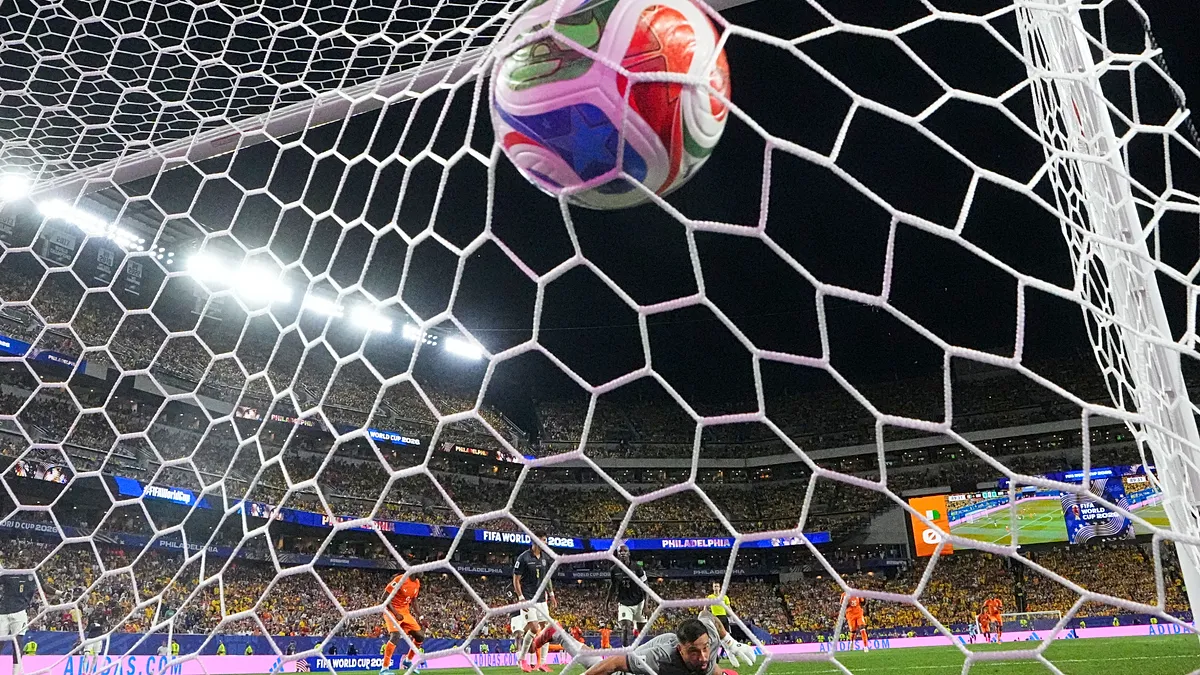
Poinews.com – The 2026 FIFA World Cup, co-hosted by Mexico, Canada, and the United States, has drawn intense scrutiny over its ticket pricing. Critics question whether the exorbitant costs reflect US market rates or if FIFA’s pricing strategy is primarily aimed at curbing scalper activity. Group-stage tickets began at $140 (€121), while the category 1 final in New Jersey reached $32,970 by May—prices far exceeding previous World Cups. This raises the central issue: do the World Cup’s pricey tickets accurately mirror US market expectations or are they a tool to control secondary market profiteering?
Dynamic Pricing and Market Forces
FIFA’s decision to adopt dynamic pricing for the 2026 tournament aligns with the US sports market’s evolution. Since 2009, sports leagues like the NFL and NBA have used variable pricing to reflect demand, a model now applied to international events. While the 2018 Russia World Cup featured category 1 tickets priced at $1,100 and Qatar’s equivalent at $1,607, the 2026 edition has pushed prices to unprecedented levels. Infantino, FIFA’s president, argues that these rates are shaped by market forces, citing the United States as a global leader in entertainment-driven economies.
Dynamic pricing has created a stark contrast between ticket availability and affordability. For instance, the New Jersey final’s category 1 ticket soared to $32,970, surpassing the Super Bowl’s typical $3,300. This discrepancy highlights how FIFA’s pricing model interacts with the US’s competitive entertainment landscape. However, the challenge lies in whether such high prices are justifiable or if they signal a disconnect between the tournament’s value and the broader public’s ability to access it.
Scalper Strategies and Ticket Distribution
FIFA’s pricing approach includes a dual strategy: setting high initial prices while allocating 130,000 tickets to national federations at $60 to ensure regular fans can afford them. This method aims to balance profitability with accessibility. Infantino has defended the plan, asserting that market-driven pricing, bolstered by expert consultations, ensures fairness. Yet, the resale market has shown that even with lower base prices, scalpers can inflate costs dramatically, with the final’s tickets reaching $2 million in secondary sales.
Analysts suggest that FIFA’s pricing model may inadvertently benefit scalpers. By anchoring prices at a certain level, the organization leaves room for resellers to capitalize on demand. For example, the Super Bowl’s average ticket price is $3,300, but scalpers can sell similar seats for up to $10,000. This raises doubts about whether the World Cup’s pricey tickets are truly reflective of market rates or if they serve as a catalyst for scalper profits.
Comparisons to US Sports Events
Supporters of FIFA’s pricing strategy point to US sports events as evidence of market-driven rates. The World Series, for instance, averages $350–$400 per ticket, while NFL playoffs range from $230 to $450. However, these figures pale in comparison to the World Cup’s pricey tickets, which have reached $32,970 for a single match. Critics argue that the World Cup’s scale and global appeal justify higher prices, but others question whether the tournament’s audience is as homogeneous as US sports fans.
Simon Chadwick, a professor at Emlyon Business School, highlights the fundamental differences between the World Cup and US sports. While the latter is a franchise-based model, the former involves entire nations, attracting a diverse demographic. This broader audience, including economically disadvantaged groups, may not align with the pricing expectations of US markets. Chadwick’s critique underscores the need for a more nuanced analysis of how the World Cup’s pricey tickets impact different fan segments.
Additionally, the tournament’s extended duration—spanning a month of matches—adds complexity to its pricing. Unlike US playoffs, which are concentrated in a few weeks, the World Cup’s group stages require sustained ticket sales, influencing overall revenue. While FIFA claims this structure reflects market dynamics, some argue that it creates an uneven playing field for fans, with early buyers paying significantly less than those who purchase later.
Challenges in Market Alignment
FIFA’s pricing strategy has been criticized for not fully accounting for regional disparities within the US. For example, tickets in New Jersey cost $32,970, while those in less economically developed areas may be priced lower. This variation raises questions about whether the World Cup’s pricey tickets are uniformly reflective of US market rates or if they are tailored to high-traffic cities. Infantino’s defense that the US is the most advanced market in entertainment may hold true, but it overlooks the financial strain on fans in lower-income regions.
Moreover, the tournament’s global nature complicates local market comparisons. While the US has a robust entertainment economy, other host nations may not match its pricing power. This means that the World Cup’s pricey tickets might be more aligned with US standards than with the overall global market. As such, the debate over whether the World Cup’s pricing reflects US rates is intertwined with the tournament’s broader economic impact and its role in shaping global sports markets.