The world’s most beautiful airports 2026 list has been revealed – and only one is in Europe
The 2026 World’s Most Beautiful Airports List Revealed – Only One in Europe The world s most beautiful airports 2026 - As the aviation industry continues to

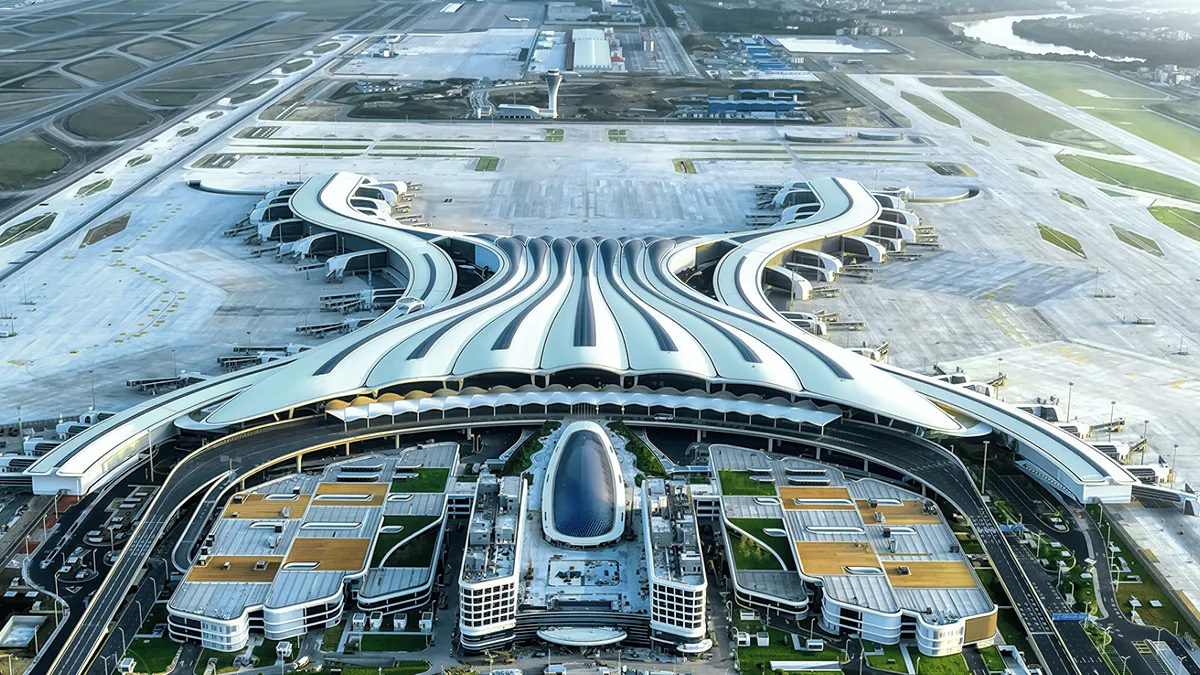
The 2026 World’s Most Beautiful Airports List Revealed – Only One in Europe
Poinews.com – As the aviation industry continues to evolve, the concept of beautiful airports has taken center stage, redefining how travelers perceive their time in transit. The world’s most beautiful airports have become not just functional hubs but architectural landmarks that blend innovation with elegance. The 2026 list, curated by Prix Versailles, highlights seven terminals that stand out for their unique designs, creating immersive environments that reflect the cultures and landscapes of their host cities. While the majority of the featured airports are located in Asia, the Middle East, and the Americas, only one European terminal made the cut, marking a significant moment in the continent’s aviation heritage.
A Global Showcase of Architectural Innovation
Prix Versailles, known for its annual awards recognizing visionary architecture, has once again set the standard for beauty and functionality in air travel. This year’s selection emphasizes how airports are transforming into spaces that prioritize both efficiency and aesthetic appeal. The winning designs often incorporate sustainable materials, smart technology, and artistic installations, offering passengers a seamless blend of modern convenience and visual splendor. These terminals are more than just places to board flights—they are destinations that inspire, comfort, and elevate the overall travel experience.
“Airports are no longer just gateways to destinations; they are experiences in themselves. Design plays a crucial role in shaping how travelers interact with their surroundings, even in the most transient moments,” said Jérôme Gouadain, Secretary General of Prix Versailles.
The organization’s focus on the world’s most beautiful airports underscores a growing trend where airports are designed to mirror the vibrancy of urban centers. From the intricate glass facades of Tokyo’s Haneda Airport to the lush tropical gardens of Singapore’s Changi, each terminal tells a story of its location while pushing the boundaries of design excellence. The 2026 list also highlights the importance of accessibility and comfort, with spaces that cater to diverse needs and preferences.
Frankfurt’s Terminal 3: A European Gem
Frankfurt Airport’s Terminal 3, the sole European entry on this year’s list, has captured attention for its ambitious scale and artistic vision. Opened in April 2026, this terminal spans 1.3 square kilometers—roughly the size of Frankfurt’s historic city center—and is designed to handle up to 25 million passengers annually after its planned expansion to Pier K. Its architecture, led by German designer Christoph Mäckler, merges urban aesthetics with cutting-edge infrastructure, creating a space that feels both familiar and futuristic.
The terminal’s design features expansive open spaces, natural light, and materials like Jura limestone and travertine, which evoke a sense of warmth and connection to the surrounding environment. A standout element is the trio of disc-shaped sculptures by Julius von Bismark, which rotate in vibrant hues of orange, red, and yellow. These installations not only add visual interest but also symbolize the dynamic energy of modern air travel. The terminal’s layout is carefully crafted to minimize congestion and streamline movement, ensuring that beauty and efficiency coexist seamlessly.
Designing for the Future of Travel
While the other airports on the list are celebrated for their distinctiveness, Frankfurt’s Terminal 3 exemplifies how design can enhance the overall travel journey. The terminal’s integration of public art, green spaces, and smart technology reflects a broader shift in the industry toward creating environments that prioritize passenger well-being. This approach aligns with the increasing demand for airports that not only serve as transit points but also as cultural and social landmarks. By blending functionality with artistic expression, these terminals set a new benchmark for the world’s most beautiful airports in the 21st century.
Travelers can now enjoy a more immersive experience, with amenities such as rooftop gardens, art galleries, and interactive digital displays. These features are not just for show—they are part of a strategic effort to improve passenger satisfaction and encourage longer stays. As the aviation sector continues to grow, the design of the world’s most beautiful airports will play a pivotal role in shaping the future of air travel, making it more than just a necessity but an enjoyable part of the journey.