What to know about the life-threatening meat allergy caused by tick bites
Alpha-Gal Syndrome: A Unique Allergy Triggered by Tick Bites What to know about the life - Ticks, commonly associated with spreading infections like Lyme

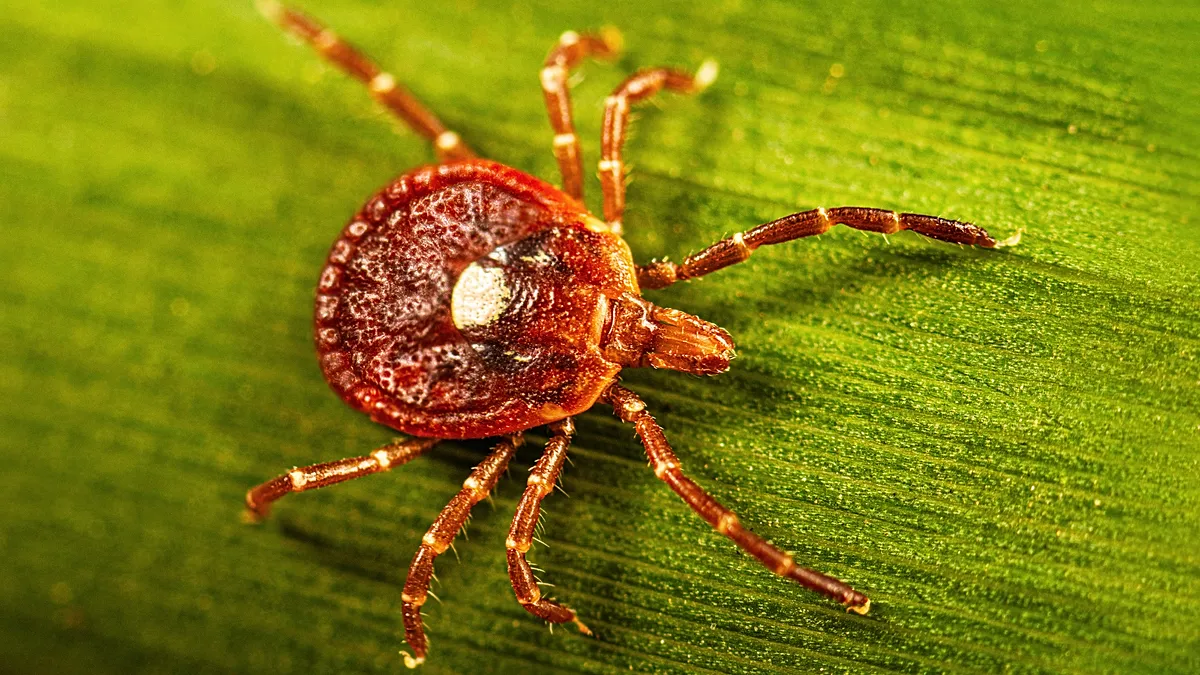
Alpha-Gal Syndrome: A Unique Allergy Triggered by Tick Bites
Poinews.com – Ticks, commonly associated with spreading infections like Lyme disease and tick-borne encephalitis, have a less recognized but potentially severe role in causing an unusual condition known as alpha-gal syndrome. This meat allergy, which can be life-threatening, was first identified around 15 years ago and is now gaining more attention as cases increase.
The Link Between Ticks and Allergic Reactions
Unlike typical bacterial or viral infections, alpha-gal syndrome arises from an immune system reaction to a sugar molecule called alpha-gal. This compound is present in the meat of mammals such as cows, pigs, and sheep, but not in humans or other primates. It is also found in the saliva of certain ticks, including the Lone Star tick, which is prevalent in North America.
When ticks inject alpha-gal into the bloodstream through a bite, the body begins producing antibodies to fight it. These antibodies can later trigger an allergic response upon consuming mammalian meat, leading to symptoms ranging from mild rashes to severe anaphylaxis.
“If this all happened orally, and we were eating alpha-gal like we do with steaks or barbecue, then we wouldn’t become allergic,” said Dr Scott Commins, an alpha-gal syndrome researcher at the University of North Carolina.
Delayed Symptoms and Diagnostic Challenges
One distinctive aspect of the condition is the delayed onset of symptoms, which may not appear until several hours after eating meat. This delay complicates diagnosis, as patients might not immediately connect their allergic reactions to food consumption.
Dr Marianne van Hage, a professor at Karolinska Institutet in Sweden, noted: “The patient may have had meat in the evening and then woken up at night with severe symptoms. This makes it difficult, for both the patient and doctor, to link the allergic reaction to something that was ingested hours before.”
Diagnosis and Long-Term Management
Alpha-gal syndrome is typically diagnosed through a blood test that detects the presence of IgE antibodies. However, experts caution that the test alone isn’t sufficient for a definitive diagnosis. “The blood test in and of itself is great, but you can’t rely on that just for diagnosis. You need the actual symptoms too,” Commins emphasized.
Some patients experience a reduction in symptoms over time, with about 15% to 20% of cases showing improvement after years. Despite this, avoiding further tick bites remains critical to preventing the allergy from returning.
While the Lone Star tick is the primary vector, other species such as Ixodes ricinus, found in Europe, can also contribute to the syndrome, though less commonly. As awareness grows, more people are recognizing the connection between tick bites and meat-related allergies, leading to an uptick in reported cases.