Delays to UK’s Houses of Parliament renovation could add £420 million to bill
Could Add £420 Million to Bill Delays to UK s Houses of Parliament - Delays to UK's Houses of Parliament have significantly impacted the projected budget of

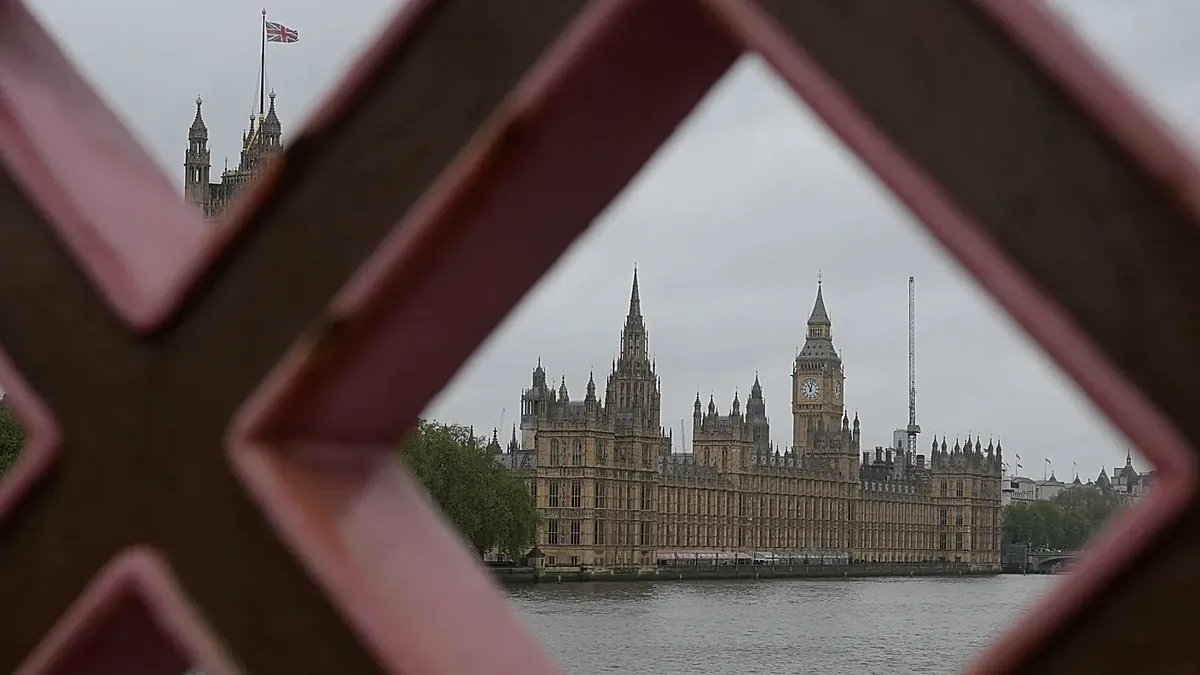
Delays to UK’s Houses of Parliament Renovation Could Add £420 Million to Bill
Poinews.com – Delays to UK’s Houses of Parliament have significantly impacted the projected budget of the historic building’s ongoing restoration. The National Audit Office (NAO) has raised concerns that pushing back the renovation could add up to £420 million to the final cost. This landmark structure, a UNESCO World Heritage Site, has faced prolonged setbacks due to budgetary constraints and logistical complexities. The original plan, which had been in development for over a decade, remains incomplete as Parliament grapples with the need to balance modernization efforts with financial prudence.
The Financial Burden of Procrastination
The financial implications of delays to UK’s Houses of Parliament are becoming increasingly clear. The NAO has warned that each year of postponement risks adding between £320 million and £420 million to the project’s total expenses. This is due to the compounding costs of maintaining aging infrastructure while awaiting long-term solutions. The Palace of Westminster, already burdened by outdated systems such as failing mechanical and electrical networks, fire safety risks, and asbestos, now faces the prospect of even higher maintenance costs if delays persist.
“Parliament currently spends around £1.5 million weekly on maintenance and refurbishment,” the NAO highlighted. “This underscores the critical need to address structural issues before they escalate, as delays to UK’s Houses of Parliament threaten to make the situation even more costly.”
As the project progresses, the decision to delay has sparked debates about the best path forward. A parliamentary committee has proposed multiple scenarios, including a phased approach spanning 38 to 61 years with a budget of up to £39.2 billion. Alternatively, a full decant plan—where both Houses temporarily relocate—could take 19 to 24 years at a cost of £15.6 billion. These options reflect the complexity of balancing immediate needs with long-term investments. By mid-2030, MPs and peers are set to decide which route to pursue, with one less conventional plan allowing for an 84-year timeline to complete the work.
Historical Context and Project Scope
Delays to UK’s Houses of Parliament are not unprecedented, but the current situation has drawn more attention than ever. The building, constructed in the 19th century, has long required upgrades to meet modern standards. Past efforts, such as the £80 million project to restore the Great Clock in 2022, have shown that even smaller initiatives can be expensive. Now, with the broader renovation aiming to transform the entire complex, the stakes are higher. The initial seven-year phase of the project is budgeted at up to £3 billion, yet delays to UK’s Houses of Parliament may force further adjustments to this timeline.
The restoration effort is part of a larger commitment to ensure the Palace of Westminster remains functional for future generations. With delays to UK’s Houses of Parliament stretching into years, there is growing pressure to streamline the process. However, the need for careful planning persists, as hasty decisions could lead to more costly complications down the line. The committee’s scenarios highlight the trade-offs between speed and sustainability, emphasizing the importance of strategic planning in such a high-profile project.
Political and public interest in the Houses of Parliament’s renovation has intensified in recent months. The iconic building, which has hosted centuries of British history, is now at the center of discussions about its future. Delays to UK’s Houses of Parliament have raised questions about the government’s ability to manage large-scale projects efficiently. Meanwhile, the NAO’s warnings serve as a reminder that procrastination in this context could have far-reaching financial consequences. As the deadline approaches, the decision on the renovation’s direction will be pivotal in shaping the project’s outcome.
Global Implications and Stakeholder Concerns
The challenges faced by the Houses of Parliament’s renovation are part of a broader trend affecting major infrastructure projects worldwide. Delays to UK’s Houses of Parliament have drawn comparisons to other historic buildings undergoing similar transformations. However, the unique status of the Palace as a UNESCO site adds an extra layer of responsibility. Stakeholders, including members of Parliament, historians, and the public, are closely monitoring the situation, as the building’s future reflects not just the nation’s priorities but also its commitment to preserving cultural heritage.
While the financial impact of delays to UK’s Houses of Parliament is a primary concern, the project’s success also depends on technical and logistical coordination. Relocating both Houses to temporary accommodations for extended periods presents significant challenges, from ensuring seamless legislative operations to managing public perception. The proposed scenarios aim to mitigate these risks by offering structured timelines and phased budgets. Yet, without consensus, the delay could continue, further straining resources and complicating the restoration process.