Germany turns on Brussels as Chinese car sales on track to exceed 1m in 2026
Germany turns on Brussels as Chinese carmakers head towards more than one million vehicle sales in Europe in 2026, putting renewed pressure on the EU to

Table of Contents
Germany turns on Brussels as Chinese car sales surge in Europe
Poinews.com – Germany turns on Brussels as Chinese carmakers head towards more than one million vehicle sales in Europe in 2026, putting renewed pressure on the EU to respond. Berlin’s tougher position reflects growing concern over the strain on Germany’s car industry, where restructuring, job cuts and lower-priced competition are reshaping the market.
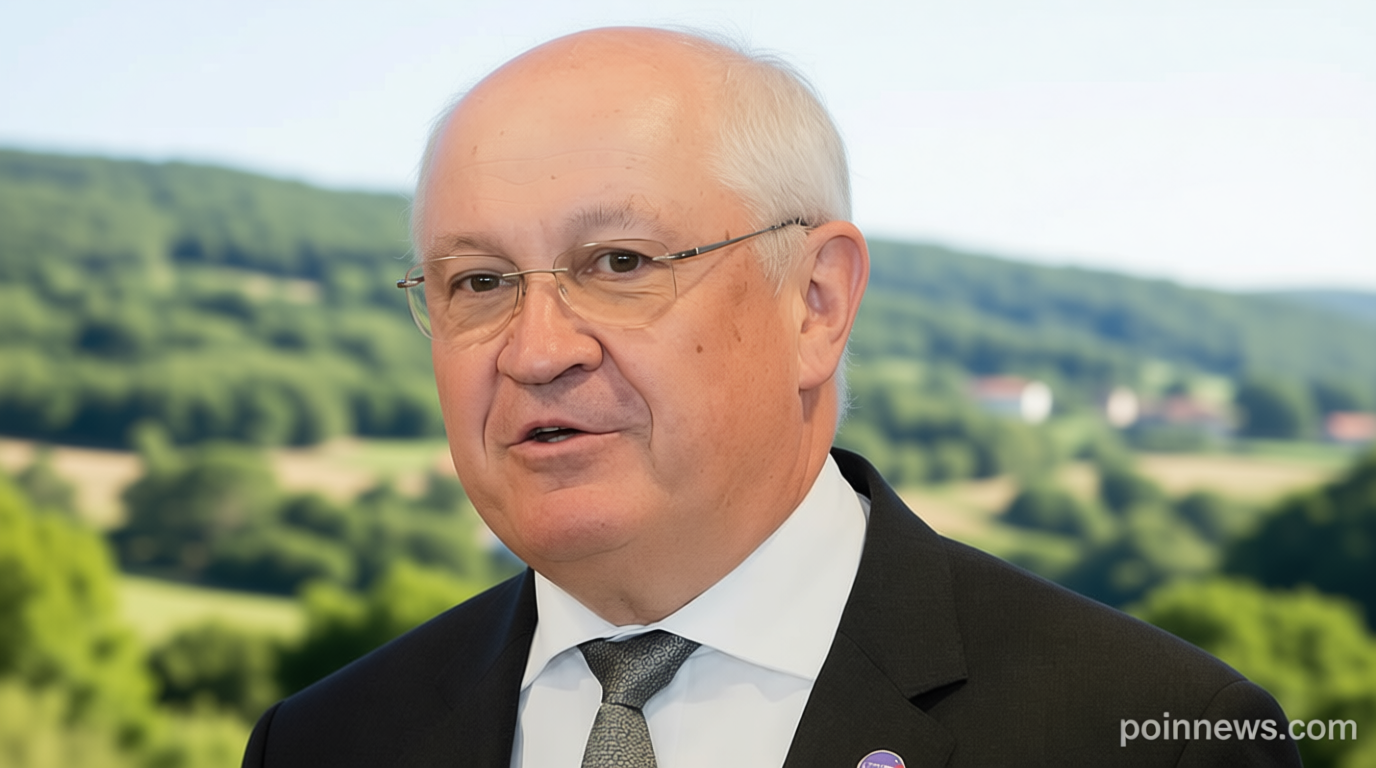
Finance Minister Lars Klingbeil delivered that message during a visit to Volkswagen’s headquarters, where he met employee representatives and local political figures. He argued that the European Union must take a stronger approach towards China as German manufacturers face increasing pressure both in Europe and in the Chinese market.
“We cannot, when all is said and done, be naive in our dealings with China.”
German car industry faces a difficult transition
Volkswagen, Europe’s largest vehicle manufacturer, is undergoing what it describes as the most severe transformation in its 89-year history. Its planned and cumulative job reductions are nearing 100,000, underlining the scale of the challenge facing the company.
Mercedes-Benz and BMW are also reducing staff while adapting to a changing electric-vehicle market. Chinese competitors have expanded quickly by producing at scale, offering competitive prices and widening their presence across Europe.
Germany turns on Brussels as Chinese brands gain a larger foothold in a sector that remains crucial to employment and regional economies. For workers, unions and local leaders, the future of factories and supply chains has become an increasingly urgent political issue.
Calls for tariffs on Chinese hybrid vehicles
The EU imposed higher duties on battery-electric vehicles made in China in 2024, citing concerns that state support could give Chinese producers an unfair pricing advantage. However, those tariffs do not cover hybrid cars, including plug-in hybrid models.
Berlin wants the EU to examine measures that would close that gap. Klingbeil said Germany would seek concrete action on plug-in hybrids and local-content requirements, which could encourage carmakers selling in Europe to source more components from European suppliers.
Such policies could help protect European parts makers and industrial jobs, but they also raise wider trade questions. European carmakers operate globally and retain major commercial interests in China, making a broader tariff strategy politically and economically complex.
Daniela Cavallo, chair of Volkswagen’s supervisory board and a leading labour representative, joined Klingbeil in supporting tariffs on Chinese hybrid vehicles.
“We find ourselves in enormously tough, difficult and unfair competition with China.”
Chinese brands approach one million European sales
Chinese carmakers have expanded rapidly in Europe. Five years ago, they sold about 66,000 vehicles in a European new-car market of more than 11 million units. At that point, their presence was relatively limited.
By 2023, Chinese marques accounted for around 3% of European sales. Their market share rose to 6.1% in 2025 and reached 9.2% in the first six months of 2026. In some individual months, Chinese producers have outsold established brands including Ford, Audi and Mercedes-Benz.
Germany turns on Brussels as Chinese sales momentum makes the one-million-vehicle threshold in Europe increasingly likely in 2026. Plug-in hybrids have helped drive that growth because they remain outside the EU’s existing tariffs on China-made battery-electric vehicles.
FAQ: What does Germany’s stance mean for drivers?
Could tariffs make Chinese cars more expensive in Germany?
Potential new EU measures could affect prices if they are extended to Chinese-made hybrid and plug-in hybrid vehicles. No such expansion has been confirmed, so the immediate effect on buyers remains uncertain.
Why are plug-in hybrids central to the debate?
Current EU duties target battery-electric vehicles built in China, while plug-in hybrids are not covered. German officials believe this difference may allow Chinese manufacturers to increase sales in a category outside the existing trade restrictions.
Will local-content rules affect European suppliers?
Local-content requirements could encourage manufacturers to buy more components from suppliers based in Europe. Supporters say this may help preserve industrial capacity and jobs, although the precise design and impact of any future rules would depend on EU decisions.