EU car industry clashes over strategy to fight Chinese competitors
Counter Chinese Competition EU car industry clashes over strategy - The European automotive sector is showing signs of division as it debates the

EU Car Industry Disagreement on Strategy to Counter Chinese Competition
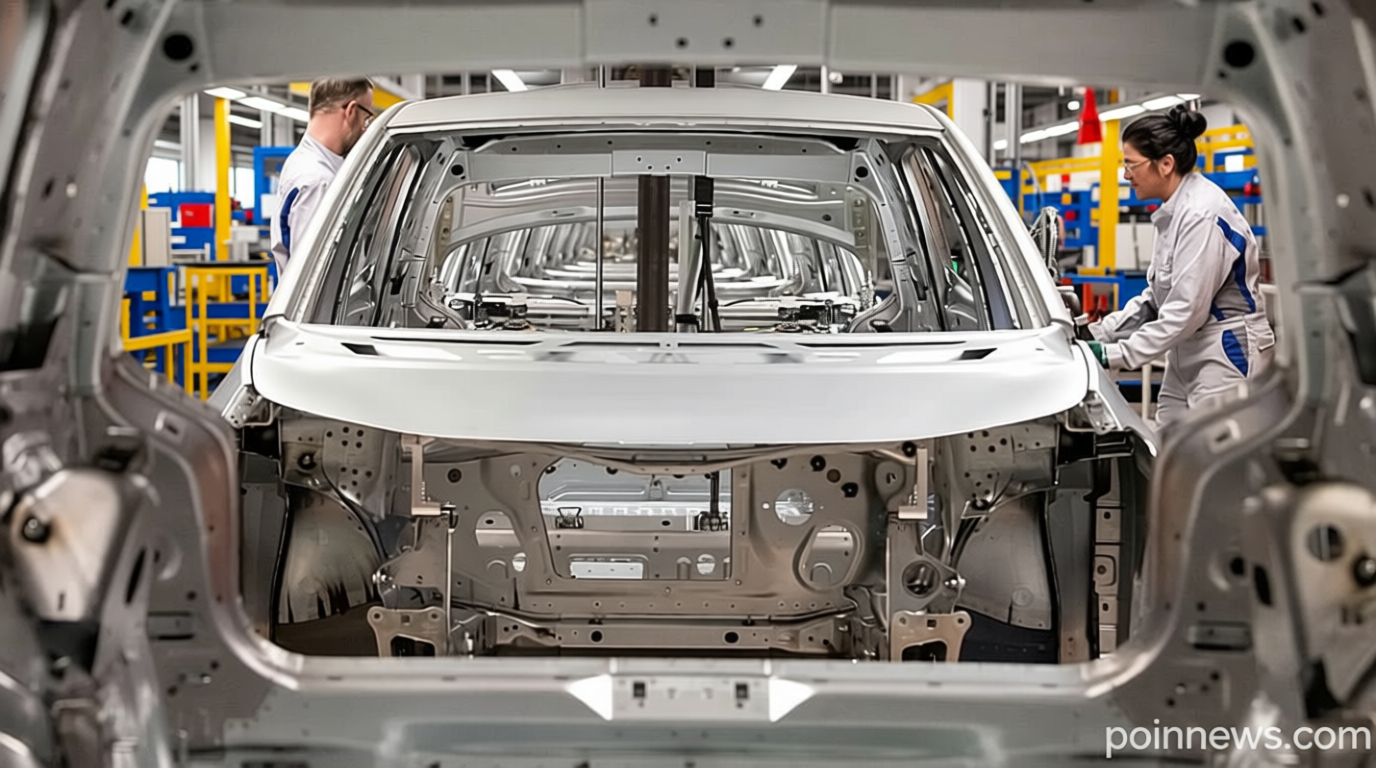
Poinews.com – The European automotive sector is showing signs of division as it debates the effectiveness of Brussels’ “Made in Europe” initiative. This plan aims to protect the EU market from the growing influence of Chinese automakers, which are challenging local industries and risking hundreds of thousands of jobs across the bloc.
Proposed Legislation Sparks Debate
To strengthen the EU’s position, officials are drafting the Industrial Accelerator Act. The law would prioritize electric vehicles with high European component content in public contracts and funding programs. However, the 70% local content requirement has triggered disagreements among stakeholders.
Support for Component-Level Approach
The European Association of Automotive Suppliers (CLEPA) applauds the Commission’s proposal, citing a Roland Berger study that reveals European-made plug-in hybrids and battery-electric vehicles already use 80% to 90% EU components. They argue the 70% threshold is realistic and would preserve current manufacturing jobs.
“A vehicle is far more than the sum of its parts. Its value also lies in the R&D, advanced engineering and highly skilled workforce behind it,”
ACEA emphasized in a July 1 report, advocating for a shift in focus to finished vehicles rather than individual parts. They claim the component-level method might weaken the policy, allowing more foreign parts in final products.
Industry Fears Job Losses
CLEPA warns that ACEA’s approach could reduce the need for EU components to 50%, with the rest coming from design and research. This, they argue, might lead to 350,000 job losses. “A ‘Made in Europe’ threshold that ignores where the actual parts are built is a label that ignores the European worker,” said Benjamin Krieger, CLEPA’s Secretary General, during an interview with Euronews.
The debate highlights deeper tensions over how to balance innovation with job protection in the face of global competition, particularly from China, which is increasingly dominating the market.