Brussels proposes easing methane penalties after heavy lobbying from industry
es Methane Penalties Amid Industry Lobbying Brussels proposes easing methane penalties after - Brussels proposes easing methane penalties following intense

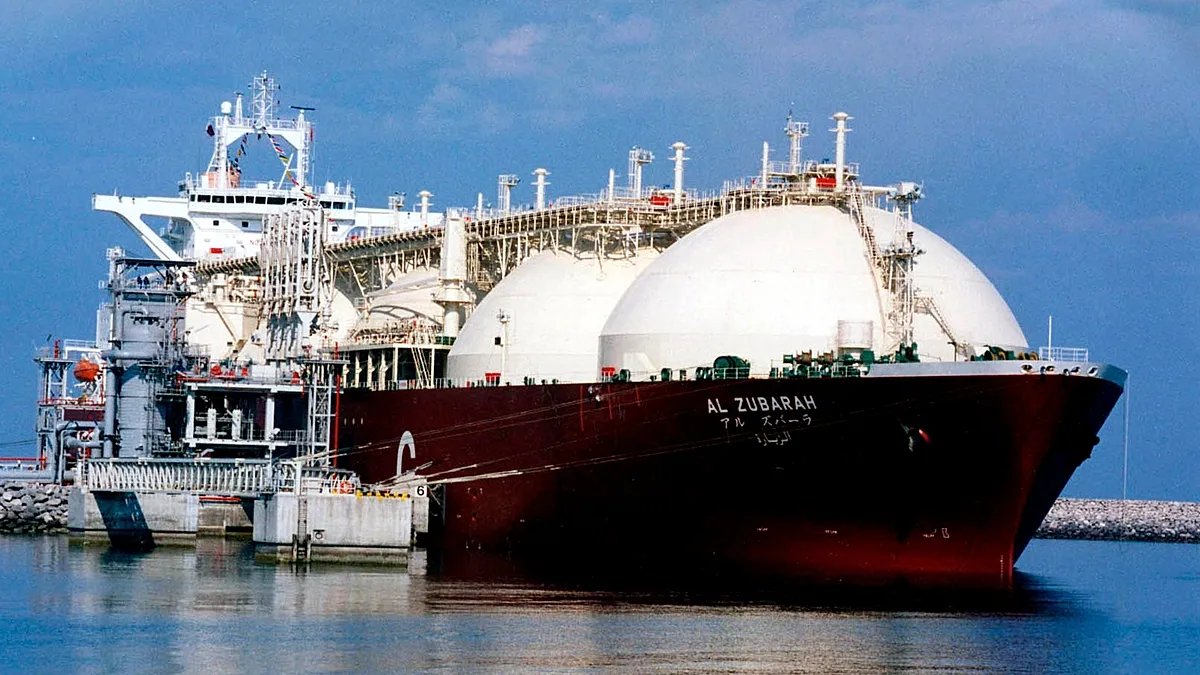
Table of Contents
Brussels Eases Methane Penalties Amid Industry Lobbying
Poinews.com – Brussels proposes easing methane penalties following intense pressure from energy firms and LNG producers. The European Commission has announced plans to temporarily suspend penalties tied to methane regulations for three years, a decision driven by industry concerns over the impact of stringent reporting mandates on their operations. These rules, implemented in May 2024, were designed to track and verify emissions in the energy sector, targeting methane—a potent greenhouse gas with a significant warming effect. While the legislation aimed to bolster climate action, the proposed relief highlights growing tensions between environmental goals and the practical challenges faced by businesses.
Industry Advocacy and Regulatory Shifts
Energy companies, including major players from the United States, Qatar, Algeria, and Nigeria, have been vocal in their campaign to ease the penalties. They argue that the current methane rules could disrupt energy supply chains, particularly as Europe seeks to diversify its energy sources amid geopolitical uncertainties. The Commission’s decision to offer a three-year respite allows these firms to adjust to the new standards without immediate financial strain. However, critics warn that this temporary relief might weaken the EU’s commitment to reducing emissions, especially as methane contributes to nearly a third of global warming in the short term.
The adjusted penalties come as the EU prepares to enforce stricter regulations in 2027. Industry representatives stress that the rules’ complexity could deter investment in cleaner energy alternatives, citing the need for cost-effective compliance measures. A spokesperson for the International Association of Oil and Gas Producers noted that the revised framework would help companies meet their obligations while maintaining reliable energy supplies. This compromise is seen as a way to balance environmental accountability with economic stability, addressing the urgent demands of the energy sector.
Commission Guidance and Contract Clauses
Alongside the penalty adjustments, the European Commission has introduced optional guidance for importers, outlining model clauses to integrate methane rules into contracts. This guidance provides a flexible framework for energy firms to align their operations with the EU’s climate objectives without rigid legal constraints. While the clauses are not binding, they aim to create a standardized approach for tracking emissions, ensuring transparency in the supply chain. The document emphasizes that these measures are intended to support rather than hinder the transition to sustainable energy practices.
Environmental advocates, however, remain skeptical about the effectiveness of the changes. They argue that the temporary suspension of penalties could allow methane-heavy imports to bypass accountability, potentially undermining the EU’s emissions reduction targets. Esther Bollendorff of Climate Action Network Europe warned that the proposal risks creating a gap between the bloc’s climate ambitions and its energy security needs. She called for stricter enforcement to maintain the integrity of the methane regulation framework, which is critical for achieving long-term climate goals.
Global Implications and Policy Challenges
The decision to ease methane penalties has sparked debates about the EU’s leadership in climate action. With global methane emissions continuing to rise, experts stress the importance of maintaining strong regulatory measures to drive meaningful reductions. Maas Goote, a former EU negotiator at UN climate talks, praised the Commission’s “pragmatic approach” but urged for targeted amendments to ensure the rules remain robust. He emphasized that voluntary initiatives alone cannot counteract the urgent need for binding commitments to combat climate change effectively.
As the implementation date approaches, companies are adjusting their strategies to comply with the revised framework. The suspension of penalties is expected to ease short-term pressures, but long-term implications depend on how the EU balances these considerations. Environmental groups urge policymakers to remain vigilant, ensuring that the changes do not compromise the EU’s role as a global leader in reducing greenhouse gas emissions. The outcome of this debate will shape the bloc’s energy policy and its ability to meet climate targets in the years ahead.