Albania assures EU its Kushner-linked tourism project will meet environmental standards
Albania Assures EU on Kushner-Linked Tourism Project EU Scrutiny and Environmental Commitments Albania assures EU its Kushner linked - Albania has officially

Albania Assures EU on Kushner-Linked Tourism Project
EU Scrutiny and Environmental Commitments
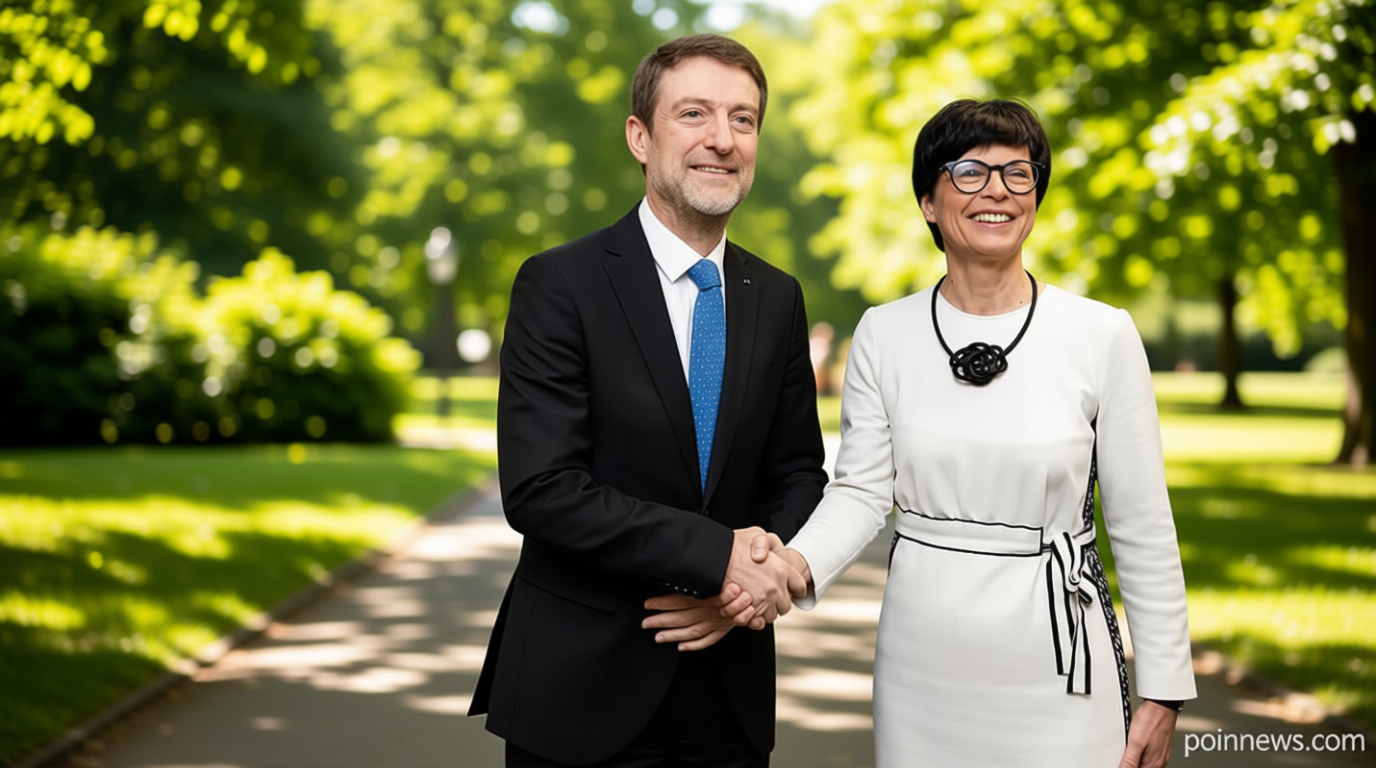
Poinews.com – Albania has officially confirmed to the European Union that its Kushner-linked tourism development will comply with stringent environmental regulations. During a recent press conference, EU enlargement Commissioner Marta Kos emphasized that the project, which is tied to Jared Kushner—the son-in-law of former U.S. President Donald Trump—will undergo a thorough environmental impact assessment.
“Albania’s government has committed to following European environmental standards, ensuring that the project aligns with the EU’s sustainability goals,”
Kos stated, underscoring the country’s dedication to meeting international criteria.
The initiative, estimated to cost over €1.4 billion, has drawn both support and criticism. Proponents argue that it will boost Albania’s economy and create jobs, while environmentalists warn of potential risks to coastal ecosystems. The project’s location near the Adriatic Sea has raised concerns about habitat disruption and pollution. Kos highlighted that the EU is closely monitoring the development, stressing the importance of transparency and adherence to regulations throughout the process.
Political and Environmental Challenges
Albania’s journey toward EU membership has been marked by efforts to balance economic growth with environmental protection. The Kushner-linked project is part of a broader strategy to attract foreign investment and strengthen ties with the EU. However, its approval has sparked public protests, with activists questioning whether the project’s ecological benefits outweigh its drawbacks. Kos acknowledged the debate, noting that such discussions are critical to ensuring that Albania’s development path remains aligned with European values.
Key to the project’s approval was a legislative amendment passed in February 2025, which allows investments exceeding €50 million to bypass certain environmental requirements. This change has been a point of contention among EU officials, who are concerned about the potential for relaxed standards. Yet, Kos defended the amendment, stating,
“Foreign investments are essential for Albania’s progress, and the project will still meet all necessary environmental criteria.”
She added that the EU’s oversight ensures accountability, even as the country navigates its accession process.
Environmental groups have called for more detailed data on the project’s impact. They argue that the current assessments lack specificity regarding biodiversity loss and carbon emissions. Meanwhile, the Albanian government has pledged to publish comprehensive reports and engage with stakeholders to address these concerns. Kos emphasized that the project’s success depends on its ability to demonstrate long-term ecological viability, stating,
“Our commitment to environmental standards is non-negotiable, and we will not compromise on this.”
Broader Implications for EU Accession
The Kushner-linked tourism project serves as a litmus test for Albania’s readiness to join the EU. EU officials have repeatedly highlighted environmental compliance as a cornerstone of the accession process, requiring candidate nations to demonstrate adherence to European norms. Kos pointed out that the project’s progress will influence the EU’s overall assessment of Albania’s political and economic stability.
“This project reflects Albania’s ability to integrate into the EU’s environmental framework while driving economic development.”
As Albania continues its membership negotiations, the success of the Kushner-linked initiative will be closely watched. The EU has also raised concerns about the project’s potential to set a precedent for other developments in the Western Balkans. Kos noted that the EU is encouraging other candidate countries to adopt similar measures, ensuring that environmental protection remains a priority. The project’s completion could mark a significant step forward in Albania’s bid for EU membership, provided it meets all regulatory benchmarks.
Despite the controversies, the Albanian government maintains that the project will contribute to the country’s infrastructure and tourism sectors. Kos highlighted that the development is designed to include renewable energy sources and eco-friendly practices. “We are not just building a resort,” she said, “but a model for sustainable growth.” The EU has expressed cautious optimism, acknowledging the project’s potential while urging continued monitoring to safeguard environmental integrity.