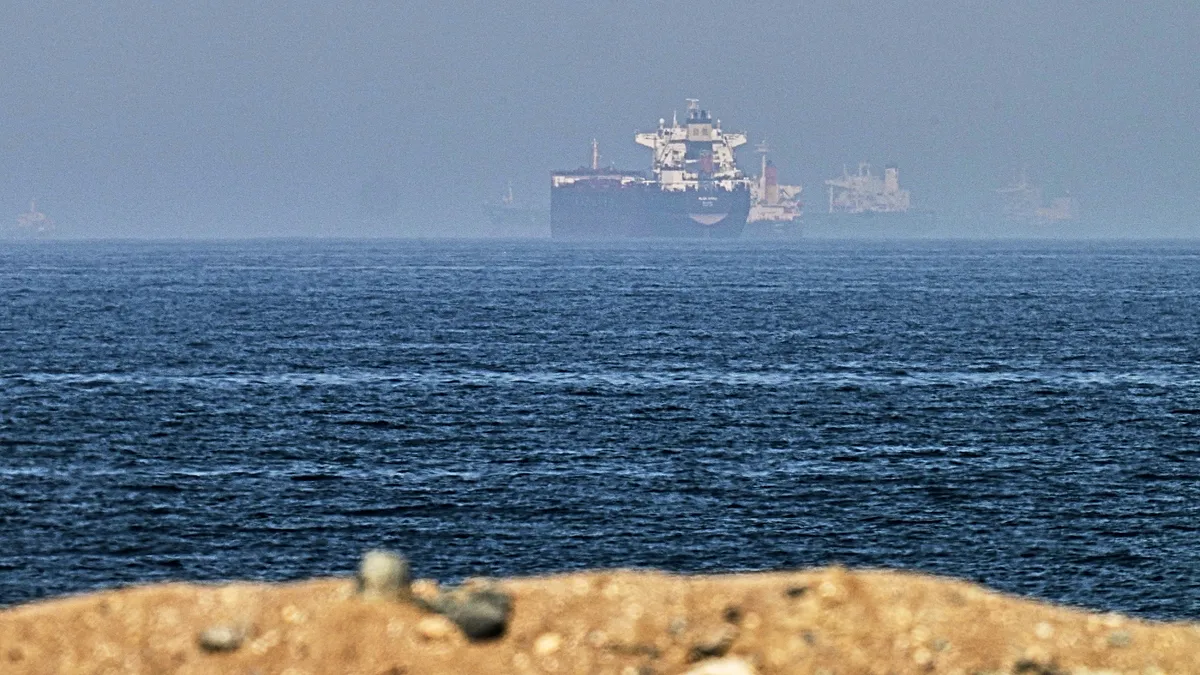
Spain’s renewables revolution is paying off: Electricity bills are lower despite energy crisis
lution Lowers Electricity Bills Amid Energy Crisis Spain s renewables revolution is paying - Spain’s renewables revolution is paying off, with electricity

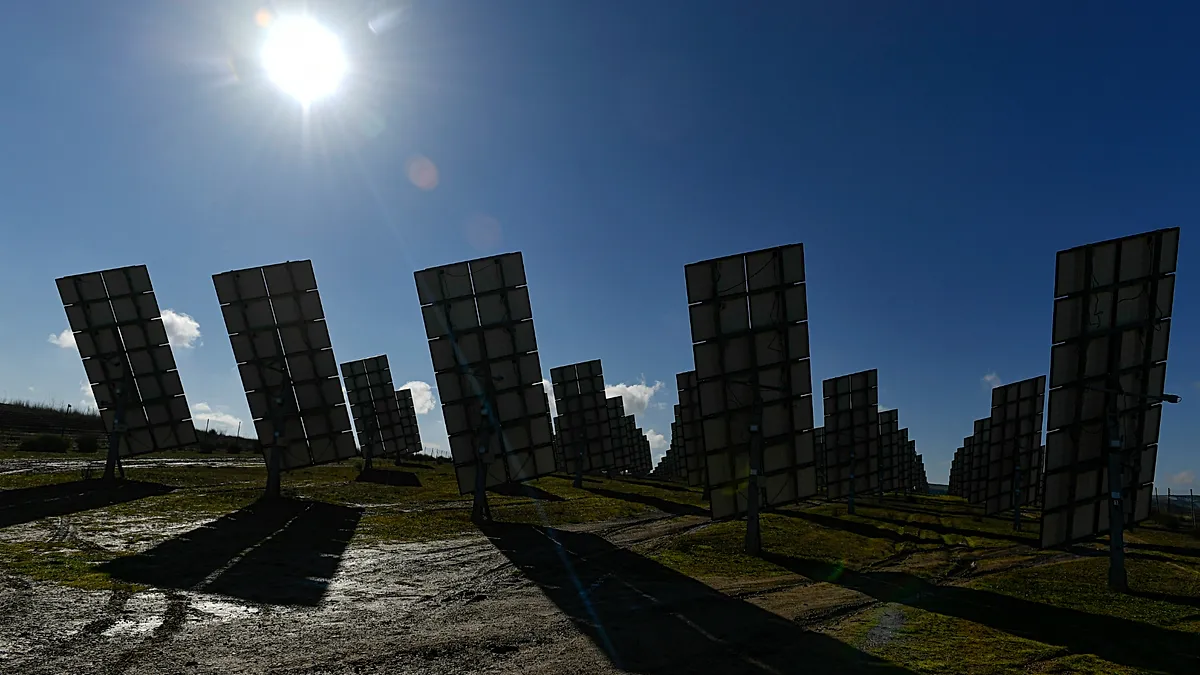
Spain’s Renewables Revolution Lowers Electricity Bills Amid Energy Crisis
Poinews.com – Spain’s renewables revolution is paying off, with electricity bills now lower than before the energy crisis. Despite the global surge in energy prices driven by geopolitical tensions, Spain has emerged as a leader in affordable power generation. Recent data shows that households have saved around €10 monthly on energy expenses since March, when the Hormuz Strait became a critical point of disruption. This trend is largely due to Spain’s rapid expansion of wind and solar energy, which has reduced reliance on fossil fuels and stabilized pricing for consumers.
Renewables Reduce Fossil Fuel Dependence
According to Ember, an independent energy research group, renewable sources now supply over 75% of Spain’s electricity, drastically cutting gas’s influence on power costs. In 2021, gas accounted for 52% of energy pricing hours, but by 2026, its share had dropped to just 9%. The country’s 37% increase in wind and solar capacity between 2021 and 2025 has been a key driver of this transformation. Spain’s grid now operates with such efficiency that, for the first time in a decade, coal-fired power was not needed in August 2025, a milestone in its clean energy journey.
“Spain’s renewables revolution is paying off by shielding consumers from the volatility of global energy markets,” says Chris Rosslowe, who authored the Ember report. “With renewables dominating the supply, the country has maintained low power prices even as gas and oil prices soar.”
Spain’s progress has positioned it as a model for other European nations. Since 2019, the country has nearly doubled its renewable energy infrastructure, adding over 40 gigawatts of capacity—a feat matched only by Germany in the EU. This growth has not only lowered costs but also enhanced energy security. By diversifying its sources, Spain has reduced the risk of price shocks, ensuring a more stable and predictable energy landscape for both households and businesses.
Blackout Reveals Grid Resilience
Spain’s commitment to renewables was tested in April 2025 when a nationwide blackout left millions without power. The incident highlighted vulnerabilities in the energy system but also demonstrated the country’s ability to adapt. While voltage fluctuations caused the outage, the government swiftly responded by upgrading the grid to a “reinforced mode,” which improved stability. This proactive approach shows that Spain’s renewable transition is not just about cost savings but also about building a resilient energy infrastructure.
Spain’s shift toward renewables has also influenced tax policies. Between March and May 2026, temporary reductions in electricity taxes saved households approximately €8 per month, easing financial pressure. In contrast, many European countries still impose over 28% in taxes and levies on energy bills, as noted by the International Energy Agency. Spain’s tax structure, which has historically placed renewables at a competitive advantage, now stands as a testament to the long-term benefits of sustainable energy policies.
The European Union as a whole has faced significant challenges due to rising fossil fuel imports since the Iran war began. Spain, however, has taken a different path. While the EU’s energy costs have increased by €60 billion, Spain’s focus on electrification has kept its bills manageable. Alice Moscovici from the Jacques Delors Institute emphasizes that only 5% of this total has been invested in electrification, underscoring the need for continued government support. Meanwhile, Spain’s renewable energy strategy has shielded consumers from the 60% price hike in EU gas, with oil firms gaining €81.4 million daily in profits.
Long-Term Economic and Environmental Gains
Spain’s renewables revolution is not just about immediate cost savings but also about long-term economic and environmental benefits. By investing in wind and solar, the country has reduced its carbon footprint and created jobs in the green energy sector. The transition has also lowered energy imports, improving trade balances and reducing exposure to global market fluctuations. As the International Energy Agency highlights, Spain’s progress in this area could serve as a blueprint for other nations seeking to balance affordability with sustainability.
With electricity bills now at record lows, the benefits of Spain’s renewable energy push are becoming increasingly evident. The country’s aggressive policies and infrastructure investments have positioned it as a leader in the European energy market. As the renewable sector continues to grow, Spain is likely to maintain its competitive edge, offering consumers not just lower bills but also a cleaner, more sustainable future. This success story underscores the importance of renewable energy in addressing both economic and environmental challenges in the energy sector.