US launches fresh strikes on Iran after ships attacked in Strait of Hormuz
US Launches Fresh Strikes on Iran in Response to Strait of Hormuz Attacks US launches fresh strikes on Iran - On the morning of July 8, 2026, the United

US Launches Fresh Strikes on Iran in Response to Strait of Hormuz Attacks
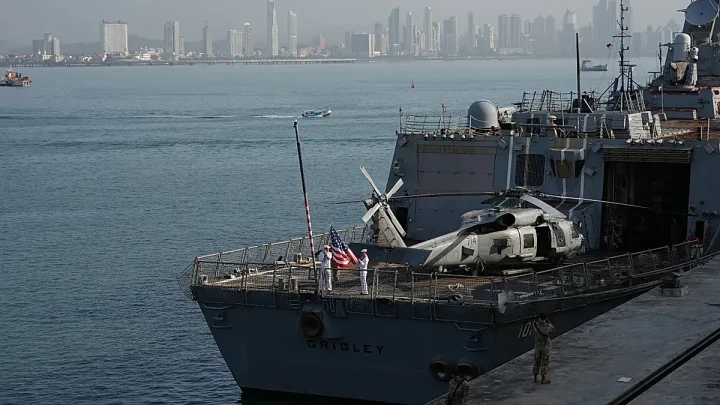
Poinews.com – On the morning of July 8, 2026, the United States carried out a series of targeted airstrikes against Iran, marking a significant escalation in tensions between the two nations. The operation, led by US Central Command, aimed to strike over 80 critical military and infrastructure targets across Iran, including command centers, radar stations, and missile facilities. This decisive military action followed Iran’s recent attacks on three commercial ships in the Strait of Hormuz, a vital chokepoint for global oil transportation, which had already sparked international alarm. The US move was framed as a direct retaliation, signaling its resolve to protect critical supply lines and deter further aggression.
Strategic Targets and Regional Security Concerns
The strikes were meticulously planned to disrupt Iran’s ability to coordinate attacks on international shipping. US officials emphasized that the operation targeted key components of Iran’s defense network, including its coastal radar systems and anti-ship missile capabilities, which had been used in previous assaults on vessels passing through the Strait of Hormuz. Additionally, more than 60 small boats associated with the Islamic Revolutionary Guard Corps were neutralized in and around the strait, underscoring the US effort to cripple Iran’s rapid response forces. The timing of the strikes, during President Donald Trump’s participation in a NATO summit in Turkey, highlighted the broader geopolitical ramifications of the conflict.
Bahrain, which hosts the US Navy’s 5th Fleet, immediately raised its missile alert level after the strikes, reflecting the region’s heightened vulnerability to Iranian aggression. Kuwait’s military also confirmed that its air defenses were engaged in intercepting incoming threats, though the exact origin of the strikes remained unclear. These reactions underscore the interconnected nature of Middle Eastern security, where the US’s military action against Iran has ripple effects across allied nations and critical trade routes.
Iran’s Response and Escalation Warnings
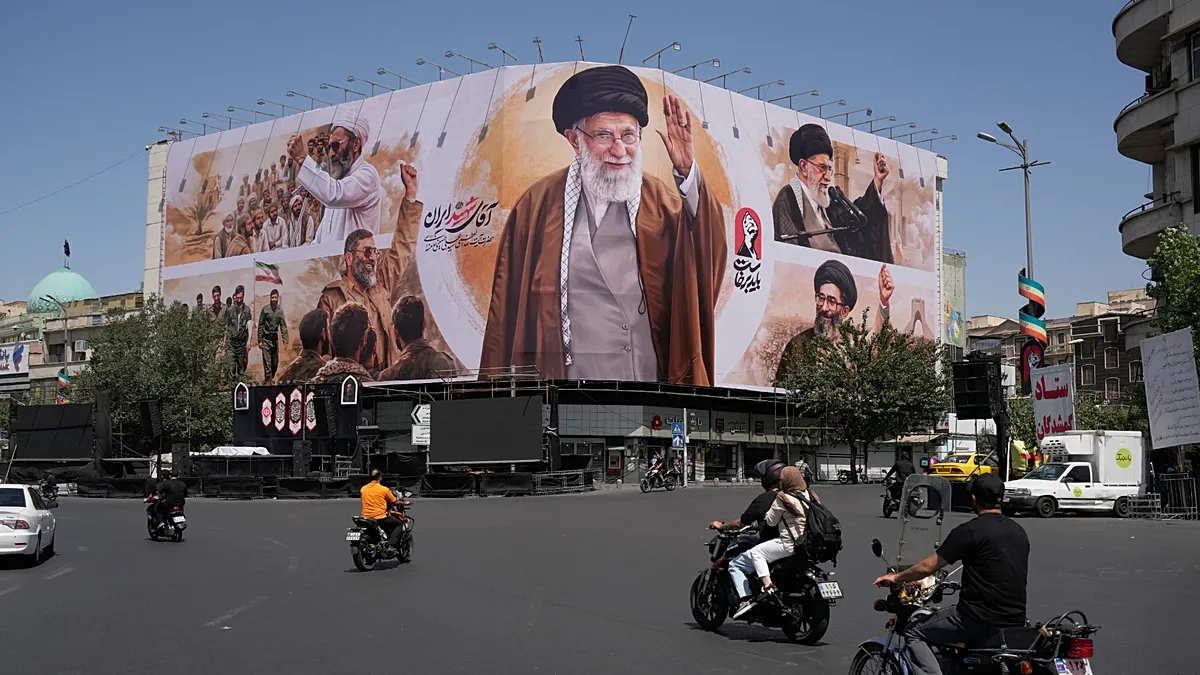
Iran swiftly denounced the US airstrikes, accusing Washington of escalating the conflict and undermining diplomatic efforts. State media reported that explosions occurred in Bandar Abbas, Qeshm, and Sirik, with officials vowing to “respond decisively to this aggression and terrorist act.” The Iranian foreign ministry reiterated its frustration with the US, which it claimed had repeatedly violated the terms of the interim agreement on oil exports. “The era of bullying and extortion is over,” stated Iran’s Parliament Speaker Mohammad Bagher Ghalibaf, who emphasized the nation’s determination to protect its sovereignty and maritime interests.
“We don’t fold,” Ghalibaf added, noting that the current situation would not lead to capitulation. “Iran will take whatever measures it deems necessary to defend its rights and interests.”
The US’s fresh strikes on Iran came as a stark reminder of the volatile nature of the region’s power dynamics. With the Strait of Hormuz witnessing a series of attacks on commercial vessels, the US sought to send a clear message to Iran that it would not tolerate disruptions to global energy markets. The strikes, however, also raised concerns about the potential for a larger conflict, particularly given Iran’s warnings of retaliatory measures. Analysts warned that the US’s military response could either de-escalate tensions or trigger a prolonged confrontation, depending on the speed and scale of Iran’s counteraction.
Geopolitical Ramifications and Economic Leverage
The US’s decision to launch fresh strikes on Iran was not only a military maneuver but also a calculated economic move. In addition to the airstrikes, the US revoked a license that had allowed the sale of Iranian oil under the interim agreement, effectively cutting off a key revenue stream for Tehran. This dual strategy of military and economic pressure was designed to weaken Iran’s financial capacity and its ability to sustain its aggressive actions in the region. The move also sent a signal to other countries, such as Saudi Arabia and Israel, that the US would support allies against Iranian threats in the Gulf.
One of the affected tankers caught fire off Oman’s coast after being struck, while two others sustained damage but continued their journey through the Strait of Hormuz, according to the UK’s Maritime Trade Operations center. Although no crew members were reported as casualties, the incidents highlighted the vulnerability of international maritime routes to Iranian attacks. The US Central Command reiterated that the strikes were intended to “impose heavy costs for targeting and attacking commercial shipping crewed by innocent civilians in an international waterway,” a statement that underscored the strategic importance of the region and the US’s commitment to its allies.
As the dust settles from the US’s fresh strikes on Iran, the geopolitical landscape of the Middle East continues to shift. The attacks on the Strait of Hormuz have intensified the rivalry between the US and Iran, with both sides preparing for potential escalations. While the US seeks to deter further aggression, Iran remains steadfast in its warnings, positioning itself as a key player in the region’s security dynamics. The outcome of this confrontation will likely shape future policies and alliances, with the global community closely watching for signs of prolonged conflict or a diplomatic resolution.