Coral reefs are bleaching in extreme heat. Could underwater umbrellas save them?
Coral reefs are bleaching in extreme heat, prompting scientists in the Florida Keys to test an unusual emergency measure: floating, umbrella-like shades

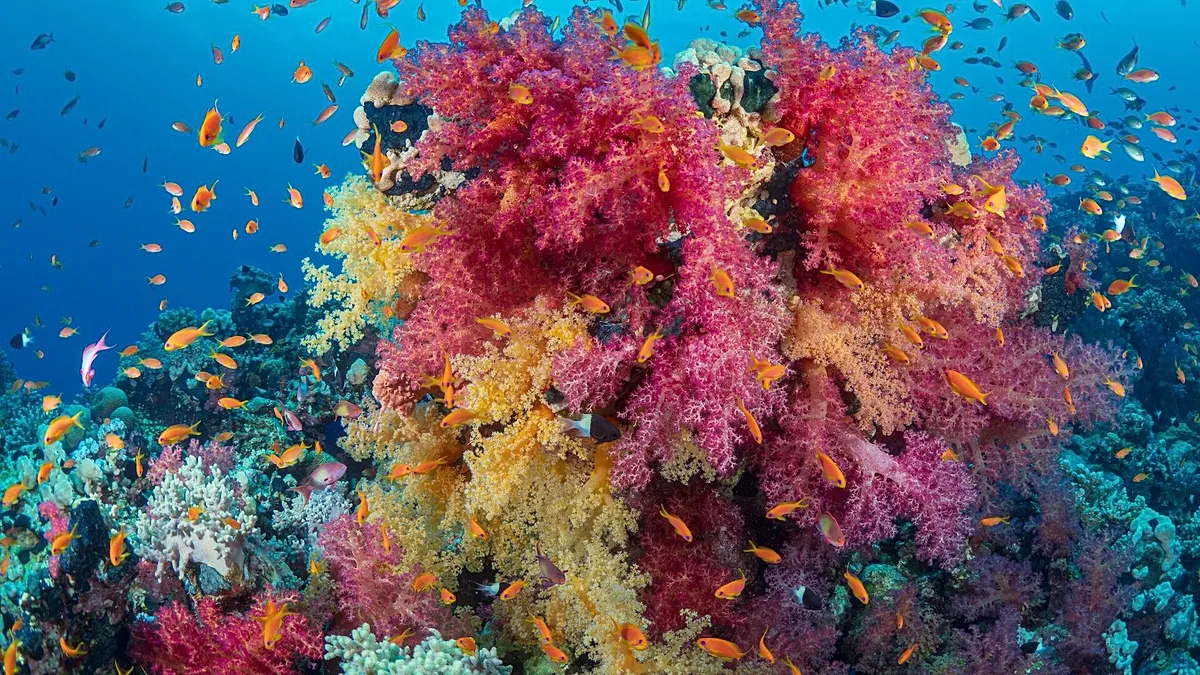
Table of Contents
Could underwater umbrellas protect Florida’s bleaching coral reefs?
Poinews.com – Coral reefs are bleaching in extreme heat, prompting scientists in the Florida Keys to test an unusual emergency measure: floating, umbrella-like shades placed above vulnerable colonies.
The structures cannot cool the sea or protect an entire reef. But by reducing intense sunlight and ultraviolet exposure, they may offer selected corals temporary relief when unusually warm water puts them at risk.
Why heat causes coral bleaching
When corals experience prolonged heat stress, they can expel the microscopic algae that live in their tissues. These algae provide much of a coral’s energy and give it colour. Without them, corals turn pale or white and can die if damaging conditions persist.
Coral reefs are bleaching in extreme heat more often as marine heatwaves intensify. In the Florida Keys, a severe 2023 heatwave caused widespread bleaching at monitored sites, with branching species such as staghorn and elkhorn corals suffering particularly serious losses.
At one nearshore site, more than half of observed corals lost some or all living tissue. The scale of that damage led researchers to consider rapid, targeted tools for protecting especially valuable colonies during future heat emergencies.
“Heat-related coral bleaching is probably the biggest threat to reefs worldwide,” says Karen Neely of Nova Southeastern University, lead author of research published in Frontiers in Marine Science. “Solutions like shading can offer temporary protection on small scales.”
Testing shades above brain corals
In summer 2024, researchers selected 40 colonies from two brain coral species in the lower Florida Keys. Twenty remained uncovered, while 20 were fitted with floating shades made from PVC frames and nylon mesh, suspended about 30 centimetres above the corals.
Divers began observing the colonies in July and installed the shades in August as conditions worsened. Monitoring continued through November, tracking visible colour changes and the health of algae within the coral tissue.
The experiment did not remove the main threat: warm seawater. Instead, the shades reduced an additional source of stress. Strong sunlight can worsen bleaching in already overheated corals, so limiting light exposure may help colonies cope during the most dangerous part of a heatwave.
Despite severe conditions in 2024, some shaded corals began recovering colour after installation, while uncovered colonies became paler during the hottest period. The site recorded its second-highest heat-stress level since records there began in 1985.
A targeted conservation tool, not a climate solution
Coral reefs are bleaching in extreme heat across vast areas, making underwater umbrellas impractical for whole reef systems. The approach may instead be useful for coral nurseries, restoration projects, rare colonies and sites where conservation teams must focus limited resources.
“Scaling is the big limitation of this study,” Neely explains. “Shading is not a cure-all.”
Long-term reef protection still depends on limiting ocean warming. Global sea-surface temperatures outside polar regions reached 21.1°C on 22 August, the highest daily average recorded. Repeated heatwaves also leave corals less time to recover their energy reserves and living tissue between bleaching events.
The Global Coral Reef Monitoring Network said in August that bleaching now tends to occur every five to six years, compared with roughly once a decade in the past. Corals can recover after water cools, but only if damaging heat does not return too soon.
Florida Keys coral bleaching: practical FAQ
Can underwater umbrellas save an entire reef? No. They are designed for small-scale protection of selected colonies, not for covering large reef areas.
Do the shades lower water temperature? No. Their role is to reduce sunlight and ultraviolet stress while corals are exposed to unusually warm water.
Where could this method help most? In the Florida Keys and similar locations, it could help protect nursery corals, restoration sites and rare or high-value colonies during severe marine heatwaves.
Related Reading
Frequently Asked Questions
What is Coral reefs are bleaching in extreme?
Coral reefs are bleaching in extreme is the main topic of this guide. The article explains the context, practical details, and next steps readers should understand.
Why does Coral reefs are bleaching in extreme matter?
Coral reefs are bleaching in extreme matters because readers are looking for a useful answer, not just a short summary. Good content should match search intent and help them decide what to do next.