Nobel Prize 2026 kicks off: Who will win the medicine award?
The Nobel Prize season begins in Stockholm on 5 October, with the Karolinska Institute set to reveal this year’s recipient of the Nobel Prize in Physiology or

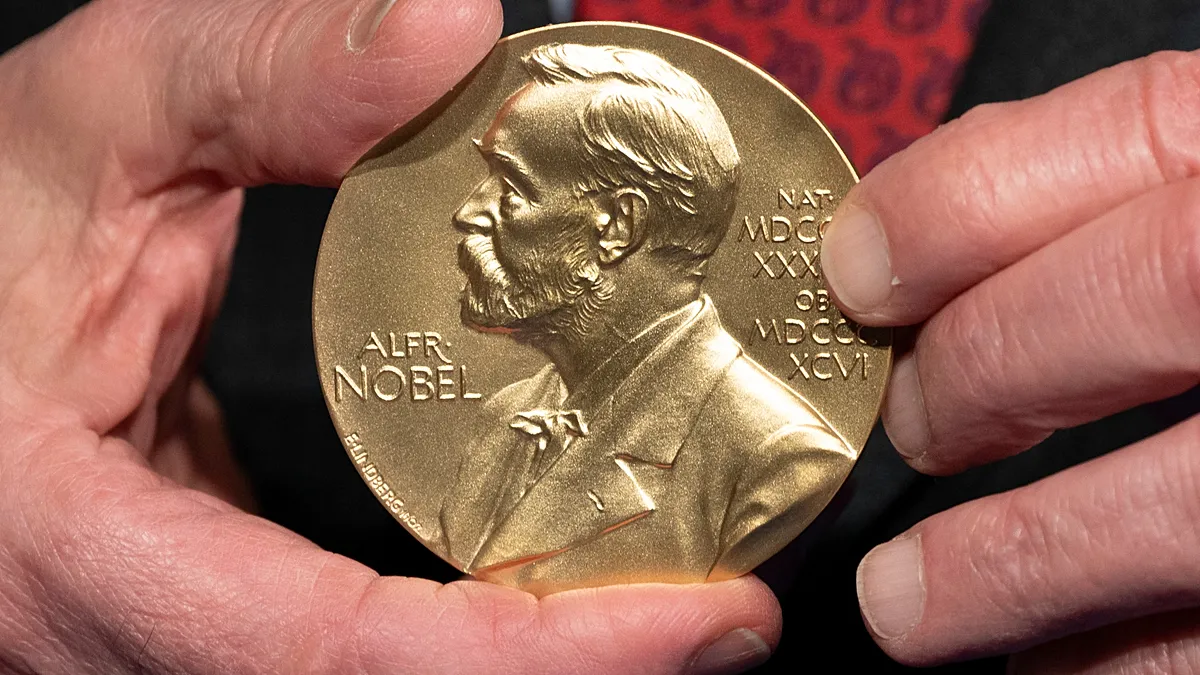
Table of Contents
Medicine Nobel Opens the 2026 Prize Announcements
Poinews.com – The Nobel Prize season begins in Stockholm on 5 October, with the Karolinska Institute set to reveal this year’s recipient of the Nobel Prize in Physiology or Medicine. The announcement is expected no earlier than 11:10 CEST and will begin a week of closely watched decisions across the Nobel disciplines.
As is customary, the identity of those considered for the medicine prize will remain unknown. Nobel nominations are confidential, and the committee does not publicly disclose the candidates under consideration before naming the laureate or laureates. That secrecy helps make the opening announcement one of the most anticipated moments on the scientific calendar.
A prize for discoveries that shape medicine
The medicine award recognises work that has made an exceptional contribution to physiology or medical science. Past prizes have honoured discoveries ranging from fundamental biological processes to advances that transformed diagnosis, treatment and the understanding of disease. The annual decision often draws attention not only to individual researchers, but also to scientific fields whose importance may have built over many years.
Between 1901 and 2025, the Nobel Prize in Physiology or Medicine was awarded 116 times to 232 laureates. The prize can go to one person or be shared among a small group whose work is closely connected. It is one of the original Nobel honours established through the will of Alfred Nobel.
Last year’s medicine prize went jointly to Mary E Brunkow and Fred Ramsdell, two scientists based in the United States, along with Japan’s Shimon Sakaguchi. They were recognised for discoveries involving peripheral immune tolerance, an area of research central to understanding how the immune system avoids attacking the body’s own tissues.
The three were awarded for “their groundbreaking discoveries concerning peripheral immune tolerance that prevents the immune system from harming the body,” the institute said in a statement.
Their findings were seen as especially significant for research into autoimmune illnesses, including Type 1 diabetes, rheumatoid arthritis and lupus. In such conditions, the immune system mistakenly targets healthy cells or tissues. Work on the mechanisms that restrain immune responses can therefore deepen scientific understanding of why these diseases emerge and how future treatments might be developed.
Why the announcement matters
Nobel selections frequently recognise discoveries long after the initial experiments or observations were made. That gap reflects the nature of science: the lasting value of a finding may become clearer only after other researchers have tested it, expanded on it and shown how it changes a wider field.
For readers, the medicine prize is also an opportunity to look beyond a single winner’s name. The announcement typically directs attention to a scientific question with broad relevance, whether it involves immunity, genetics, infection, brain science, cellular biology or another area of human health. The citation released with the prize will explain the committee’s reasoning and place the chosen work in context.
The financial award for 2026 is 12 million Swedish kronor, equivalent to roughly €1.09 million. That amount applies whether the prize is given to an individual, divided among several laureates or, where applicable, awarded to an organisation. While the monetary component is substantial, the Nobel distinction carries an influence that extends well beyond the prize itself, bringing global visibility to the research and institutions involved.
A Full Week of Nobel Decisions
The medicine announcement will be followed by the Nobel Prize in Physics on Tuesday and the chemistry prize on Wednesday. The literature laureate is due to be named on Thursday, while the Nobel Peace Prize will follow on Friday. The final award in the sequence, the Sveriges Riksbank Prize in Economic Sciences in Memory of Alfred Nobel, is scheduled for 12 October.
Although these prizes cover very different fields, their announcements share a common purpose: recognising work that has had a profound impact on knowledge, culture or society. The medicine prize launches that process each year by highlighting research connected directly to human health and the functioning of living systems.
December ceremony in Stockholm
The 2026 laureates will receive their awards on 10 December. The date marks the anniversary of Alfred Nobel’s death in 1896. Nobel, a wealthy Swedish industrialist best known as the inventor of dynamite, created the prizes through his will.
The ceremonies and celebrations in December provide the formal conclusion to the announcement season, but the first major moment arrives in Stockholm today. Until the committee speaks, the medicine prize remains one of science’s best-kept secrets. Once the name or names are revealed, attention will turn quickly to the discovery being honoured and the long path that brought it to Nobel recognition.
Related Reading
Frequently Asked Questions
What is Nobel Prize 2026 kicks off?
Nobel Prize 2026 kicks off is the main topic of this guide. The article explains the context, practical details, and next steps readers should understand.
Why does Nobel Prize 2026 kicks off matter?
Nobel Prize 2026 kicks off matters because readers are looking for a useful answer, not just a short summary. Good content should match search intent and help them decide what to do next.