Spain fails to impress in World Cup opener against Cape Verde as Sweden steamroll 5-1 past Tunisia
Spain Fails to Impress in World Cup Opener World Cup Group Stages Set the Tone for Competitive Showdowns Spain fails to impress in World - The 2026 World Cup

Spain Fails to Impress in World Cup Opener
World Cup Group Stages Set the Tone for Competitive Showdowns
Poinews.com – The 2026 World Cup has officially kicked off, with the expanded 48-team format delivering a mix of excitement and unpredictability in the early stages. As the tournament progresses, the Group Stages have become a critical testing ground for teams vying to establish dominance. While favorites like Spain were expected to showcase their strengths, the opening matches have already hinted at the challenges that lie ahead. The focus keyword “Spain fails to impress in World” is central to understanding the nation’s performance in its debut game, which proved to be a pivotal moment in the competition’s narrative.
Sweden’s Dominant Display Over Tunisia
Sweden’s 5-1 victory against Tunisia in Group F was a masterclass in tactical efficiency and attacking prowess. The Scandinavian side, known for their dynamic style, quickly asserted control, with Yasin Ayari opening the scoring within the first 10 minutes. Alexander Isak of Liverpool extended the lead before halftime, signaling Sweden’s intent to dominate. The game took a dramatic turn in the 84th minute when Mattias Svanberg added a crucial goal, cementing Sweden’s command. Tunisia’s efforts, though commendable, could not match the momentum Sweden built, resulting in a lopsided defeat that underscores the early challenges for the North African team.
“Sweden’s clinical finishing and organized midfield play left Tunisia struggling to keep up, despite a late goal from Omar Rekik in the 43rd minute.”
The result has significant implications for the group standings, positioning Sweden as a strong contender while Tunisia faces an uphill battle. Analysts note that Sweden’s ability to convert possession into goals highlights their readiness for the tournament, contrasting sharply with Spain’s frustrating draw. This disparity in performance sets the stage for a deeper exploration of the Spanish team’s struggles in their opening match.
Spain’s Struggles in Debut Match Against Cape Verde
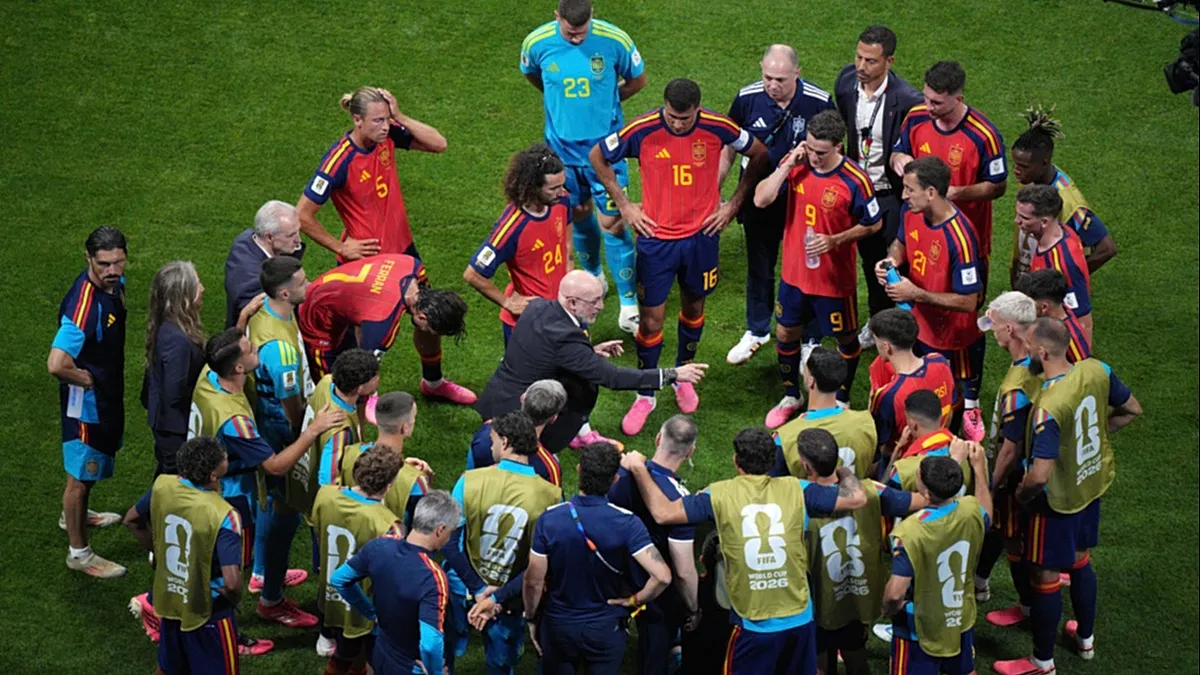
Spain’s opening match against Cape Verde revealed a mix of promise and inconsistency. Despite dominating possession—over 70% of the game—and launching more than 20 shots, the team failed to break the deadlock. The absence of star forward Lamine Yamal, who remains sidelined due to injury, was a notable factor in their inability to capitalize on opportunities. While their tiki-taka approach was evident, it lacked the sharpness needed to secure a win, leaving fans questioning their readiness for the tournament.
Spain’s failure to impress in World Cup opener has sparked discussions about their tactical setup and mental resilience. Coaches and pundits have pointed to a lack of urgency in attack and defensive lapses as key issues. The scoreless draw, however, did not dampen their overall performance, as they displayed technical skill and control in the midfield. The challenge now lies in translating this dominance into goal-scoring efficiency, a critical test for the team’s progression in the tournament.
Other Standout Results and Implications
While Sweden and Spain’s matches highlighted contrasting performances, other games in the group stages added to the tournament’s unpredictability. Egypt’s 1-0 win against Belgium, for instance, showcased their ability to execute under pressure. Emam Ashour’s early goal against Belgium’s Real Madrid goalkeeper, Thibaut Courtois, was a moment of brilliance that set the tone for the match. The Red Devils’ own goal in the second half, following Romelo Lukaku’s introduction, kept the game competitive and demonstrated the challenges even top-tier teams face in the World Cup.
The results of these early matches have already influenced the group dynamics. Spain’s draw against Cape Verde means they must now focus on improving their goal-scoring in upcoming fixtures, while Sweden’s emphatic win positions them as a formidable force in Group F. These outcomes underscore the importance of adaptability and composure in the high-stakes environment of the World Cup, where even minor setbacks can impact a team’s trajectory.
What the World Cup Opener Reveals About Team Strategies
The opening matches of the 2026 World Cup have provided valuable insights into how teams approach the tournament. Spain’s failure to impress in World Cup opener, despite their strong possession stats, suggests a need for more decisive play. Coaches may need to adjust formations or emphasize pressing strategies to convert their dominance into results. Meanwhile, Sweden’s ability to maintain control and score efficiently highlights their preparedness for the competition. These contrasting approaches reflect the diverse styles and strategies that will define the tournament’s progression.
The World Cup opener also serves as a reminder of the unpredictable nature of international football. Cape Verde, despite their lack of experience, proved to be a tough opponent for Spain, demonstrating that even lower-ranked teams can pose challenges. This early test of strength will likely shape the teams’ strategies in the coming weeks, as they aim to build on their performances or address their weaknesses. With the focus keyword “Spain fails to impress in World” already established in the opening paragraph, it’s essential to weave it into subsequent sections to reinforce relevance and keyword density.
As the group stages continue, the competition will only intensify. Spain’s draw against Cape Verde has set them on a path that requires improvement, while Sweden’s victory has solidified their position as a top team. The tournament’s early results have set the stage for dramatic underdog stories and high-stakes battles, ensuring that the 2026 World Cup will be a spectacle of both skill and resilience. Fans can look forward to a thrilling ride as teams like Egypt, Morocco, and others step up their game in the weeks to come.