Tracking chips for palm trees: Seville acts after theft of ten specimens
Seville City Council Installs Tracking Chips to Combat Palm Tree Thefts Tracking chips for palm trees - Seville, Spain, has taken a groundbreaking step in

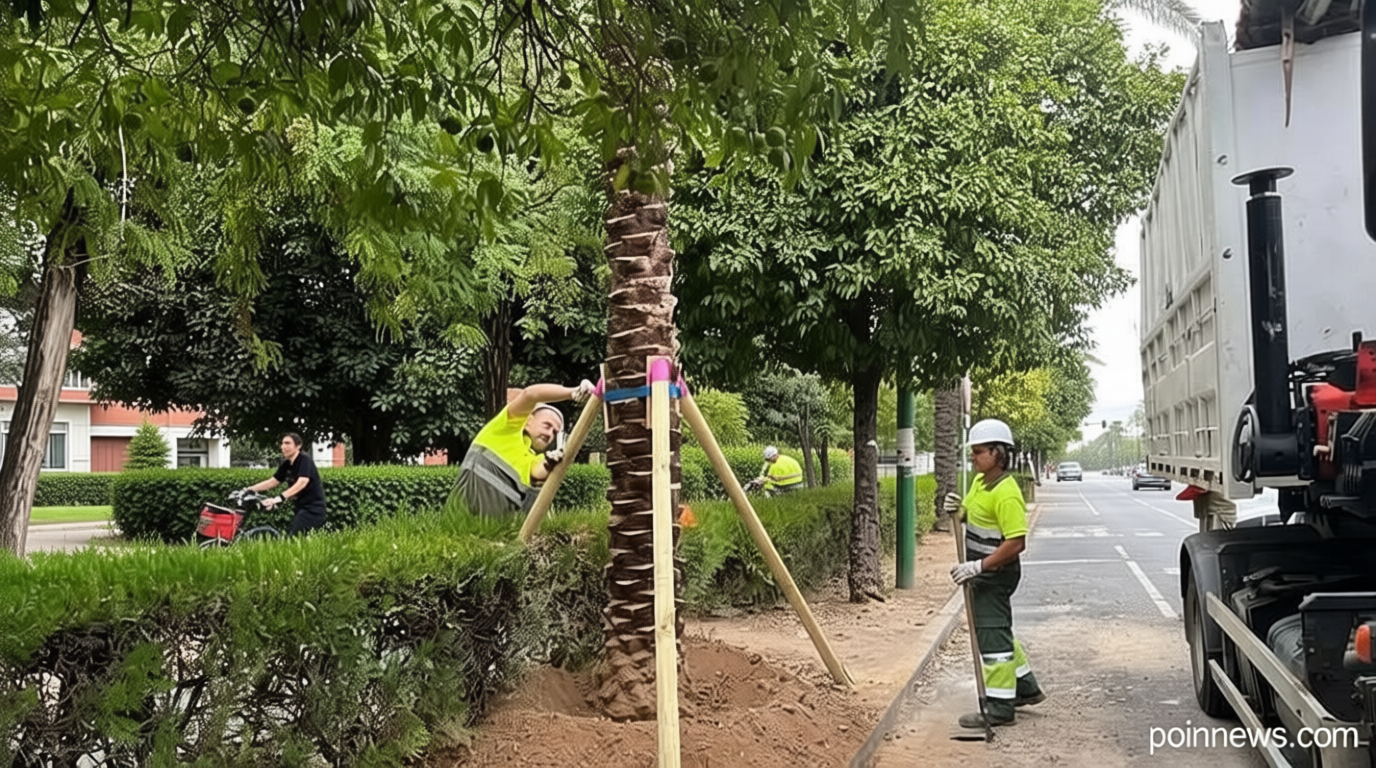
Seville City Council Installs Tracking Chips to Combat Palm Tree Thefts
Poinews.com – Seville, Spain, has taken a groundbreaking step in protecting its urban greenery by implementing a new initiative to track palm trees using advanced technology. After a recent theft of ten Cuban palm trees from Aeronáutica Avenue in Sevilla Este, city officials have decided to install tracking chips on select specimens as a proactive measure to deter future crimes. This innovative approach, which involves embedding small, GPS-enabled devices in the trunks of the trees, aims to create a system that not only helps in recovering stolen plants but also provides real-time data on their movements. The Seville City Council has emphasized that this marks the first time such technology has been used in Spain to monitor public vegetation, highlighting its significance in the broader context of urban conservation efforts.
Theft Incidents and Their Impact
The theft of the ten Cuban palm trees has sparked concern among local authorities and environmental groups. These trees, part of the Arecaceae family, are highly valued for their aesthetic appeal and ecological role in Seville’s urban landscape. Each specimen was estimated to cost approximately 500 euros, covering expenses for purchase, installation, and adaptation to the city’s climate. The loss of these trees has not only incurred financial strain but also raised questions about the security of public green spaces. The Parks and Gardens Department, responsible for maintaining the city’s flora, has been at the forefront of addressing these issues, with city technicians noting that the thefts have highlighted the need for enhanced protective measures.
Investigation into the thefts has advanced with the help of a witness who reported the incident and shared images of a person connected to the crimes. Security cameras in the area also provided evidence linking the suspect to some of the stolen trees. City officials have confirmed that the tracking chips will be instrumental in identifying those responsible, as they will allow for precise monitoring of the trees’ locations. The technology is designed to withstand environmental conditions while transmitting data to a centralized system, enabling rapid response to any unauthorized movement. This initiative is expected to serve as a model for other cities facing similar challenges in preserving their urban vegetation.
Tracking Technology and Its Implementation
The tracking chips for palm trees are small, low-power devices that can be discreetly embedded within the trunk without disrupting the tree’s natural growth. These chips utilize GPS and cellular networks to send updates to the city’s environmental monitoring team, who will analyze the data to detect anomalies. The system is particularly useful for species like the Cuban palm tree, which are both large and heavy, making them difficult to transport without specialized equipment. City technicians have explained that the process of extracting these trees requires careful handling to avoid damage, and the tracking system will help in recovering them swiftly. The implementation of this technology has been met with cautious optimism by experts, who believe it could revolutionize how cities protect their green spaces.
In addition to the palm tree thefts, the council has noted the loss of nearly 100 SunPatiens plants in San Jerónimo Park, causing a financial loss of almost 400 euros. These incidents have underscored the growing threat to public vegetation, prompting the city to explore a more comprehensive approach to security. The Parks and Gardens Department has stated that the tracking system will be expanded to cover other high-value plants, ensuring a more robust defense against thefts. While the initial focus is on palm trees, officials have hinted at future plans to integrate similar technology into other urban areas, such as parks and botanical gardens. This strategy not only addresses immediate concerns but also aims to create a long-term solution for safeguarding the city’s biodiversity.
Community Response and Future Steps
Residents of Seville have responded positively to the council’s initiative, with many praising the innovative use of technology to protect their city’s natural heritage. Local environmental advocates have also expressed support, emphasizing the importance of preserving green spaces for both ecological and cultural reasons. The theft of the Cuban palm trees, which are native to the region, has been described as a symbolic loss, as these trees are often considered iconic elements of Seville’s landscape. City officials have reassured the public that the tracking system will be complemented by increased patrols and community engagement programs to raise awareness about the value of urban vegetation.
As the investigation into the thefts continues, the National Police is working closely with the city’s environmental team to gather more evidence. The tracking chips, which were installed after the theft, have already proven to be a valuable tool in tracing the movements of the stolen specimens. With the data collected from the chips, authorities hope to identify patterns in the thefts and take preventive measures to avoid future incidents. The success of this initiative could influence similar efforts in other Spanish cities, as the concept of using technology to monitor plant life gains traction. Seville’s approach has been praised for its forward-thinking strategy, blending traditional conservation practices with modern technological advancements.
“The installation of tracking chips for palm trees represents a significant milestone in our commitment to protecting Seville’s natural heritage. These devices will not only help us recover stolen specimens but also provide insights into the behavior of urban vegetation, which is crucial for sustainable city planning.” – Ana López, spokesperson for the Seville City Council