EU Parliament rejects member states’ first draft of long-term budget
EU Parliament rejects member states’ first draft of long-term budget EU Parliament rejects member states first - The European Parliament has decisively

EU Parliament rejects member states’ first draft of long-term budget
Poinews.com – The European Parliament has decisively rejected the initial budget proposal submitted by EU member states for the long-term financial plan covering 2028 to 2034, signaling a major shift in the bloc’s fiscal strategy. This move by the Parliament highlights growing tensions between the legislative body and the Council, which represents the member states’ collective interests. The first draft, unveiled last week, included a €32.8 billion reduction to the total budget, a decision that has drawn sharp criticism from lawmakers. With the focus keyword “EU Parliament rejects member states” central to the discussion, the outcome of this debate will determine the direction of the EU’s future spending priorities.
Back-and-forth over funding priorities
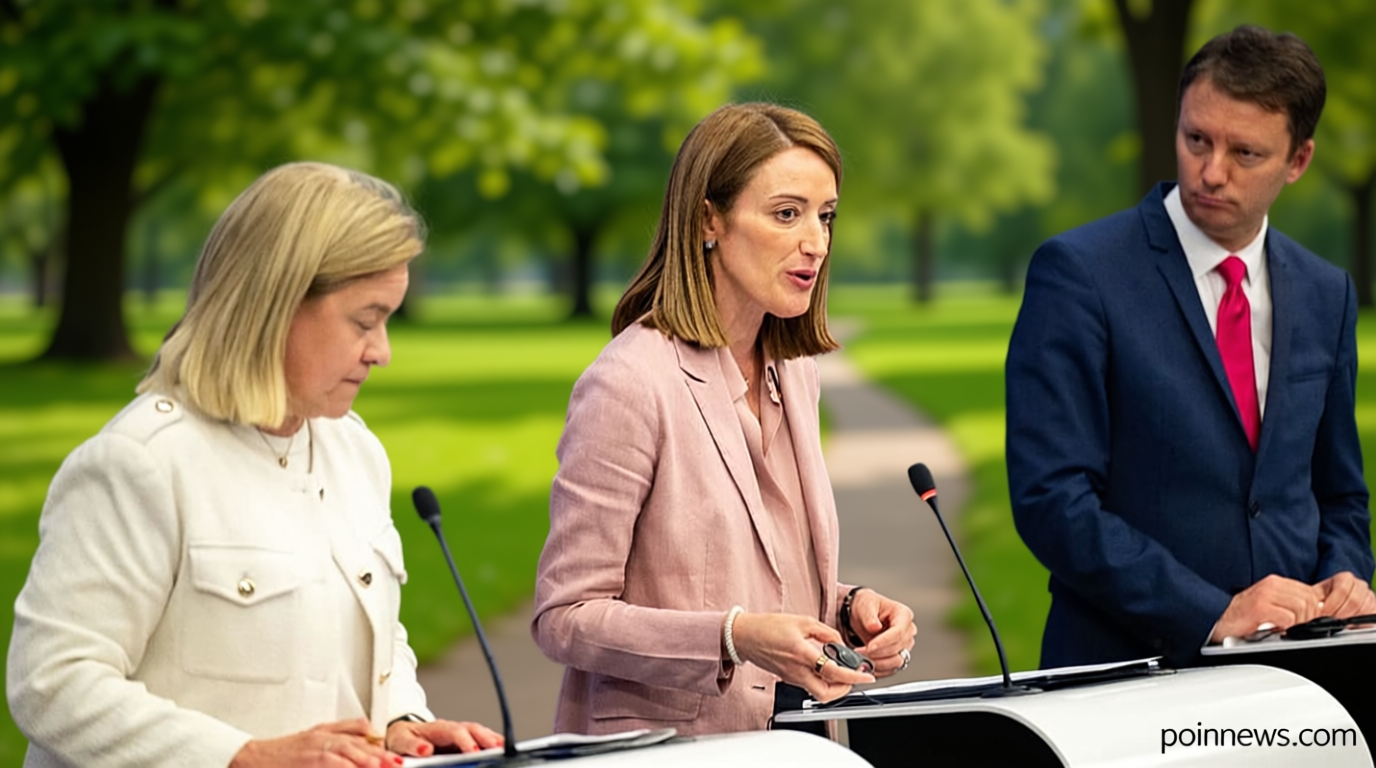
The rejection of the member states’ first draft underscores the Parliament’s determination to secure more robust financial commitments for key sectors. While some countries, like Germany and the Netherlands, have supported cost-cutting measures to streamline spending, others, including France and Spain, have argued that the reductions threaten the EU’s ability to fund critical programs. MEPs Carla Tavares and Siegfried Mureșan, who spearheaded the press conference on Tuesday, stressed that the cuts would weaken the EU’s response to global challenges such as climate change and economic inequality. The Parliament’s stance reflects a broader effort to balance fiscal discipline with strategic investment, a theme that has dominated discussions since the budget process began in July 2025.
The proposed cuts have sparked concerns about the adequacy of the €2 trillion budget plan originally put forward by the European Commission. MEPs claim the initial proposal was already insufficient, and the member states’ adjustments only exacerbate the issue. “The EU Parliament’s rejection of these cuts is a clear statement that we cannot afford to compromise on funding for agriculture and regional development,” said Mureșan.
“If we continue to reduce resources for these areas, we risk undermining the very foundations of our shared prosperity and cohesion.”
The Parliament’s demand for a 10 percent increase in the budget further illustrates its push for a more ambitious financial framework.
Key stakeholders and divergent interests
The budget negotiations have become a battleground for competing priorities, with the European Parliament and member states often at odds. While the Council has prioritized efficiency and sustainability, the Parliament has emphasized the need for growth and resilience. This divergence is evident in the proposed reforms, such as the National and Regional Partnership Plans, which aim to give member states greater control over funding distribution. However, the compromise text, crafted by Cyprus as the lead negotiator, has been criticized for not adequately addressing the Parliament’s concerns about the long-term implications of the cuts.
The rejection of the first draft also raises questions about the timeline for finalizing the budget. With the EU leaders’ summit scheduled for 18-19 June, the Parliament is urging the Council to revisit its proposals. The summit will serve as a critical platform for resolving disputes and aligning on a final agreement. Meanwhile, the issue of repaying Next Generation EU, a €1.8 trillion recovery fund, remains a contentious point. The Parliament has called for the exclusion of this repayment from the budget calculations, arguing that it should be treated as a separate instrument to avoid overburdening the long-term fiscal plan.
Implications for EU cohesion and competitiveness
The budget’s rejection has significant consequences for the EU’s ability to maintain cohesion and drive competitiveness. Agriculture and regional development programs, which are vital for supporting member states with weaker economies, face potential underfunding. This could widen disparities within the bloc and hinder progress on shared goals such as green energy transitions and digital innovation. The Competitiveness Fund, one of the three pillars of the proposed budget, is at risk of being scaled back, which could limit the EU’s capacity to invest in research and infrastructure projects.
MEPs have also raised concerns about the role of own resources in funding the budget. The current system relies heavily on member states’ contributions, but the compromise text does not include any significant changes to this mechanism. “Without reforms to own resources, the budget will remain too dependent on national contributions, which may not keep pace with the EU’s evolving needs,” noted Tavares.
“This lack of innovation in revenue generation could undermine the long-term sustainability of our financial framework.”
The Parliament is now advocating for a more dynamic approach to funding, including measures to boost tax revenues and reduce reliance on loans.
Historical context and future challenges
The budget negotiations trace their roots back to the European Commission’s €2 trillion proposal in July 2025, which aimed to modernize the EU’s financial architecture. The initial plan emphasized spending on Global Europe, the Competitiveness Fund, and Horizon Europe, the EU’s flagship research program. However, member states have since adjusted these figures, leading to a more contentious discussion. The rejection of the first draft marks a pivotal moment in this process, as it forces the Council to reconsider its approach or risk delays that could extend into the 2027 election year.
With the EU leaders’ meeting approaching, the next phase of negotiations will be crucial. The compromise text, though rejected by the Parliament, provides a baseline for further discussion. Member states may need to make additional concessions to align with the Parliament’s demands, particularly regarding funding levels for agriculture and regional programs. The outcome of this meeting could determine whether the EU secures a budget that balances efficiency with the necessary resources to address pressing challenges. As the focus keyword “EU Parliament rejects member states” continues to shape the debate, the final agreement will reflect the culmination of these complex and evolving priorities.