Qatar ‘cautiously optimistic’ on US-Iran framework deal before Friday’s signing
US-Iran Framework Deal Qatar cautiously optimistic on US Iran - Qatar's cautious optimism toward the US-Iran framework deal has been evident as the agreement

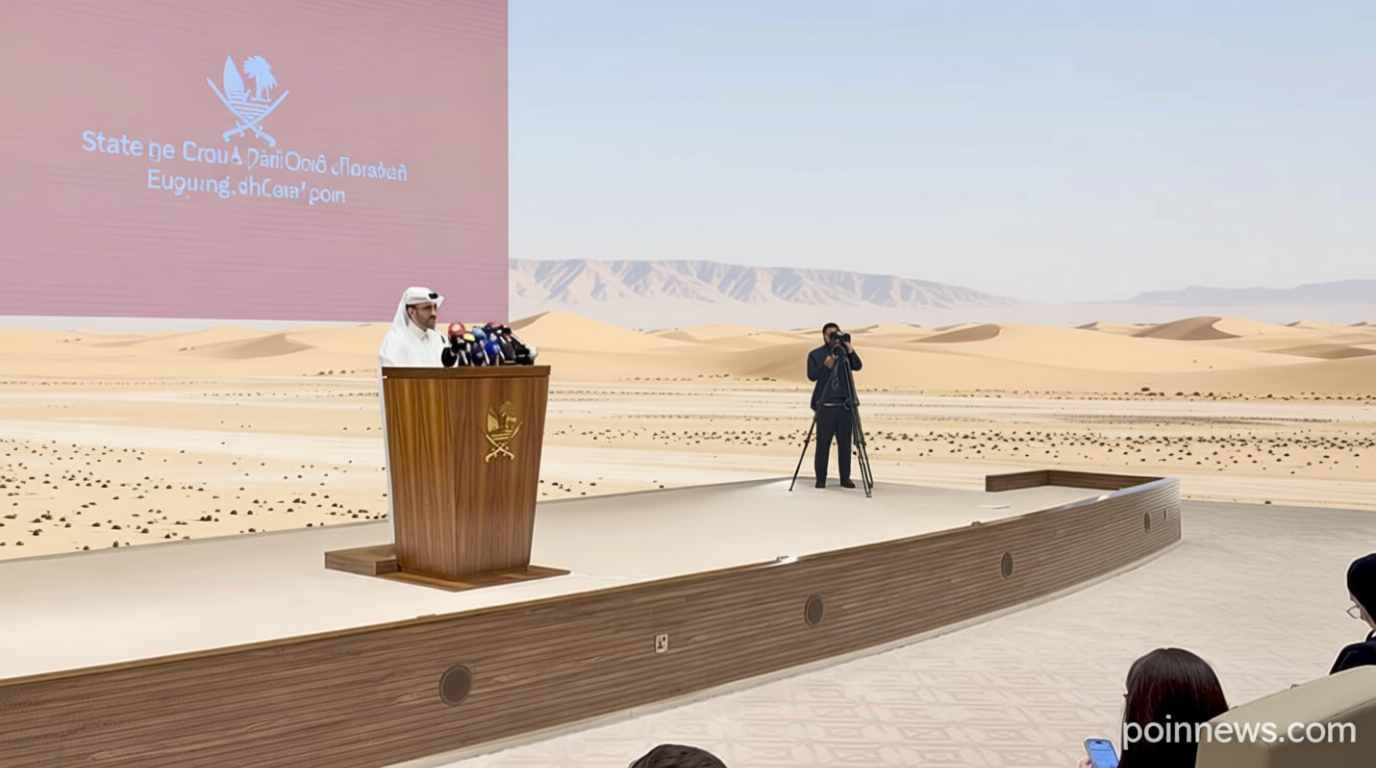
Table of Contents
Qatar Cautiously Optimistic on US-Iran Framework Deal
Poinews.com – Qatar’s cautious optimism toward the US-Iran framework deal has been evident as the agreement approaches its official signing on Friday. Dr. Majed Al Ansari, a spokesperson for Qatar’s foreign ministry, highlighted the nation’s hopeful stance during a press briefing on Tuesday. While Doha welcomes the anticipated deal, Al Ansari stressed that it should be considered a foundational step rather than a complete resolution to the complex regional tensions. “We are on the right track toward regional security,” he remarked, acknowledging the significance of the initial framework. However, the Gulf state’s optimism is tempered by the recognition that challenges remain, requiring sustained effort and diplomatic engagement. “Let’s take this as a moment to enjoy some optimism,” Al Ansari added, emphasizing the progress made but also the work ahead.
Framework Deal and Strategic Implications
“We are cautiously optimistic,” said Dr. Majed Al Ansari, as Doha welcomed the US-Iran agreement while noting that the framework should be treated as a first step rather than a final settlement.
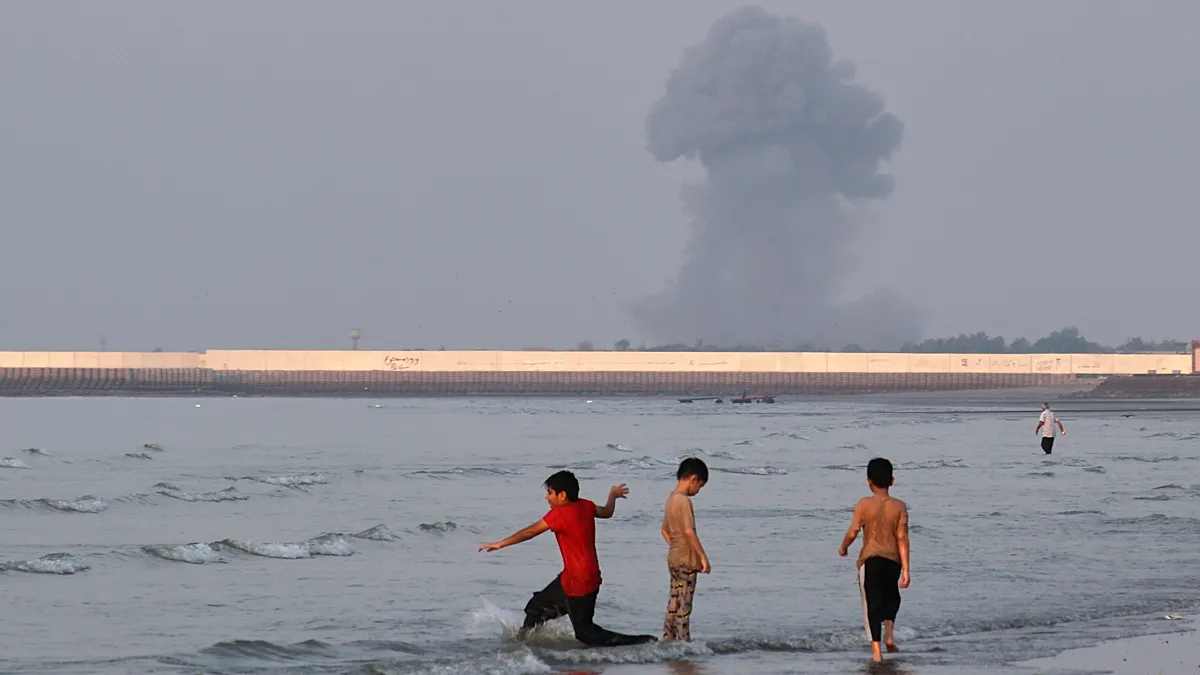
The proposed framework, announced by the United States and Iran on Sunday, aims to establish a stable foundation for future negotiations. Key components include a commitment to reduce military tensions in the Gulf, restore normalcy to the Strait of Hormuz, and open channels for dialogue. Al Ansari emphasized that the deal’s success would depend on its implementation, particularly in ensuring the resumption of safe shipping through the critical waterway. This is crucial for Qatar, which relies heavily on its LNG exports to maintain economic stability. The agreement is expected to ease global energy market pressures, though its long-term impact remains uncertain. “The real challenge lies beyond the signing ceremony,” Al Ansari cautioned, underscoring the need for consistent diplomatic efforts.
Qatar’s Historical Context and Regional Challenges
Qatar’s cautious optimism is deeply rooted in its long-standing role as a mediator in regional conflicts. The nation has historically balanced its relationships with both the United States and Iran, leveraging its strategic position in the Gulf to foster dialogue. Al Ansari pointed out that the ongoing challenges, such as Iran’s missile attacks on Gulf states, have persisted for decades. These threats, he noted, were intensified by the US-Israeli strikes in February, which disrupted the fragile peace. Even after a ceasefire was declared on April 8, sporadic Iranian attacks continued, leaving the region in a state of uncertainty. “These are issues that have plagued the Gulf for years,” Al Ansari stated, highlighting the need for a lasting solution.
“In Qatar, we don’t take lightly our responsibility toward regional security,” Al Ansari affirmed, reiterating the Gulf state’s dedication to maintaining stability in the face of ongoing tensions.
The framework deal is seen as a potential turning point, but its success hinges on Iran’s willingness to honor commitments. Al Ansari acknowledged that the deal could pave the way for broader cooperation, such as joint economic projects or cultural exchanges, which would help rebuild trust. However, he warned that the process will take time. “The path to long-term peace requires patience and persistence,” he said. Qatar’s support for the deal has been praised by international allies, including Pakistan, which has also been active in facilitating talks between Washington and Tehran. This collaboration reflects a shared interest in reducing hostilities and promoting economic growth in the region.
Economic and Geopolitical Impact
Qatar’s economic interests are closely tied to the stability of the Gulf, particularly the free flow of energy resources. The resumption of normal shipping through the Strait of Hormuz, a vital artery for global oil and gas trade, is a key component of the agreement. Al Ansari noted that this would benefit not only Qatar but also the broader international community, as it could stabilize energy prices and reduce supply chain disruptions. However, the Gulf state remains vigilant, aware that the deal does not guarantee a return to pre-war conditions. “Regarding business as usual, I don’t think there’s anything that can be described as usual in the region post this conflict,” Al Ansari explained, emphasizing the lingering effects of the war.
“The deal is a starting point, not a finish line,” Al Ansari said, reflecting on the importance of sustained diplomatic engagement.
The US-Iran agreement also has implications for regional geopolitics. While the framework is designed to ease tensions, it may not fully address the underlying rivalries between Iran and its Gulf neighbors. Al Ansari acknowledged that the deal is a significant step forward but cautioned that long-term success will depend on Iran’s actions in the coming months. “We are very, very impressed with Qatar and the way they handled things,” former President Donald Trump remarked during a bilateral meeting with Emir Sheikh Tamim bin Hamad Al Thani at the G7 summit in Évian-les-Bains. Trump’s praise for Doha’s role underscores the importance of the nation’s diplomatic efforts in shaping the future of US-Iran relations. Yet, Sheikh Tamim expressed a more measured view, emphasizing the need for follow-through on the agreement’s terms.