Russian artist and Putin critic Semyon Skrepetsky shot dead in Poland, officials say
Russian artist and Putin critic Semyon: ssian artist and Putin critic Semyon - The fatal shooting of a Russian artist and Putin critic in Poland has sparked

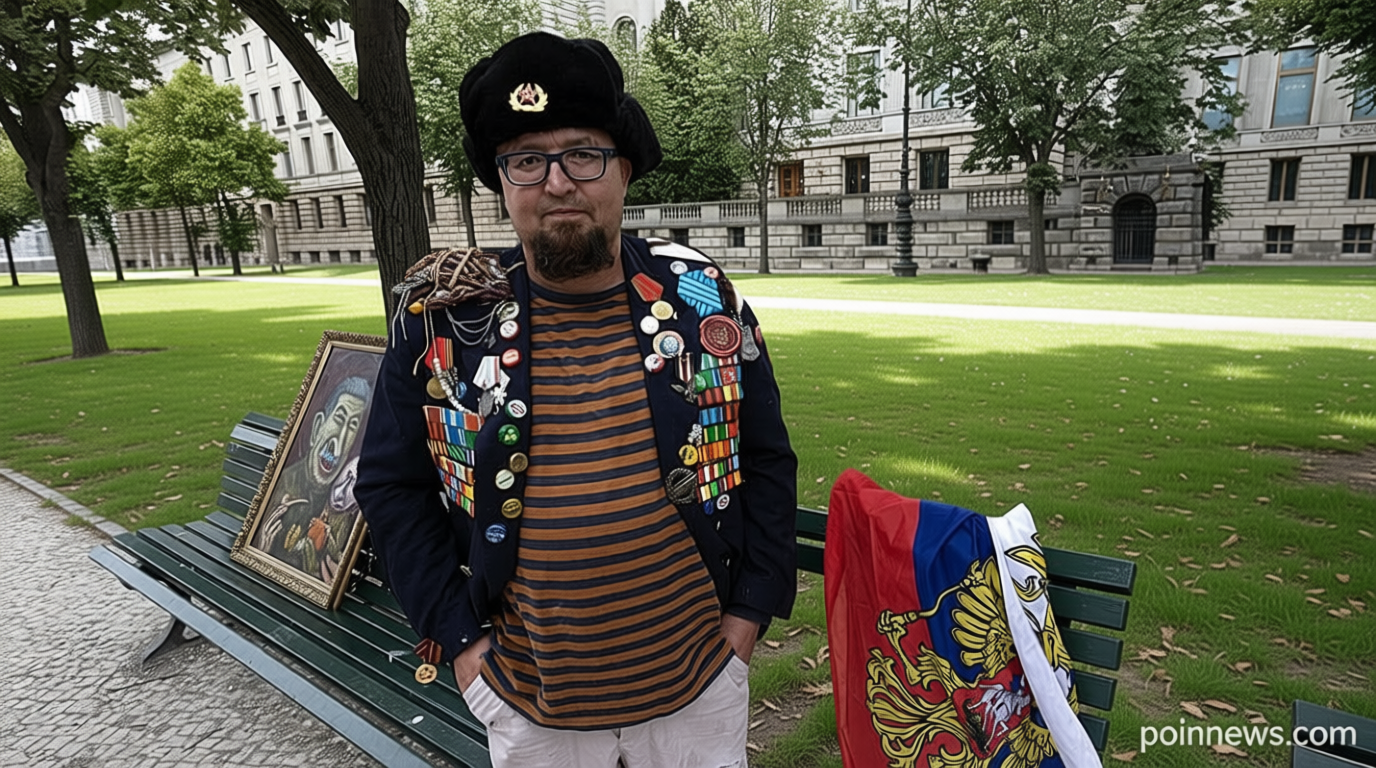
Russian Artist and Putin Critic Shot Dead in Poland
Poinews.com – The fatal shooting of a Russian artist and Putin critic in Poland has sparked international concern, with officials confirming the incident in the eastern region. Semyon Skrepetsky, a 44-year-old Russian national, was killed on Monday, marking a significant event in the ongoing tensions between Russia and its critics abroad. His death has drawn attention to the growing risks faced by individuals in Poland who challenge Russian political narratives.
Investigation and Suspects
Polish prosecutors have launched an investigation into the murder, revealing that two Belarusian nationals were arrested in connection with the crime. The suspects were detained near the Belarusian consulate in Biała Podlaska, where the attack reportedly took place. While no formal charges have been announced, authorities stated that the individuals are cooperating with investigators and remain in custody pending further evidence.
“We are examining all possible motives behind the shooting,” said Marcin Kozak, a spokesperson for the prosecutor’s office. “Semyon Skrepetsky was known for his sharp critiques of Russian leaders, and his death underscores the dangers of speaking out against the regime.”
Skrepetsky’s Legacy as a Critic
Semyon Skrepetsky, whose real name is Robert Kuzovkov, gained notoriety for his satirical art that mocked high-profile Russian figures. His work often featured provocative reimaginings of historical and religious imagery, such as an Orthodox icon depicting Stalin cradling Putin. These pieces, which blended humor with political commentary, became a symbol of resistance among Russian dissidents.
Before his move to Poland in 2021, Skrepetsky had been a vocal critic of the Kremlin, often using his platform to highlight political repression and human rights abuses. His relocation to the country was seen as an attempt to escape escalating threats in Russia, where dissenters frequently face harassment, imprisonment, or worse. In Poland, he continued to engage in activism, attending events and sharing his views on social media, despite the risks of being targeted.
The incident has reignited debates about the role of foreign governments in supporting Russian critics. Some analysts suggest that Skrepetsky’s death may be linked to broader efforts by Western nations to undermine Putin’s regime through cultural and political means. Others argue that the attack reflects a pattern of targeting individuals who challenge the Kremlin’s authority, regardless of their location.
Skrepetsky’s work also extended to critiques of Russian leadership beyond Putin, including figures like Joseph Stalin and Alexei Navalny. His ability to blend art with political messaging made him a prominent voice in the diaspora. Friends and colleagues have described him as a passionate advocate for free expression, whose art often carried a message of defiance against authoritarian rule.
Following the shooting, Polish officials expressed solidarity with the victim and vowed to pursue justice. The government has emphasized the importance of protecting free speech, especially in light of the increasing number of Russian critics being targeted in Europe. Meanwhile, the international community has called for transparency in the investigation, with some suggesting that the attack may be part of a larger strategy to silence dissenters.
The killing of Skrepetsky highlights the precarious position of Russian dissidents living in exile. While Poland has become a refuge for many, it also serves as a target for those seeking to eliminate opposition. His death has prompted renewed calls for support for Russian artists and activists, with some urging greater protection from hostile actors.