New fleet of electric hydrofoil boats to be deployed in the Maldives
New Fleet of Electric Hydrofoil Boats to be Deployed in the Maldives New fleet of electric hydrofoil boats - The Maldives is set to embrace a groundbreaking

New Fleet of Electric Hydrofoil Boats to be Deployed in the Maldives
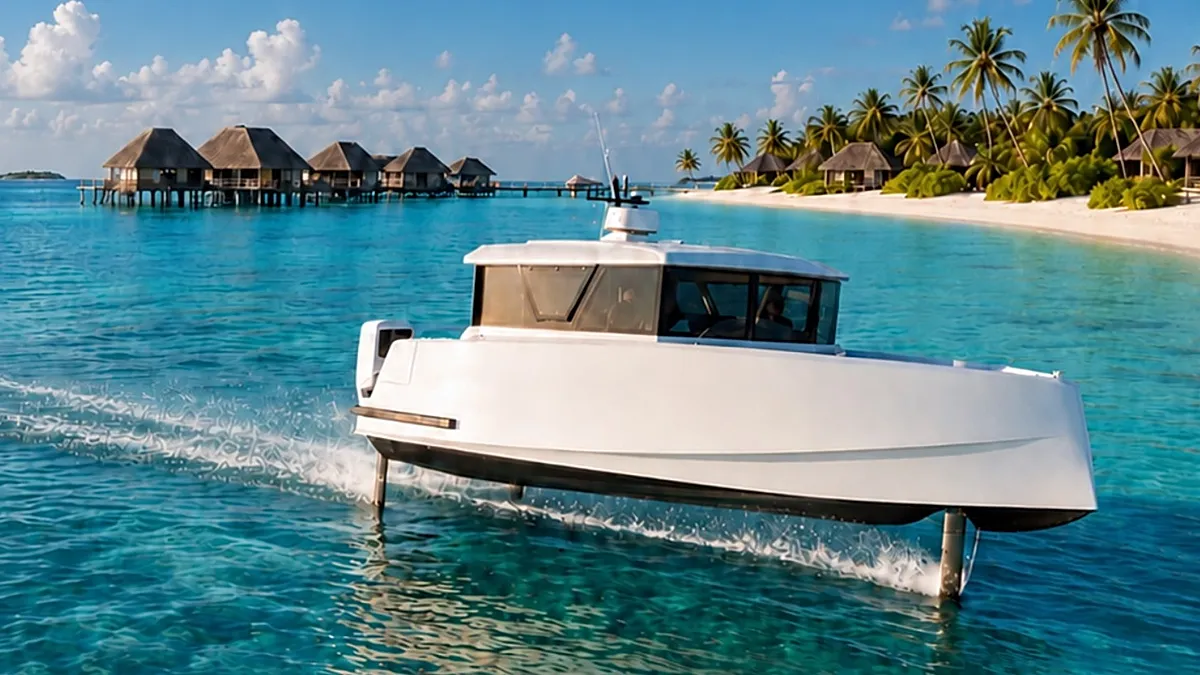
Poinews.com – The Maldives is set to embrace a groundbreaking shift in its maritime transport infrastructure with the introduction of a new fleet of electric hydrofoil boats. This initiative, led by US-based Navier and Dubai’s JIH Global Investment, aims to replace traditional speedboats and ferries with a modern, eco-conscious network of 100 electric hydrofoil vessels. The project, which has a projected budget of $100 million (€87 million), seeks to create a sustainable maritime corridor that will seamlessly connect the nation’s airports, resorts, private villas, and local islands. By leveraging cutting-edge hydrofoil technology and software-driven efficiency, the Maldives is positioning itself as a global leader in green travel innovation.
Revolutionizing Island Mobility
The new fleet of electric hydrofoil boats represents a significant leap forward in the way tourists and residents navigate the Maldives’ archipelago. As the first phase of the project nears completion, five Navier N30 boats will begin operations, with the remaining 95 expected to be deployed over the next three years. This gradual rollout ensures that the system can be tested and refined, ultimately delivering a more efficient and comfortable travel experience. The initiative is designed to address the challenges of current transport methods, which often involve crowded, noisy, and less environmentally friendly options. By integrating electric hydrofoils into the existing network, the Maldives aims to streamline its mobility while reducing its carbon footprint.
“The Maldives is one of the most important maritime transportation markets globally,” said Sampriti Bhattacharyya, founder and CEO of Navier. “Every guest, worker, resort, and island depends on boats or seaplanes, making it the ideal setting to demonstrate cleaner, quieter, and standardized transport that enhances the guest experience.”
Electric hydrofoil boats are engineered to glide over water with minimal disruption, thanks to their hydrofoil technology. As the vessels accelerate, their hulls lift, cutting through waves instead of pushing against them. This design not only reduces drag but also decreases noise pollution, vibrations, and wake, offering a smoother and more tranquil journey. Features such as air-conditioned cabins, lounge-style seating, and onboard Starlink internet further elevate the passenger experience, making these boats a blend of luxury and sustainability. With an electric range of up to 75 nautical miles and a hybrid mode extending that to 150 nautical miles, the fleet is tailored to meet the demands of both short-haul and longer-distance travel within the Maldives.
Sustainable Future for the Ocean Paradise
The Maldives’ commitment to environmental stewardship is evident in its plans to replace the existing 3,000 fuel-powered vessels with this new fleet of electric hydrofoil boats. By 2025, the country welcomed over 2.2 million tourists, highlighting the critical role of maritime transport in its economy. The current reliance on fossil fuel-based boats contributes significantly to carbon emissions, a pressing concern for a nation that is among the world’s most vulnerable to climate change. Navier’s electric hydrofoils, with their energy-efficient propulsion and zero emissions, are expected to reduce the environmental impact of travel by up to 80%, aligning with the Maldives’ net-zero emissions target by 2030.
“The Maldives has long been a leader in luxury tourism, but its role as a climate change frontline nation gives it a unique chance to set a sustainable example,” noted Mohamed Ali Janah, Chairman of JIH Global Investment. “This project isn’t just about connecting points—it’s about creating a scalable model for eco-friendly maritime transport that can be replicated worldwide.”
The introduction of the new fleet of electric hydrofoil boats also offers economic benefits beyond environmental sustainability. By reducing fuel costs and maintenance expenses, the initiative is projected to lower operational expenses for transport providers, potentially making travel more affordable for visitors. Additionally, the system’s software-driven efficiency could improve route planning and reduce delays, enhancing the overall appeal of the Maldives as a destination. This modernization effort underscores the nation’s dedication to balancing tourism growth with ecological responsibility.
Technology and Design Innovations
Navier’s electric hydrofoil boats are a testament to the intersection of innovation and environmental consciousness. The N30 model, the first in the series, is equipped with advanced battery systems and solar panels, allowing it to harness renewable energy sources. These features not only extend the boats’ range but also minimize their reliance on external power grids. The design incorporates smart technology, enabling real-time data analysis to optimize routes and reduce energy consumption. For example, the boats can adjust their speed and course based on sea conditions and passenger demand, ensuring both efficiency and comfort.
Additionally, the Maldives is exploring partnerships with local stakeholders to integrate the new fleet of electric hydrofoil boats into its existing transport network. This includes collaboration with airports and resorts to streamline docking processes and reduce wait times. The project’s long-term vision extends beyond immediate environmental and economic gains, aiming to create a blueprint for sustainable island travel that can inspire other coastal nations. With its focus on reducing emissions and noise, the initiative is not only redefining mobility but also setting a new standard for green tourism in the region.