Putin meets with ASEAN leaders in Russia as G7 vow ‘unwavering’ support for Ukraine
Putin Meets With ASEAN Leaders in Russia Amid G7's Unwavering Ukraine Support Putin meets with ASEAN leaders in Russia - At a pivotal moment in international

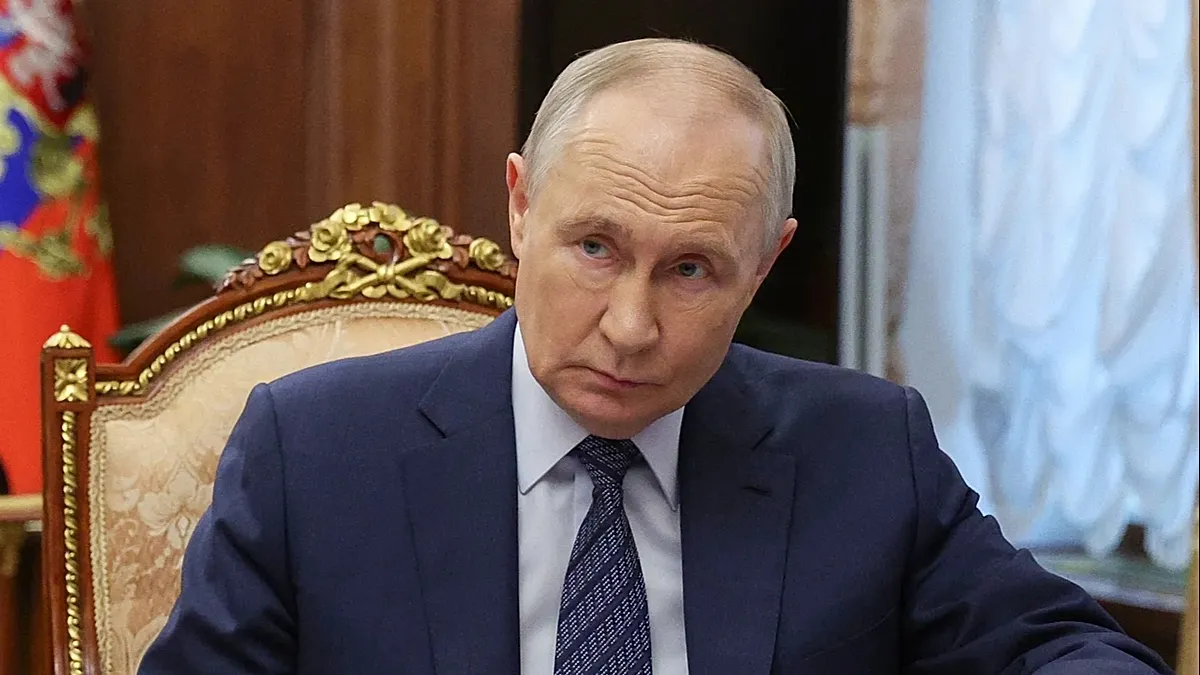
Putin Meets With ASEAN Leaders in Russia Amid G7’s Unwavering Ukraine Support
Poinews.com – At a pivotal moment in international diplomacy, Russian President Vladimir Putin convened with leaders from the Association of Southeast Asian Nations (ASEAN) in Kazan, Russia, as the G7 nations solidified their commitment to supporting Ukraine. This meeting, held during the 35th anniversary of diplomatic ties between Russia and ASEAN, underscores the complex interplay of global alliances and regional cooperation. The focus keyword, “Putin meets with ASEAN leaders,” is central to this event, which takes place against the backdrop of ongoing geopolitical tensions and the G7’s coordinated efforts to sustain pressure on Moscow through economic and military means.
Strategic Dialogue on Regional and Global Priorities
The ASEAN-Russia summit, a biennial event, brought together 11 member states, including Cambodia, Thailand, Vietnam, and Singapore, to deepen collaboration on pressing issues. Putin met with ASEAN leaders to explore shared interests in areas such as energy security, digital innovation, and transport infrastructure. This strategic dialogue highlights the growing importance of Russia’s relationships with Southeast Asia, even as Western nations continue to isolate it over its actions in Ukraine. The summit also aimed to reinforce mutual trust and address challenges like climate change and trade policies, which have become increasingly relevant in a post-pandemic world.
“Today, we face new responsibilities,” Putin remarked. “These involve adopting AI-driven digital tools and building robust platforms for the future.”
His remarks emphasize Russia’s intent to position itself as a key player in emerging technologies, a move that could reshape its standing in the global economy. While the G7 nations have focused on sanctions and military aid to Ukraine, Putin’s engagement with ASEAN reflects a broader strategy to diversify partnerships and secure economic stability in regions less aligned with Western priorities.
During the summit, discussions centered on mutual interests, including Russia’s role in the global energy market and ASEAN’s desire to stabilize supply chains. Putin highlighted opportunities for nuclear energy collaboration, particularly in addressing energy security challenges for ASEAN countries. He also underscored the potential for Russia to contribute to digital infrastructure projects, offering a vision of shared technological advancement. The ASEAN leaders, in turn, expressed interest in leveraging Russia’s resources and expertise to support their own development goals, indicating a nuanced approach to bilateral relations.
Global Alliances and Domestic Priorities
Meanwhile, the G7 nations, meeting in Évian-les-Bains, France, reaffirmed their collective resolve to support Ukraine. The group’s joint statement highlighted continued efforts to target Russia’s war economy, with a focus on expanding sanctions in the oil and gas sector to curb its financial capabilities. This coordinated stance sends a clear message to Moscow that the G7 remains united in its backing of Ukraine, despite growing divisions among its members. The meeting also addressed migration and technological advancements, demonstrating the group’s broader vision for global governance.
Ukrainian President Volodymyr Zelenskyy participated in the G7 summit, using the platform to advocate for increased military and humanitarian aid. His presence underscored the interconnectedness of regional and global efforts to support Ukraine, as the country’s survival is now tied to international coalitions. Zelenskyy emphasized the need for air defense systems and winter supplies, citing the critical importance of maintaining Ukraine’s military readiness during the colder months. The G7’s approval of these measures reflects a blend of strategic military support and solidarity with Ukraine’s leadership.
The meeting in Kazan marks a significant opportunity for Russia to reframe its image in the region. While the G7’s unwavering support for Ukraine has intensified sanctions and military aid, Putin’s engagement with ASEAN provides a counterbalance. This dual approach allows Russia to maintain its influence in Southeast Asia while reinforcing its ties to the West through the G7. The leaders of ASEAN, however, remain cautious, balancing their engagement with Russia against the backdrop of its ongoing conflict with Ukraine. The summit’s outcomes will be closely watched as a potential shift in the region’s geopolitical alignment.