UK minister ‘very confident’ of getting triple EU reset deal done at July summit
UK Minister Very Confident of Getting Post-Brexit Deal Finalized at July Summit UK minister very confident of getting - The UK minister, Nick Thomas-Symonds

UK Minister Very Confident of Getting Post-Brexit Deal Finalized at July Summit
Poinews.com – The UK minister, Nick Thomas-Symonds, has publicly declared his confidence in securing a landmark post-Brexit agreement with the European Union during the July summit. This deal, referred to as the ‘triple EU reset,’ is expected to redefine the UK’s relationship with its European partners by addressing critical areas such as trade, energy, and people movement. With the summit set to take place in London on 22 July, Thomas-Symonds emphasized the importance of the negotiations, stating that the UK is ready to push forward on a deal that could ease tensions and foster long-term collaboration. The focus keyword, “UK minister very confident of getting,” encapsulates the key sentiment driving the talks, as both sides aim to solidify a new framework for cooperation.
Agreement Details and Strategic Priorities
According to official sources, the proposed agreement includes three core pillars designed to streamline the UK’s post-Brexit engagement with the EU. The first pillar targets the agri-food sector, where the UK and EU have agreed to harmonize sanitary and phytosanitary standards to reduce bureaucratic hurdles. This move is expected to boost trade efficiency and lower costs for businesses. The second pillar focuses on energy, with the UK seeking to reintegrate into the EU’s internal electricity market, a step that could stabilize energy prices and enhance cross-border infrastructure. The third pillar involves a youth mobility program, offering specialized visas to young people from both the UK and EU to encourage cultural and professional exchanges.
Thomas-Symonds highlighted that the agreement would serve as a foundation for broader cooperation in other sectors, such as transport and digital services. He also noted that the summit provides a unique opportunity to address lingering issues from the Brexit transition, including the alignment of regulatory standards and the management of financial commitments. The minister’s confidence stems from recent progress in negotiations, as well as a shared recognition of the need for pragmatic solutions to maintain economic stability.
Political and Economic Context
The summit comes amid a period of heightened political focus on Brexit’s legacy and its impact on the UK’s economic prospects. Analysts suggest that the agreement could be a turning point in the UK’s efforts to transition from a standalone nation to a cooperative partner within the European framework. Thomas-Symonds pointed out that the deal reflects a strategic shift in the UK’s approach, prioritizing alignment over divergence. This is particularly important as the country faces inflationary pressures and seeks to diversify its trade relationships beyond the EU.
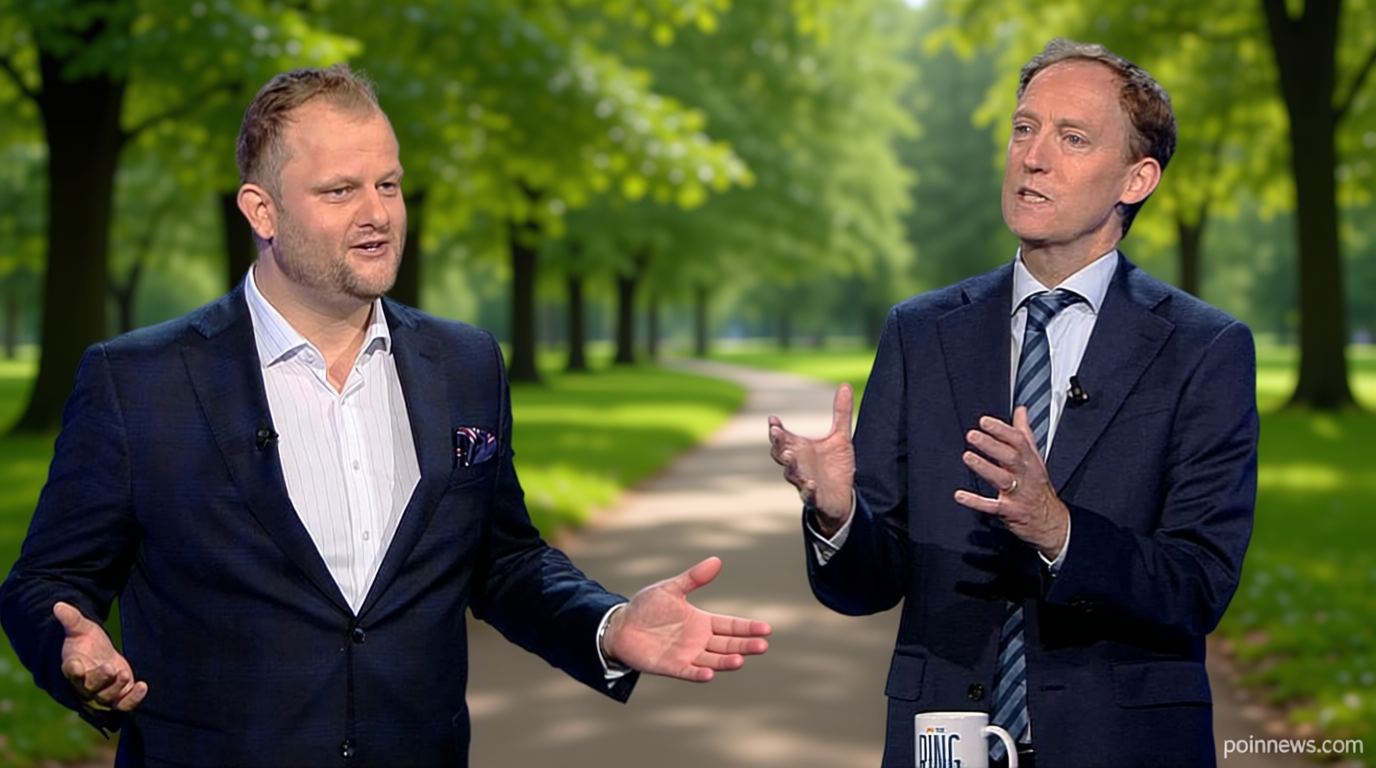
“This agreement isn’t just about fixing past issues—it’s about building a future where the UK and EU work closely together,” Thomas-Symonds said during an interview on Euronews’s *12 Minutes With* series. “We’ve made significant strides, and the July summit will be the moment to bring it all together.”
Challenges and Momentum
Despite the minister’s optimism, challenges remain in finalizing the deal. Disagreements over the scope of the youth mobility program and the terms of the electricity market integration have delayed progress. However, the summit’s confirmation as a key platform for negotiations has helped maintain momentum. Thomas-Symonds reiterated that the UK’s commitment to a cooperative approach is strong, with public support for closer ties with the EU remaining steady. Recent polls indicate that 60% of UK citizens back the idea of rejoining the EU in some form, though the minister cautioned that the agreement would need to balance national interests with collective goals.
Public Sentiment and Leadership Dynamics
The minister’s remarks align with a broader shift in public opinion, as many UK citizens express a desire for improved relations with the EU rather than a complete break. Thomas-Symonds pointed to the Labour government’s recent efforts to prioritize pragmatic cooperation, despite internal challenges within the party. He noted that the summit’s outcome could influence the upcoming general election, where Brexit-related policies are expected to play a central role. “The voters are looking for stability and progress,” he said, stressing that the agreement would demonstrate the government’s commitment to long-term European partnerships.
“The UK’s future with the EU isn’t a binary choice—it’s about finding the right balance for our economy and society,” Thomas-Symonds added. “This summit is the chance to show that we can move forward together.”
EU Perspectives and Negotiation Outlook
On the EU side, officials have expressed cautious optimism about the potential for agreement. European Commission President Ursula von der Leyen highlighted the importance of the July summit in addressing outstanding issues, including the UK’s financial obligations and the status of financial services. The EU has also emphasized the need for a fair and reciprocal arrangement, ensuring that both parties benefit from the reset. Thomas-Symonds acknowledged these concerns, stating that the UK is prepared to negotiate flexibly to meet the EU’s expectations while safeguarding national interests. The minister’s confidence is bolstered by the EU’s own desire to stabilize trade relations and reduce uncertainty in the post-Brexit landscape.
Long-Term Implications and Strategic Goals
With the summit marking a critical juncture, the proposed deal is seen as a cornerstone for the UK’s economic resilience and international standing. Thomas-Symonds outlined that the agreement would not only enhance trade and energy cooperation but also set the stage for deeper political and cultural ties. This is a significant opportunity for the UK to demonstrate its readiness to embrace a collaborative model, even as it retains sovereignty over key decisions. The minister also stressed that the deal would be a win for both the UK and EU, creating a framework for continued dialogue and mutual growth. As the July summit approaches, all eyes are on London to see if this ‘triple EU reset’ can be realized in time to shape the future of UK-EU relations.