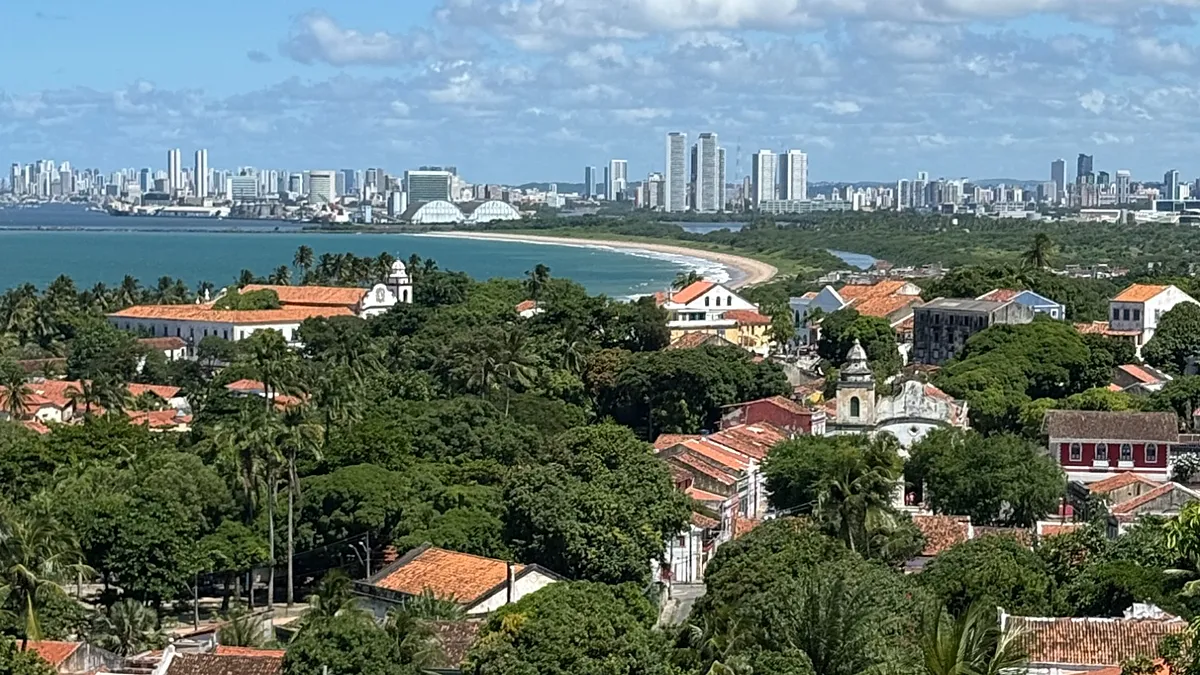
The world’s best skylines have just been named – and none of the top 10 are in Europe
The World’s Best Skylines Have Just Been Named – and None of the Top 10 Are in Europe The world s best skylines have - The world’s best skylines have been

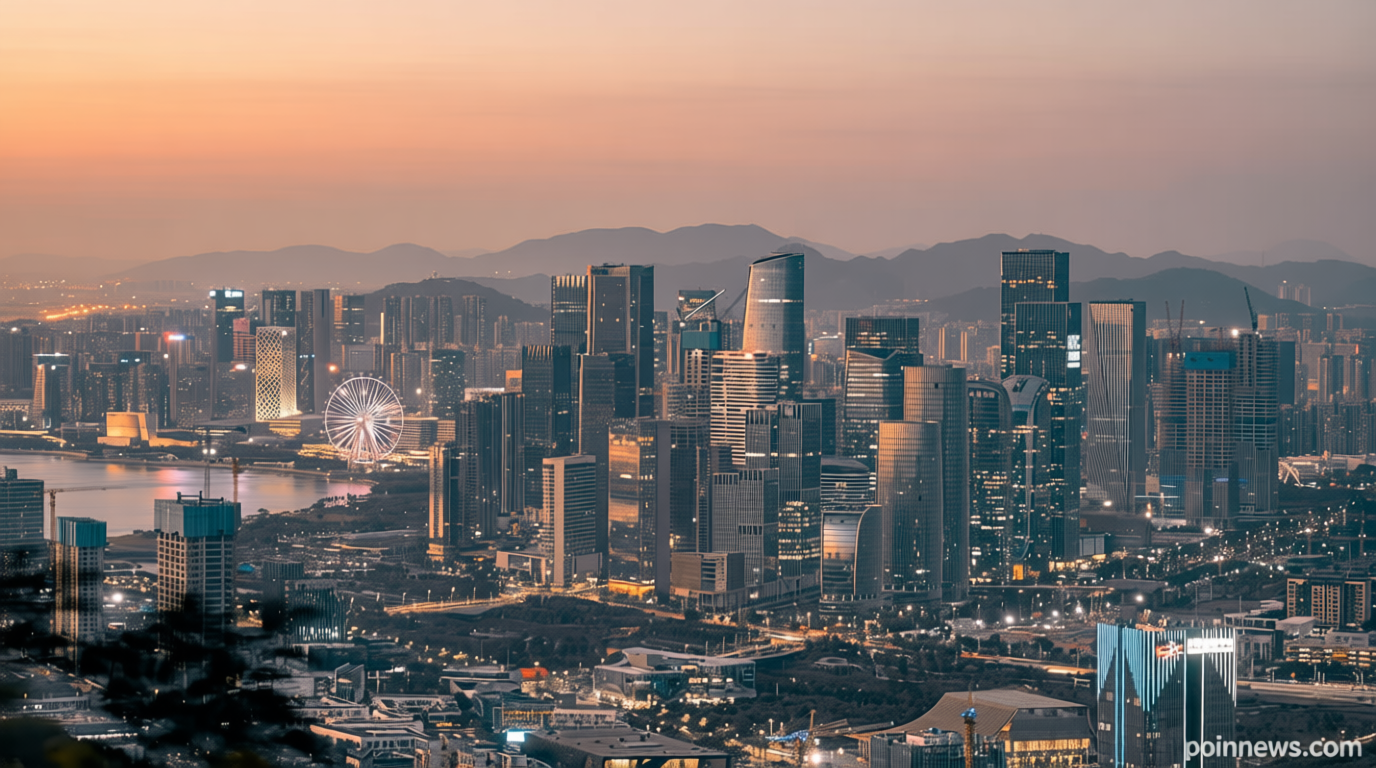
The World’s Best Skylines Have Just Been Named – and None of the Top 10 Are in Europe
Poinews.com – The world’s best skylines have been officially recognized in a recent global ranking, sparking curiosity among travelers and architecture enthusiasts alike. This list, compiled by Radical Storage, highlights cities whose skylines stand out for their vertical dominance, architectural innovation, and visual impact. Despite Europe’s rich history of iconic urban landscapes, none of the top 10 entries in this prestigious evaluation are from the continent. The absence of European cities in the top rankings raises questions about the factors that contribute to a skyline’s global acclaim, while also offering a fresh perspective on the world’s most awe-inspiring cityscapes.
The Methodology Behind the Ranking
The methodology used to determine the world’s best skylines is a blend of quantitative and qualitative assessments, focusing on criteria such as building density, average height, nighttime visibility, and architectural awards. Radical Storage evaluated cities based on their skyscraper counts from the Skyscraper Center, which tracks structures exceeding 150 meters in height. The final list was narrowed down by analyzing both the sheer number of high-rises and their collective aesthetic appeal. This approach ensures that the rankings reflect not only the scale of urban development but also the visual harmony and prominence of these structures. The evaluation process also considered the impact of these skylines on global tourism and their recognition in international architectural circles.
Shenzhen: A Rising Star in the Skyline Rankings
Shenzhen, China, takes the top spot with its staggering 679 skyscrapers over 150 meters tall. This city, once a small fishing village, has transformed into a futuristic metropolis, symbolizing rapid economic growth and urban innovation. Its skyline is a testament to this transformation, featuring a dense cluster of modern towers that dominate the horizon. The city’s average building height and nighttime visibility make it a standout contender, while its architectural density is unmatched. Other notable entries from Asia include Kuala Lumpur, which ranks eighth, and Tokyo, which shares the ninth position. These cities are celebrated for their skyline’s unique blend of tradition and modernity, with Tokyo offering a mix of historic structures and cutting-edge high-rises.
Asia’s Dominance in the Top 10
Asia’s presence in the top 10 is undeniable, with five Chinese cities securing spots in the list. Hong Kong, renowned for its iconic skyline, ranks third, while Wuhan and Guangzhou follow in fifth and sixth positions, respectively. Shanghai, the financial hub of China, ranks seventh, its skyline marked by landmarks such as the Shanghai Tower and the iconic Oriental Pearl. Chongqing, a city with a vertical lifestyle, shares ninth place with Tokyo, showcasing how urban planning and population density can shape a skyline’s identity. Dubai, a standout in the Middle East, claims second place with its 32 supertall skyscrapers, including the Burj Khalifa. The UAE capital’s skyline is a marvel of engineering and design, drawing millions of visitors each year to witness its glittering array of high-rise structures.
The European Absence and Its Implications
While Asia dominates the rankings, Europe’s absence in the top 10 has sparked debate about the continent’s architectural identity. Cities like Paris, Berlin, and London, known for their historic landmarks and urban charm, were not included in the top 10. However, this doesn’t diminish their skyline appeal. Instead, it highlights the influence of skyscraper density and nighttime visibility in the ranking criteria. European skylines are often characterized by their mix of old and new, where centuries-old architecture coexists with modern developments. For instance, the skyline of Hamburg, featuring the Elbtunnel and the iconic Elbphilharmonie, offers a unique blend of historical and contemporary elements. This contrast raises the question: does the ranking prioritize vertical growth over cultural heritage, or is it a reflection of the global shift in urban development?
Global Perspectives on the Skyline Rankings
Despite the European absence, the world’s best skylines are celebrated for their ability to capture the imagination and define a city’s character. The rankings underscore the role of skyscrapers in shaping modern identities, with cities like Shenzhen and Dubai leading the way in vertical ambition. Meanwhile, New York City, which ranks fourth, is lauded for its architectural excellence and iconic landmarks such as the Empire State Building and One World Trade Center. The city’s skyline, a blend of historical and modern structures, remains a symbol of global urbanization. Other top cities include Singapore, which, though not in the top 10, is often cited for its seamless integration of skyscrapers into the urban fabric. The rankings also reflect the growing influence of emerging economies in redefining what a skyline can represent, moving beyond traditional notions of architectural grandeur to embrace innovation and scale.
As the world’s best skylines are named, the list invites reflection on the evolving definition of urban beauty. While Europe may not be represented in the top 10, its cities continue to offer distinct skyline experiences rooted in history and cultural significance. The rankings, however, emphasize the power of vertical density and modern architectural feats in capturing global attention. For travelers seeking the most visually striking cityscapes, this list serves as a guide to the world’s most impressive urban vistas. Whether it’s the glittering towers of Dubai or the bustling skyline of Shenzhen, these cities exemplify how architecture can shape a city’s legacy and inspire awe on a global scale.