Heatwaves hit Europe: How to stay cool when it really matters
o Stay Cool When It Really Matters Heatwaves hit Europe - European cities are forecasted to reach unprecedented summer temperatures in the coming days, with


Heatwaves Hit Europe: How to Stay Cool When It Really Matters
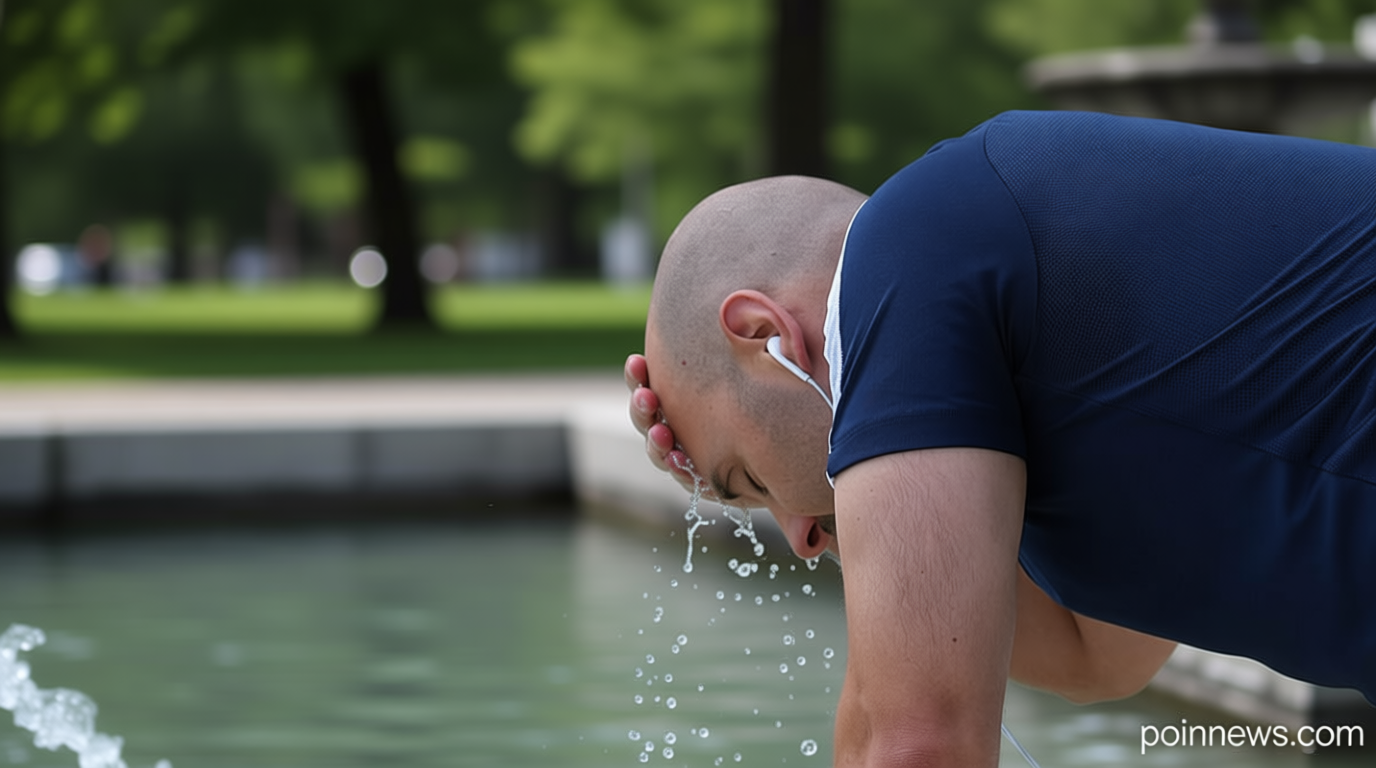
Poinews.com – European cities are forecasted to reach unprecedented summer temperatures in the coming days, with several regions anticipated to surpass 40°C. Tiago Villanueva, a family physician and leader of the European Union of General Practitioners/Family Physicians, emphasized to Euronews Health that heatwaves pose significant health risks, yet most heat-related illnesses can be prevented through straightforward precautions.
Health Risks of Prolonged Heat
During heatwaves, the body struggles to maintain its internal balance and expel excess heat, raising the likelihood of heat exhaustion or heatstroke. This strain also impacts the cardiovascular system, intensifying the burden on the heart and kidneys, which can aggravate preexisting medical conditions. The WHO warns that extended periods of extreme heat may lead to tropical nights, where temperatures remain above 20°C overnight, hindering the body’s recovery and increasing mortality risks.
“Heatwaves are not just uncomfortable—they are one of the deadliest weather events in Europe, but most heat-related illness is preventable with simple measures,” said Villanueva.
Staying Cool During the Day
Experts advise remaining indoors during peak heat hours and using window coverings to block sunlight. Ventilation should occur during cooler morning and evening times. Electric fans are most effective when temperatures are below 40°C; beyond that, they may circulate hot air, worsening the situation. If outdoor exposure is necessary, wearing loose, light-colored garments made from cotton or linen is recommended. These materials also aid in sleep comfort during sweltering nights.
Protecting Your Skin from UV Exposure
Preventing sun damage requires more than just staying cool. Avoiding direct sunlight, especially midday, and applying sunscreen every two hours is essential. Signs that reapplication is needed include dryness, redness, or a burning sensation. Bryce St. Clair from Johns Hopkins Medicine highlighted that lens color matters: brown, green, or grey sunglasses offer better UV protection than yellow ones.
For extended sun exposure, head coverings and eye protection are critical. Hats shield the scalp, while sunglasses reduce risks to the eyes. These steps, combined with hydration, form a comprehensive approach to heat safety.
Staying Hydrated in Extreme Conditions
Regular fluid intake is vital to counteract dehydration. The WHO suggests consuming two to three liters of water daily, noting that waiting until thirst sets in is less effective. Villanueva also cautioned against excessive alcohol and caffeine, as they can act as diuretics and accelerate fluid loss.
Even with careful measures, symptoms like dizziness, fatigue, or confusion may signal heat exhaustion. Immediate action—cooling down, rehydrating, and seeking medical help if symptoms worsen—is crucial. Vulnerable groups, including the elderly, children, individuals with chronic illnesses, and those without access to stable housing, face heightened risks.
Children, due to their higher metabolic rates and lower sweat output per kilogram of body weight, heat up faster during intense heat. Medications that affect sweating or hydration further increase susceptibility, underscoring the importance of tailored precautions for at-risk populations.