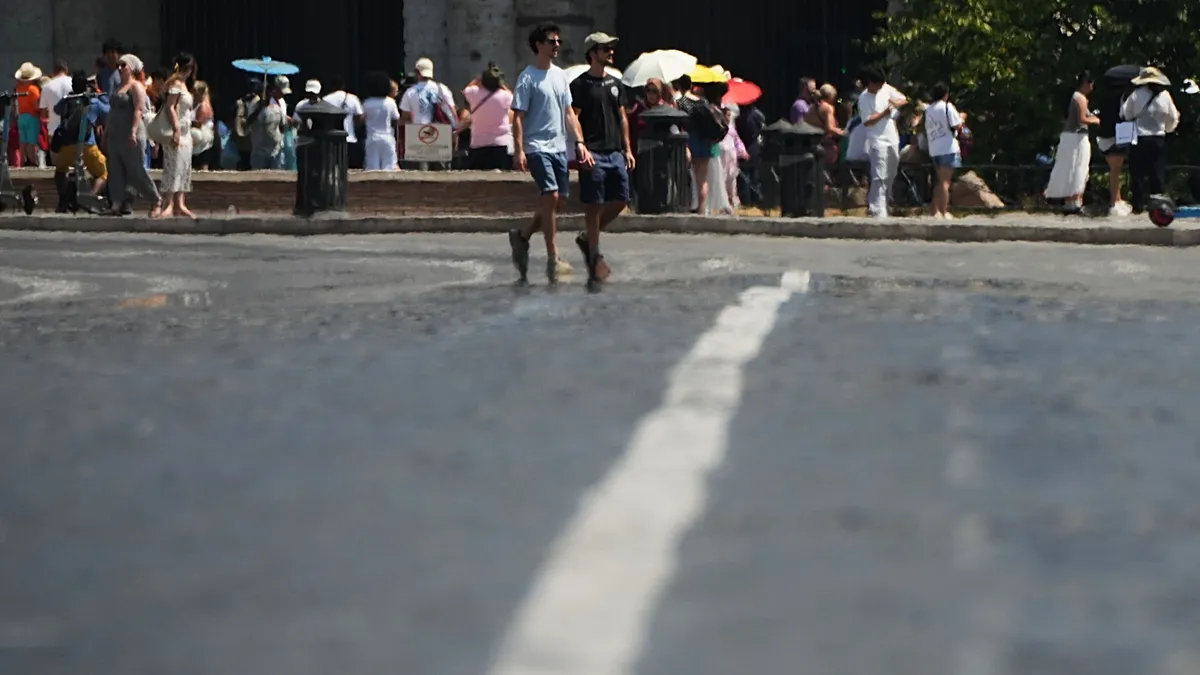
Farms, schools, rail and health services under strain as heatwave grips France
Heatwave Strains Farms, Schools, Rail, and Health Services in France Farms schools rail and health services - As an intense heatwave sweeps across France, the

Heatwave Strains Farms, Schools, Rail, and Health Services in France
Poinews.com – As an intense heatwave sweeps across France, the nation’s critical sectors—farming, education, transportation, and healthcare—are grappling with unprecedented challenges. The prolonged period of extreme temperatures has disrupted daily operations, prompting urgent adaptations to ensure safety and continuity. From rural vineyards to urban classrooms, the effects of the sweltering conditions are being felt nationwide, with officials and workers scrambling to mitigate the impact. The phrase “Farms schools rail and health” encapsulates the diverse areas under pressure, each experiencing unique stressors as the heatwave intensifies.
Agricultural Challenges Amid Rising Temperatures
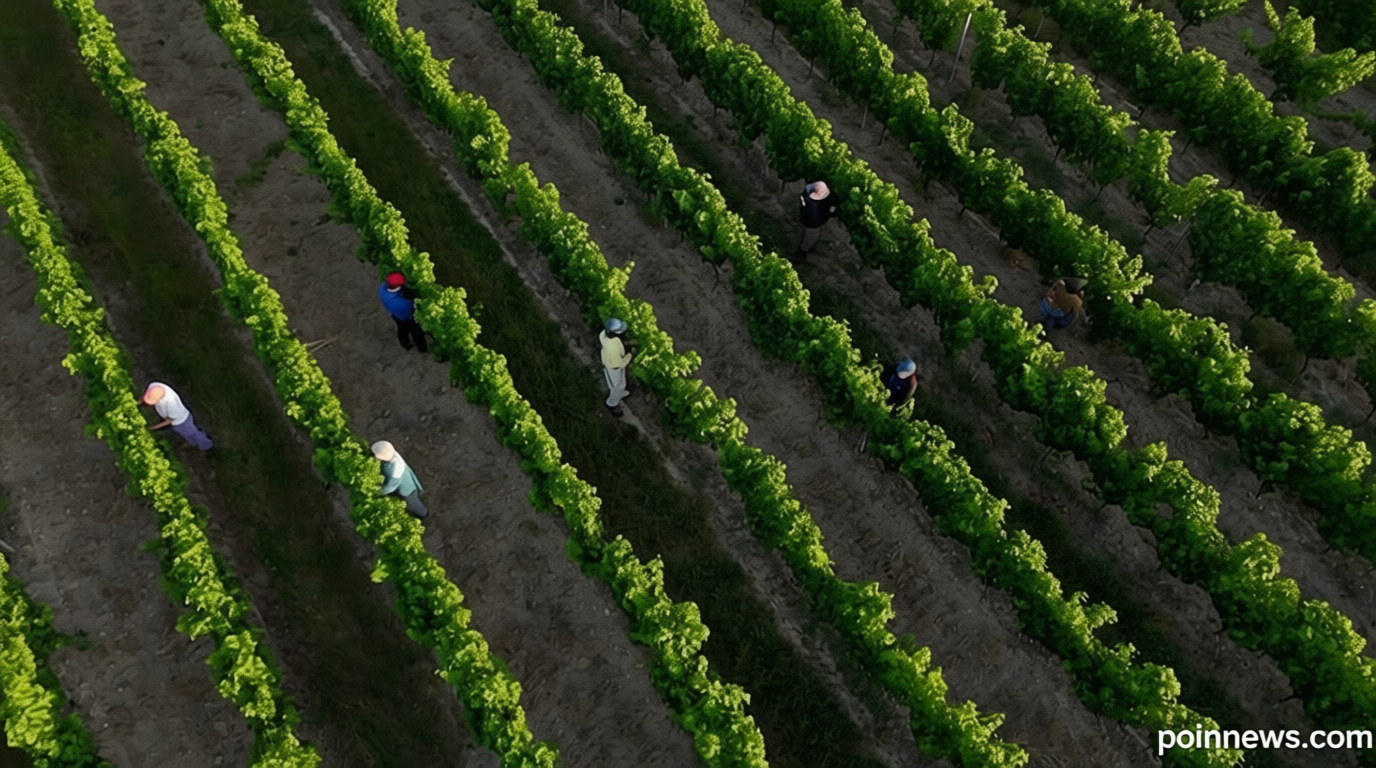
France’s agricultural industry is bearing the brunt of the heatwave, particularly in regions like the southwest where vineyards and crops are highly vulnerable to temperature fluctuations. At Chateau Latorse, a wine estate in the Gironde department, the team has restructured their work hours to start before sunrise and finish by midday, reducing exposure to the sweltering afternoon sun. This adjustment, though minor, reflects a broader trend as farmers across the country adopt emergency measures to protect both their produce and workers. In some areas, livestock are showing signs of heat stress, with dairy farmers reporting lower milk yields and plantations experiencing rapid soil dehydration. The situation has also led to increased irrigation demands, straining water resources and prompting concerns about sustainability.
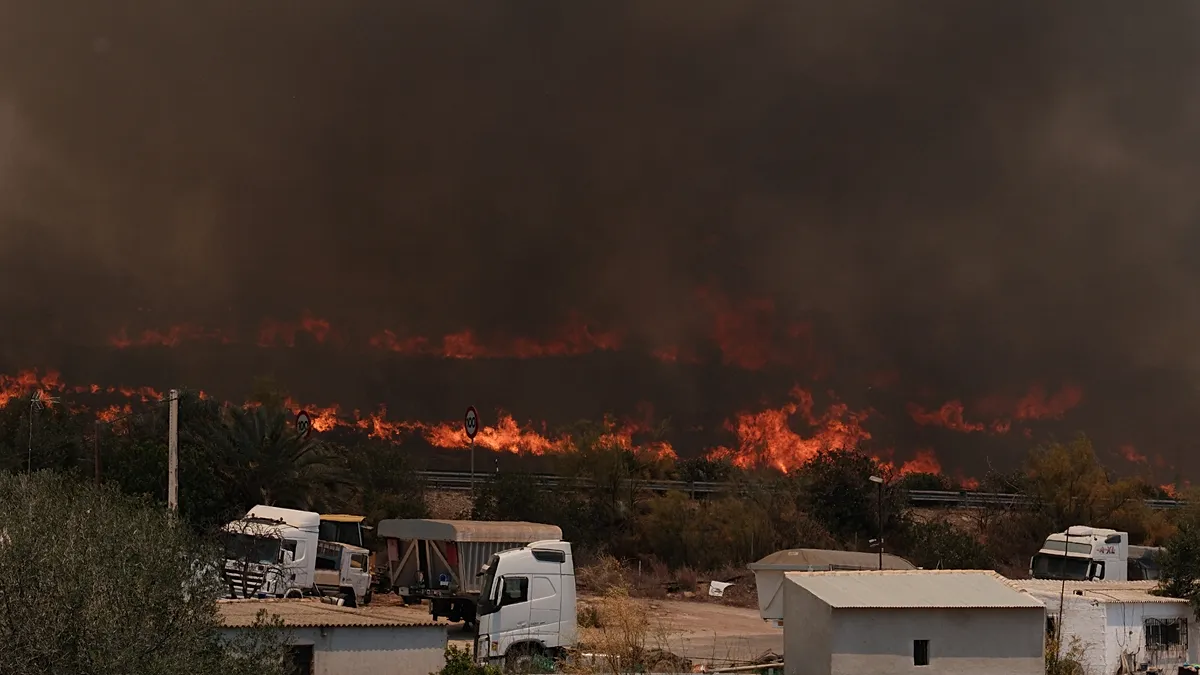
Experts warn that the heatwave’s effects extend beyond immediate labor adjustments. Prolonged drought conditions are exacerbating the risk of wildfires, forcing local authorities to implement stricter fire prevention protocols. Additionally, the timing of the heatwave—coinciding with peak growing seasons—has raised alarms about potential crop losses. While some farmers have invested in shade structures and cooling systems, the high costs of these interventions are a growing burden for small-scale operations. The agricultural sector’s struggles highlight the broader economic implications of climate-related disruptions, as food production becomes increasingly vulnerable to weather extremes.
Transportation and Public Health Pressures
The railway network, including SNCF services, is also facing significant strain due to the heatwave. High temperatures cause rails to expand, increasing the risk of derailments and track buckling, which has forced the company to reduce speeds on over 70 routes and delay departures. In cities like Paris and Lyon, commuters have reported overcrowded trains and extended wait times as schedules are altered to accommodate these risks. Meanwhile, public health services are inundated with cases of heat-related illnesses, especially among vulnerable populations such as children and the elderly. Hospitals have seen a surge in admissions for dehydration and heatstroke, with some facilities reporting longer wait times for emergency care.
Heatwave conditions have also disrupted school routines, with educators implementing cooling strategies to ensure student well-being. In some regions, schools have adopted staggered start times or shortened recess periods to minimize exposure to the heat. Others have taken more drastic measures, like closing classrooms for several hours or even temporarily relocating classes to air-conditioned spaces. These changes, while necessary, have added logistical complexity and raised concerns about the long-term viability of maintaining educational standards during extreme weather events. The situation underscores the need for adaptive infrastructure and emergency planning in public institutions.
Worker Safety and Adaptive Strategies
Worker safety has become a top priority across affected sectors. At Chateau Latorse, seasonal staff are now equipped with specialized gear, including moisture-wicking clothing and cooling vests, to combat the heat. Employers have also introduced hydration stations and frequent rest breaks to prevent heat exhaustion. Daniel Latorse, the estate’s director, emphasized that these measures are essential, saying, “Our workers are adapting to the heat, but we must prioritize their health to avoid long-term consequences.” Similar efforts are being made in construction and logistics, where teams are rotating shifts and using shade tents to create safer working environments.
Healthcare professionals are also taking proactive steps to manage the influx of heat-related cases. Mobile clinics have been deployed to high-risk areas, and public health campaigns are encouraging residents to stay hydrated and avoid prolonged sun exposure. However, the strain on medical resources is evident, with some regions reporting delays in non-emergency treatments. The French government has launched a task force to monitor the situation, allocating additional funds for cooling systems in schools and rail stations. These initiatives aim to provide relief while building resilience against future heatwaves, which are expected to become more frequent and severe.
As the heatwave persists, its impact on daily life is becoming more pronounced. In urban centers, electricity demand has spiked, with power grids struggling to meet the surge in air conditioning use. This has led to rolling blackouts in some areas, further complicating transportation and business operations. Meanwhile, in rural communities, water rationing has become a necessity, affecting both agriculture and domestic consumption. The combined effect of these disruptions is creating a ripple across the economy, with supply chains under pressure and consumers facing higher costs for essential goods.
The heatwave has sparked urgent calls for a long-term strategy to address climate change’s effects on infrastructure and public services. Environmental scientists note that the current event is part of a larger pattern, with record-breaking temperatures becoming the new norm in France and other European nations. This shift has forced governments and businesses to rethink their approaches to resilience, from investing in climate-adaptive technologies to revising labor laws for extreme weather conditions. The phrase “Farms schools rail and health” serves as a reminder of the interconnected challenges that climate change presents, requiring coordinated efforts to safeguard both people and systems.