US and Iran publicly trade threats as talks take place in Switzerland
US and Iran publicly trade threats as talks take place in Switzerland US and Iran publicly trade threats - As the U.S.

US and Iran publicly trade threats as talks take place in Switzerland
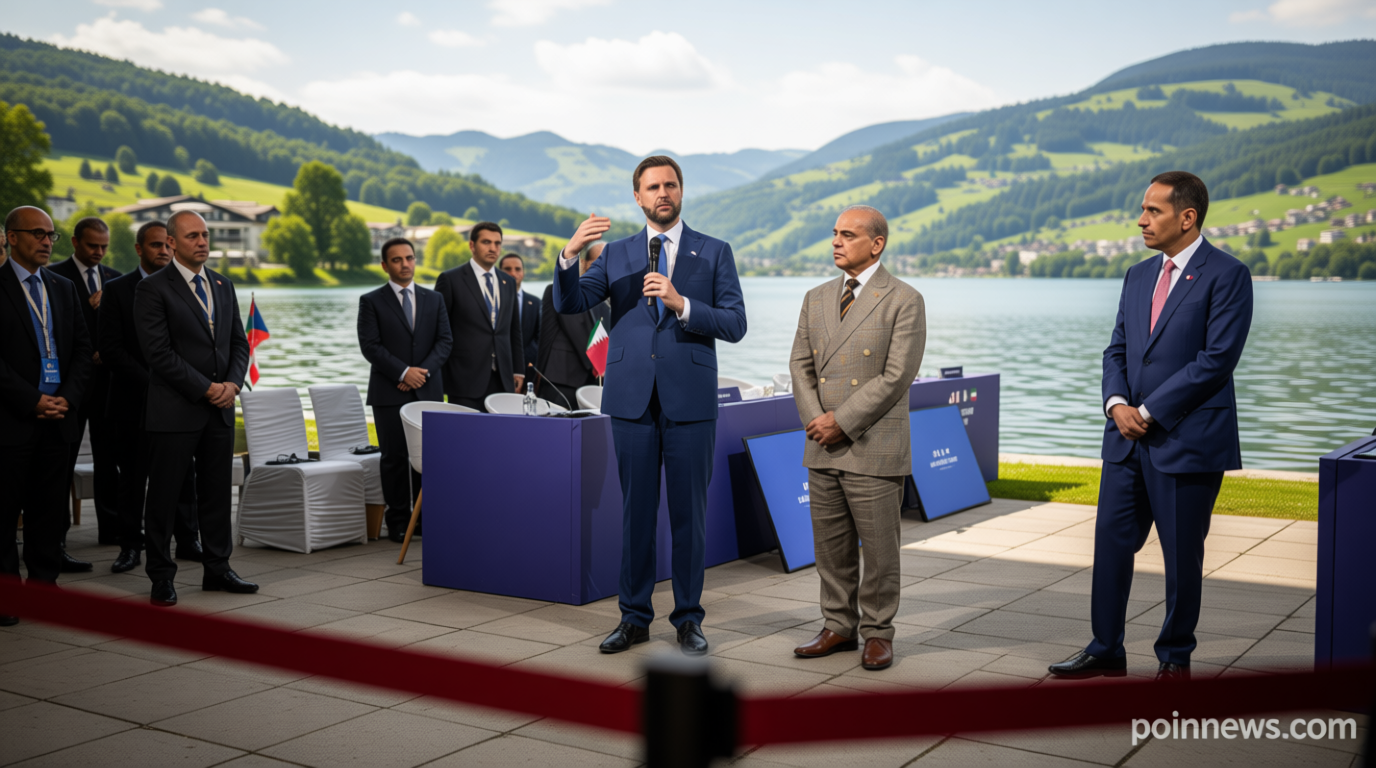
Poinews.com – As the U.S. and Iran continue to publicly trade threats, secret negotiations in Switzerland are shaping the future of Middle East tensions. The talks, held under the Swiss government’s diplomatic umbrella, aim to bridge deepening rifts between the two nations while maintaining a delicate balance of public posturing and private diplomacy. Despite the escalating rhetoric, the dialogue represents a critical opportunity to address key issues, including Iran’s nuclear ambitions, regional security concerns, and the status of the Strait of Hormuz, a crucial artery for global oil supply. The U.S. and Iran publicly trade threats not only to signal resolve but also to test each other’s commitments during the ongoing diplomatic process.
Strategic Escalation Amid Diplomatic Efforts
The U.S. and Iran publicly trade threats as a strategic tool to influence the outcomes of the Switzerland-based talks. During the negotiations, American officials emphasized the need for Iran to curb its support for proxy groups in the region, particularly Hezbollah, which has been involved in recent clashes with Israeli forces in Lebanon. In contrast, Iranian representatives asserted that their nation would not back down from its stance, warning that U.S. aggression would be met with proportional retaliation. This dynamic of the U.S. and Iran publicly trading threats highlights the tension between diplomacy and military readiness, as both sides prepare to escalate actions if necessary.
Iran’s Defensive Posture and the Hormuz Closure
Iran’s chief negotiator, Mohammad Bagher Ghalibaf, took a firm stand during the discussions, framing the U.S. and Iran publicly trading threats as a necessary response to American pressure. In a recent statement, he underscored that Iran’s military forces were ready to act decisively, regardless of the diplomatic efforts. The closure of the Strait of Hormuz, a vital waterway for global oil trade, has been a central issue in these talks. Iran’s decision to block the strait, in response to Israeli strikes in Lebanon, signals its intent to assert control over regional supply lines and challenge Western influence. This move has drawn concern from international allies, who fear potential disruptions to global energy markets.
Meanwhile, the U.S. and Iran publicly trade threats as part of their broader geopolitical rivalry. The closure of the Strait of Hormuz has been a recurring point of contention, with the U.S. urging Iran to keep the passage open to ensure uninterrupted oil flow. President Donald Trump’s recent threats against Iran, including a vow to strike harder if the country did not halt Hezbollah’s activities, have intensified the atmosphere of rivalry. In a statement on his Truth Social platform, he declared,
“If they don’t, we’ll hit Iran very hard again, just like we did last week, only harder.”
This aggressive rhetoric aligns with the U.S. and Iran publicly trading threats, as both nations seek to project strength in the face of uncertainty.
Israeli Prime Minister’s Resolve and Hezbollah’s Rejection
Israeli Prime Minister Benjamin Netanyahu has reinforced the U.S. and Iran publicly trading threats by reiterating his government’s firm position on regional security. Speaking at a press conference, he emphasized that Israel would maintain its security presence in southern Lebanon, stating,
“We will remain in the security zone in southern Lebanon for as long as necessary to protect the cherished residents of the north and all the citizens of Israel… Nothing will alter that commitment.”
His stance mirrors the U.S. and Iran publicly trading threats, as both countries leverage regional allies to pressure their counterparts. Hezbollah leader Naim Qassem, however, has rejected Israeli claims, asserting that Iran’s military support is essential for Lebanon’s sovereignty. He declared,
“Israeli troops remaining on Lebanese land is impossible.”
This exchange underscores the enduring rivalry between the U.S. and Iran publicly trading threats, with regional actors caught in the crossfire.
Historic Momentum and Uncertain Outcomes
Despite the fiery exchanges, the talks in Switzerland have maintained a sense of momentum, with U.S. Vice President Kamala Harris praising the dialogue as “historic.” In a statement, she asked,
“The question before us now is how much more can we accomplish together? Can we turn over a new leaf? Can we change relations in the Middle East permanently? Or do we go back to doing things the old way, which is not our preference, but it’s certainly very much something that can happen.”
This reflection on the U.S. and Iran publicly trading threats suggests that the negotiations are not just about immediate crises but also about redefining long-term alliances and rivalries. The key to success lies in whether both sides can reconcile their differences without letting the U.S. and Iran publicly trading threats derail the process.
As the U.S. and Iran publicly trade threats, the Swiss hosts have played a