EU sets stage for decoupling Moldova’s accession bid from Ukraine’s
EU Begins to Separate Moldova's Membership Process from Ukraine's EU sets stage for decoupling Moldova - The European Union has initiated a shift in Moldova's

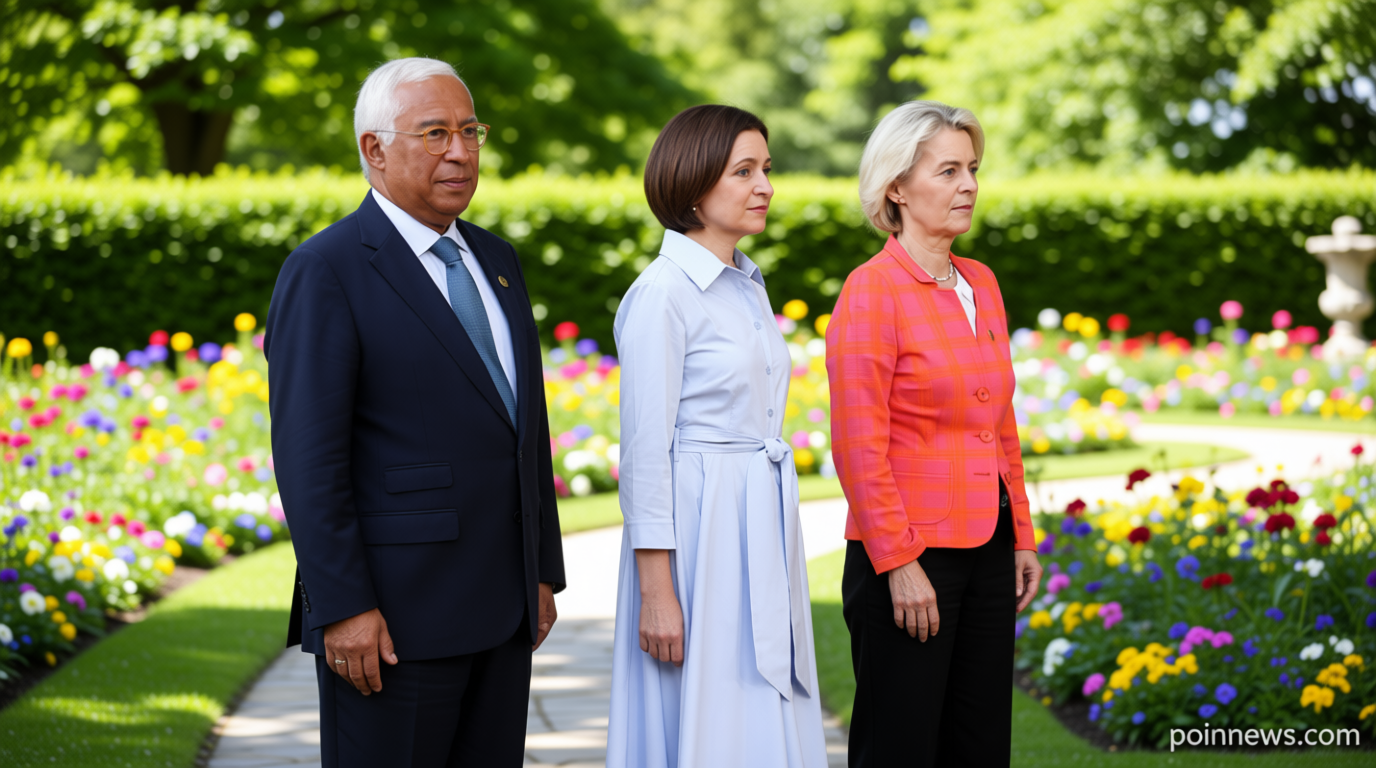
EU Begins to Separate Moldova’s Membership Process from Ukraine’s
Poinews.com – The European Union has initiated a shift in Moldova’s path toward EU membership, potentially unlinking its bid from Ukraine’s, following the resolution of Hungary’s prolonged objection. Both nations successfully navigated the two-year blockade imposed by Hungary, allowing the first stage of negotiations to commence. This development marks a pivotal moment in the ongoing dialogue about their respective futures within the bloc.
Strategic Pairing and the War’s Impact
Moldova and Ukraine have been collaboratively advancing their EU aspirations since the onset of Russia’s invasion, which sparked their simultaneous applications for membership. However, the question of whether Moldova should proceed independently from Ukraine has resurfaced, casting a shadow over their shared progress. Despite initial unity, the EU’s leadership now hints at a possible divergence in their accession timelines.
“Once the first cluster is open, every candidate country is responsible for itself, as they must meet distinct reform requirements,” stated Ursula von der Leyen, European Commission president. She emphasized that Moldova’s case is being evaluated separately, highlighting its merits without compromising the fairness of the process.
António Costa, European Council president, commended Moldova’s swift implementation of reforms, suggesting the remaining clusters could follow swiftly. “A merit-driven approach ensures that readiness is recognized, and fairness dictates that progress is earned,” he said.
Cluster Progress and EU Strategy
The EU’s accession process comprises 33 chapters organized into six clusters, with Moldova and Ukraine currently prepared to initiate all. Yet, only the first cluster—focusing on foundational reforms like rule of law and anti-corruption—has been activated. The remaining clusters, including critical areas such as judiciary and human rights, await further evaluation.
“As long as we are prepared, this advancement will happen without delay,” asserted Moldova’s President Maia Sandu. Her remarks underscore the urgency with which her government views the next steps in its integration journey.
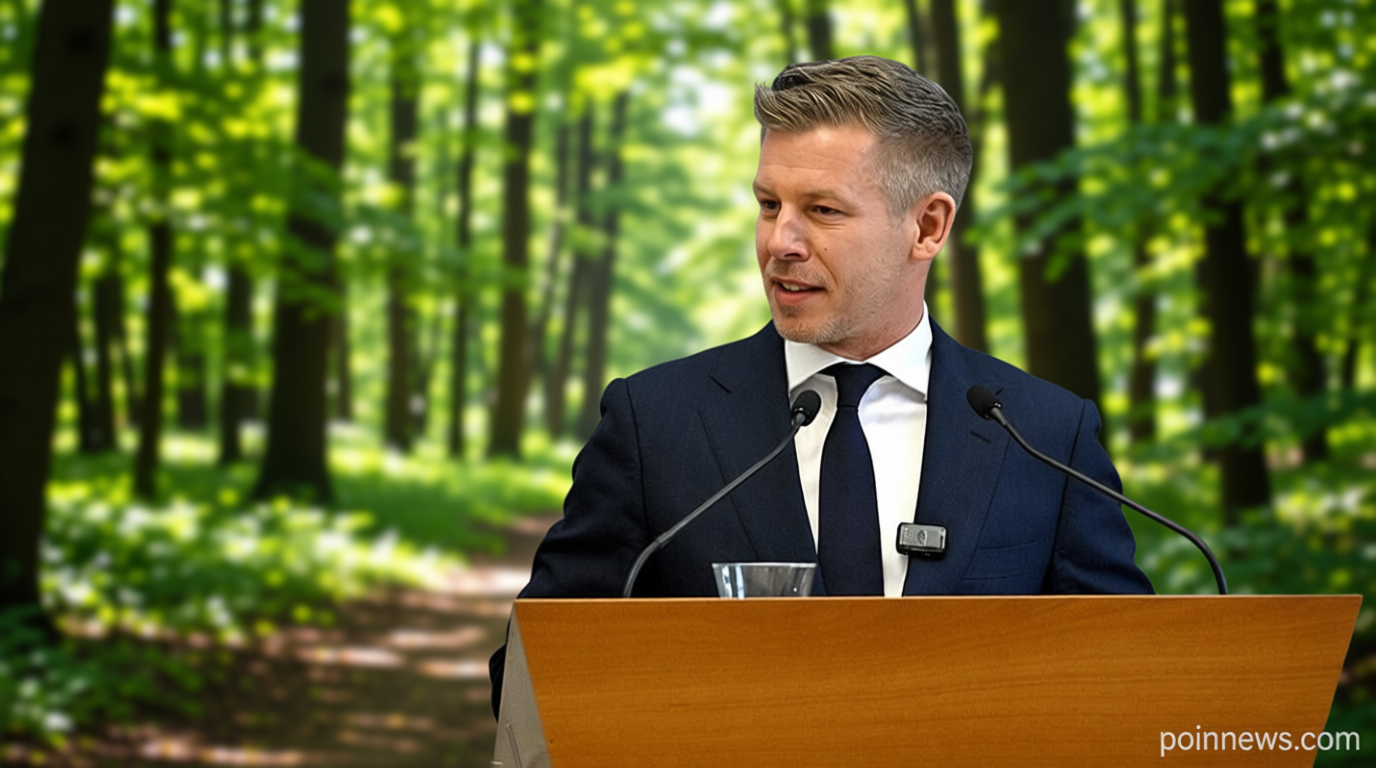
While Ukraine remains the focal point of EU enlargement discussions, Moldova’s bid has operated in the background, receiving minimal attention but also less political friction. During the recent EU leaders’ summit, Hungary’s new prime minister, Péter Magyar, resisted a joint declaration urging Ukraine to open all clusters “as soon as possible,” though he did not extend the same reservation to Moldova.
Implications of Decoupling
Brussels acknowledges that separating Moldova’s process from Ukraine’s is a matter of time, though the exact timing and method remain uncertain. Some analysts argue that keeping Moldova linked to Ukraine creates an artificial comparison between a nation at peace and one engaged in conflict. Others note that for Ukraine, such a move could risk undermining morale or sending mixed signals about its commitment to the EU.
“The first cluster was recently opened, and it is fully deserved by both Ukraine and Moldova,” said Ukrainian President Volodymyr Zelenskyy. “We are ready to continue, and we would be pleased to do so in tandem.”
Despite the potential for decoupling, the EU remains cautious, aiming to prevent a situation where Moldova advances without acknowledging Ukraine’s challenges. A single veto from Hungary or another member state could still halt the process, underscoring the delicate balance of political will and strategic priorities within the bloc.