Labour MPs mull leadership challenge after Starmer resigns
Labour MPs Mull Leadership Challenge After Starmer Resigns Labour MPs mull leadership challenge after - Following the unexpected resignation of British Prime

Labour MPs Mull Leadership Challenge After Starmer Resigns
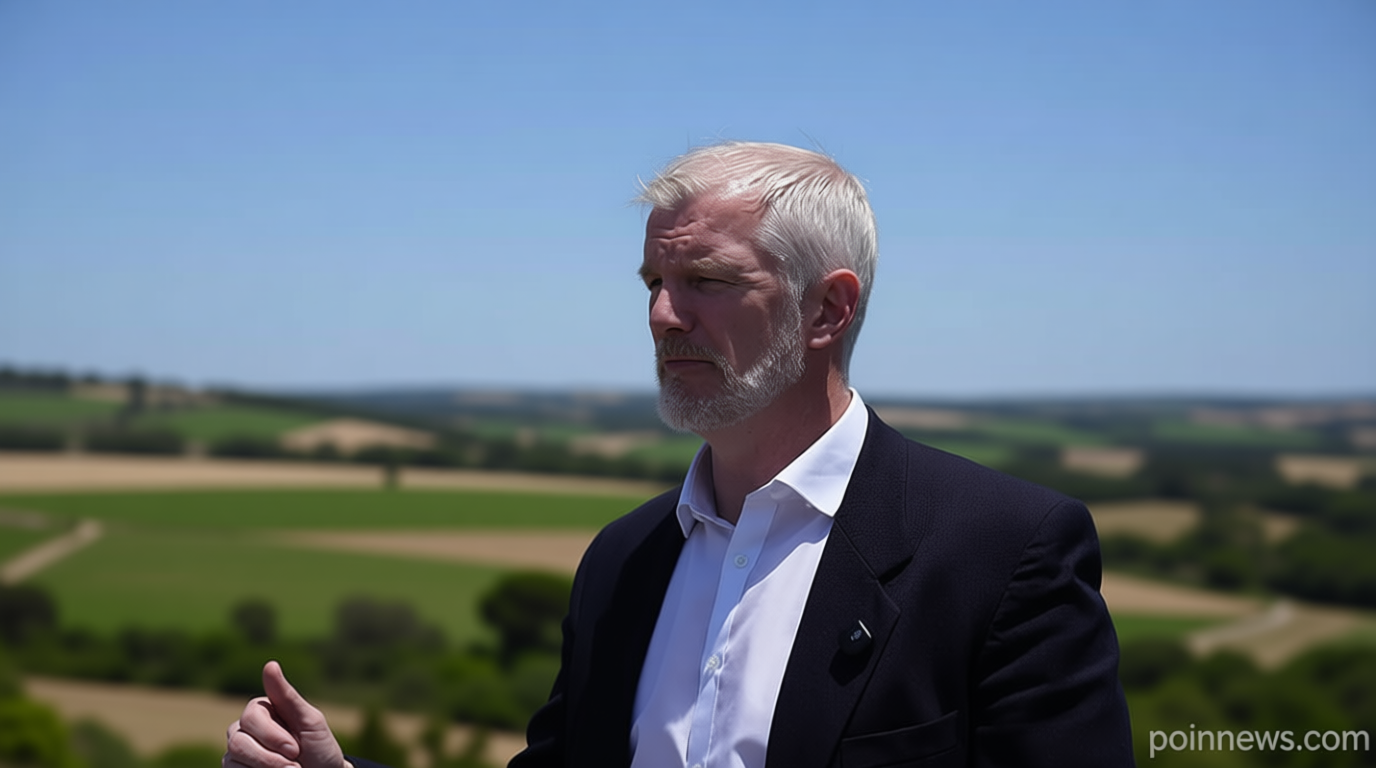
Poinews.com – Following the unexpected resignation of British Prime Minister Keir Starmer, Labour members of parliament have begun to explore potential leadership contenders, with the focus keyword “Labour MPs mull leadership challenge” emerging as a central theme in their deliberations. Starmer’s exit has created a vacuum at the top of the party, prompting a wave of discussions about who will lead Labour into the next phase of political strategy. Among the most prominent names in the running are Andy Burnham, the former Manchester Mayor, and Al Carns, a retired marine and former armed forces minister, who is reportedly considering a bid to succeed Starmer. Darren Jones, Starmer’s chief secretary, also appears to be contemplating a leadership campaign, aiming to position himself as a viable alternative.
The Candidates: A Closer Look at Burnham, Carns, and Jones
Andy Burnham, who previously held the Leigh parliamentary seat and served as a representative for Manchester, is seen as the frontrunner in the race. His recent by-election victory, where he secured 55% of the vote, has bolstered his credibility within the party. Burnham’s platform emphasizes local governance and a focus on regional development, aligning with his background as a former mayor. Meanwhile, Al Carns, known for his military career spanning 24 years, brings a different perspective to the table. His campaign highlights the need for a fresh approach to Labour’s agenda, particularly in addressing youth opportunities and strengthening the NHS. Darren Jones, on the other hand, is expected to leverage his experience as Starmer’s chief secretary and his longstanding representation of Bristol North West to advocate for continuity and stability in leadership.
“The Labour Party needs a leader who can unite the ranks and deliver a clear vision for the future,” Carns stated during an interview on ITV’s Peston political show. “We should not just be focused on individual ambitions, but on the national purpose that brought us together in the first place.”
The Leadership Process and Party Dynamics
The leadership challenge within Labour has reignited debates about the party’s internal structure and priorities. With Starmer’s resignation, the next leader will be determined through a vote by Labour MPs, a process that typically involves a two-stage ballot. Carns and Jones both require the support of 81 MPs to officially launch their campaigns, a threshold that underscores the level of consensus needed to claim the leadership. This requirement has led to speculation about potential alliances and the influence of Starmer’s former allies in shaping the outcome. The process is further complicated by the need to balance the party’s progressive ideals with its pragmatic appeal to voters, a tension that has been at the heart of Labour’s strategy for years.
Former Health Secretary Wes Streeting has withdrawn from the leadership race, endorsing Burnham after his recent by-election win. Streeting’s support signals a shift in the party’s direction, with Burnham positioned as a unifying figure capable of bridging generational and ideological divides. His platform, which includes pledges to protect public services and promote economic growth, has resonated with many MPs and grassroots members alike. However, the challenge remains significant, as the party must now navigate the aftermath of Starmer’s tenure and the expectations of a new era.
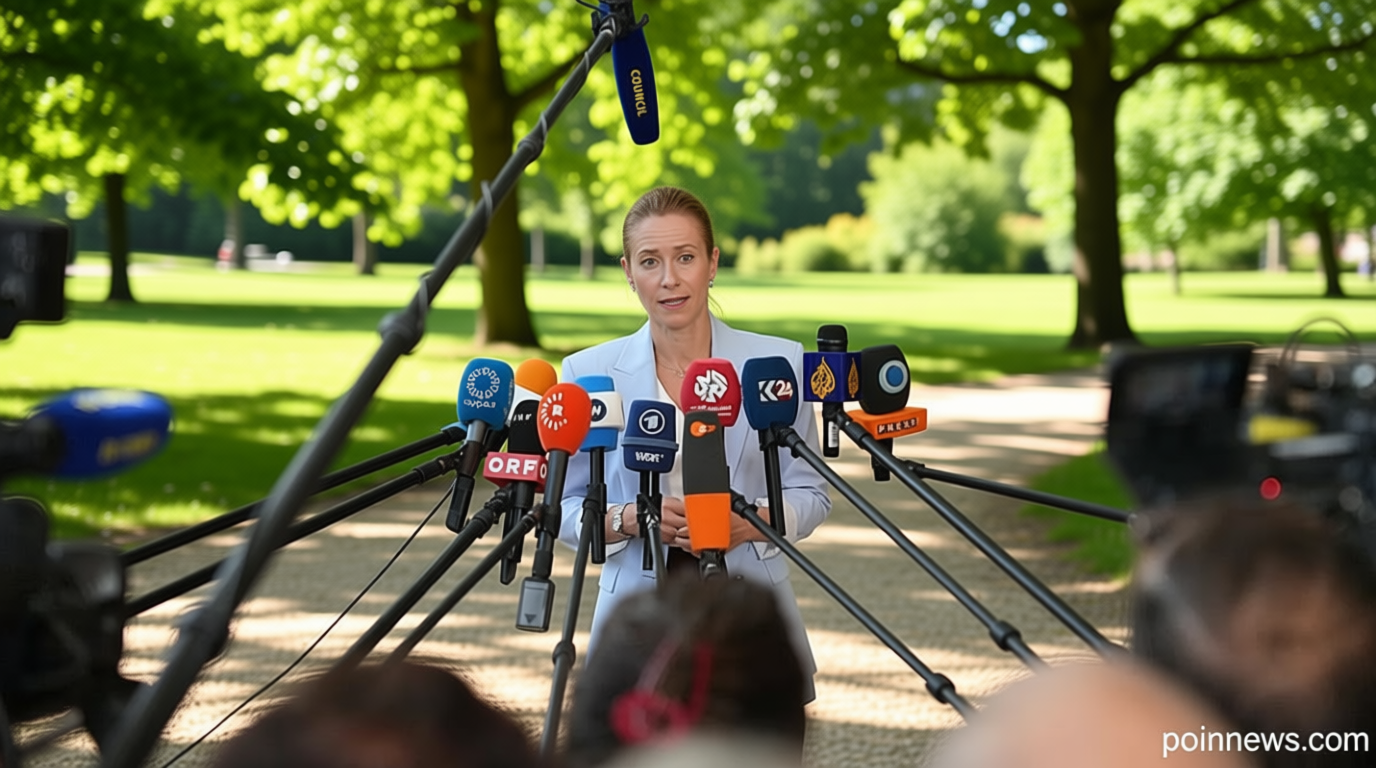
Starmer’s resignation was followed by a cabinet meeting on Tuesday, during which key decisions were made to stabilize the party’s operations. At Westminster on Monday, he was greeted by a mix of support and criticism as he addressed the House of Commons. His leadership, which had been marked by a focus on centrist policies and electoral success, will be scrutinized in the wake of his departure. The Labour Party now faces the task of selecting a leader who can address both internal divisions and the challenges posed by the Conservative government.
The leadership challenge is not merely about choosing a new figurehead; it represents a pivotal moment for Labour’s identity. With the focus keyword “Labour MPs mull leadership challenge” at the forefront, the party must decide whether to embrace change or maintain the status quo. This decision will have lasting implications for Labour’s approach to governance, its messaging to voters, and its ability to compete in the upcoming general election. The competition among candidates like Burnham, Carns, and Jones will likely shape the party’s future direction, with each vying to present a compelling vision for the UK’s political landscape.