Iceland kills first whales since 2023, resuming whaling
in Two Years Iceland kills first whales since 2023 - After a two-year hiatus, Iceland has resumed commercial whaling, marking the return of the practice with

Iceland Resumes Whaling with First Catches in Two Years
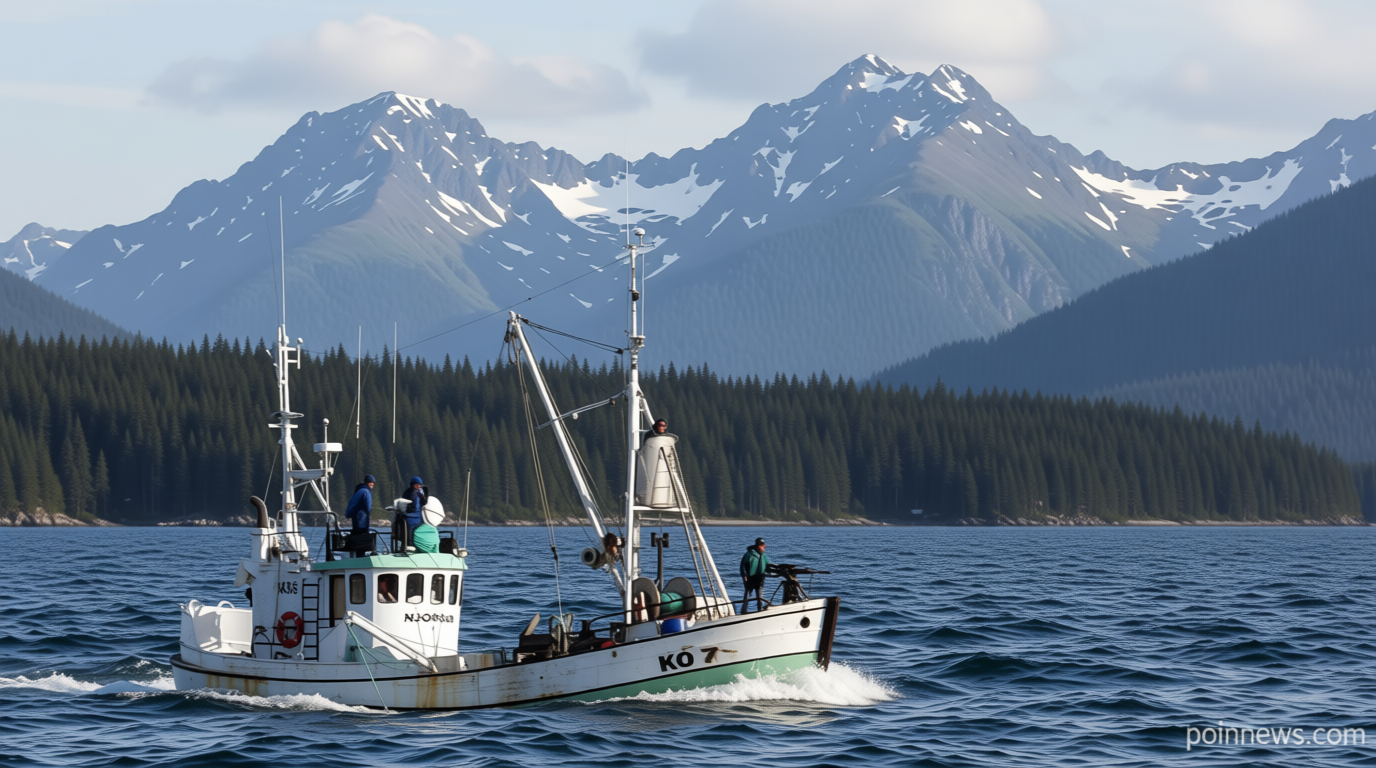
Poinews.com – After a two-year hiatus, Iceland has resumed commercial whaling, marking the return of the practice with the killing of its first whales since 2023. The resumption, which took place off the country’s coast, has reignited debates over the sustainability of the industry and its impact on marine ecosystems. Local media and animal rights advocates reported the event, highlighting its significance in the context of global conservation efforts. This action, though modest in scale, signals a shift in Iceland’s approach to whale hunting, balancing tradition with the need to address environmental concerns.
The Return of a Traditional Practice
Whaling has deep historical roots in Iceland, dating back centuries. The country has long relied on whale meat as a dietary staple and a cultural symbol, with the practice deeply embedded in its identity. The decision to restart the hunt was influenced by economic factors, as the whaling industry faced declining demand in recent years. However, with the current resumption, the focus has shifted to a more symbolic stance, reinforcing Iceland’s commitment to its heritage despite international pressure to reduce whale populations.
Global Context and International Criticism
Despite widespread global criticism, Iceland, Norway, and Japan remain the only countries that continue to permit open whaling. The International Whaling Commission (IWC), which banned commercial hunting in 1986, has consistently urged member states to adopt stricter conservation measures. Iceland’s recent activity comes as the IWC faces scrutiny over its ability to enforce quotas, with some arguing that the ban is not sufficient to protect vulnerable species. The resumption of whaling in Iceland adds to the ongoing discussion about the future of marine life conservation and the role of traditional practices in modern environmental policies.
Animal Rights Concerns and Conservation Efforts
“The first fin whale deaths in Iceland’s hunt this year are devastating,” said Joanna Swabe, European senior public affairs director for Humane World for Animals. She emphasized that the species, classified as globally vulnerable, has been hunted extensively over the past two decades, with Iceland accounting for a significant portion of the total. Critics argue that even with recent quota reductions, the scale of the hunt remains unsustainable, threatening the long-term survival of these majestic creatures. The incident has sparked renewed calls for stricter regulations and increased public awareness about the ecological consequences of commercial whaling.
Conservationists have long advocated for a complete ban on whaling, citing the decline in whale populations and the need to protect biodiversity. The 2026 season’s quotas, which include a 28% reduction from the 2018–2025 period, are seen as a compromise between tradition and ecological responsibility. However, activists stress that even a 28% decrease may not be enough to ensure the survival of species like the fin whale, which are already under threat from climate change and habitat loss. This underscores the complex interplay between cultural practices and environmental stewardship in the context of Iceland’s decision to resume whaling.
Economic and Environmental Balances
While the resumption of whaling is viewed as a step backward by some, it also reflects Iceland’s efforts to revive its maritime economy. The country’s whaling industry, which has faced financial challenges in recent years, has seen a gradual recovery. By reintroducing a limited hunt, Iceland aims to stabilize the market and provide economic benefits to coastal communities. This decision aligns with a broader strategy to manage marine resources in a way that supports both local livelihoods and sustainable practices. However, the challenge lies in ensuring that the industry’s resurgence does not jeopardize the fragile balance of oceanic ecosystems.
Environmental groups have raised concerns about the potential for overharvesting, particularly as whale populations struggle to recover from past declines. The Icelandic government’s latest quotas, which include a 28% reduction for fin whales and a 23% decrease for minke whales, are intended to reflect this commitment to sustainability. Yet, these adjustments are still met with skepticism, as critics argue that the numbers remain too high for the long-term health of the species. The resumption of whaling in Iceland highlights the ongoing tension between economic interests and conservation priorities, a debate that continues to shape global discussions on marine protection.
Government Plans and the Road Ahead
Amid the resumption of whaling, the Icelandic