German authorities carry out raids over alleged Russian gas sabotage
Over Alleged Russian Gas Sabotage German authorities carry out raids over - German authorities have launched a series of targeted raids across key cities in

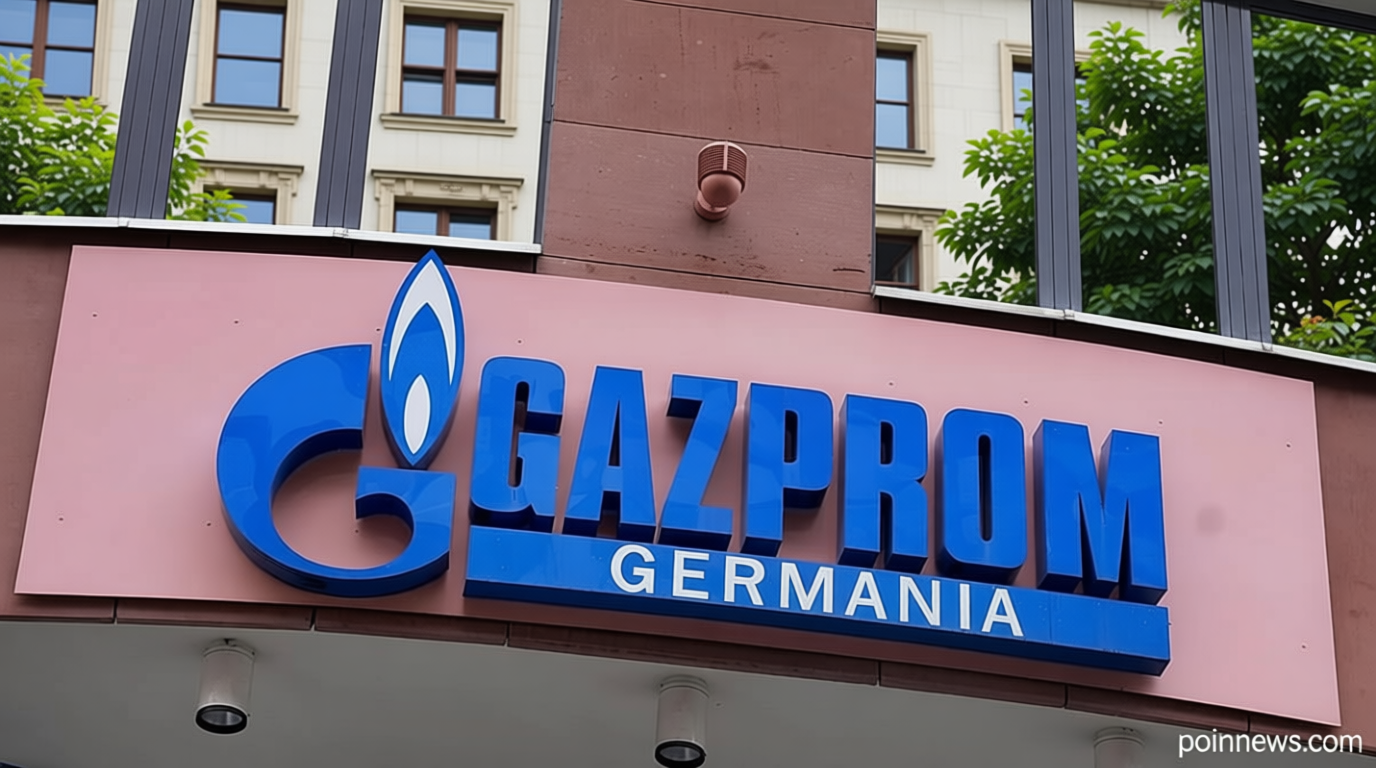
Table of Contents
German Authorities Carry Out Raids Over Alleged Russian Gas Sabotage
Poinews.com – German authorities have launched a series of targeted raids across key cities in response to claims of Russian gas sabotage. These operations, conducted on Wednesday, focused on Berlin and Frankfurt, where law enforcement agencies searched premises linked to a suspected plot to undermine Germany’s energy infrastructure. The investigation aims to uncover evidence of coordinated efforts to interfere with the country’s gas supply, a critical component of its energy strategy following Russia’s full-scale invasion of Ukraine in February 2022. The raids reportedly involved both a Russian national and an unidentified individual connected to a Moscow-based enterprise, highlighting the cross-border nature of the alleged conspiracy.
Background of the Investigation
According to federal prosecutors, the suspected saboteurs exploited indirect share transactions to acquire control of Gazprom Germania, the Russian gas giant’s subsidiary in Berlin. This transfer, finalized by late March 2022, marked a pivotal moment in the company’s ownership structure, with a previously unconnected Moscow-based entity becoming the new owner. At the time, Gazprom Germania held a significant stake in Germany’s natural gas reserves, making it a strategic target for potential disruption. Authorities allege that the accused Russian national played a central role in orchestrating the subsidiary’s dissolution, aiming to weaken Germany’s energy security and reduce its dependency on Russian gas.
Implications for Germany’s Energy Policy
Since the invasion of Ukraine, Germany has actively pursued measures to sever its reliance on Russian energy exports. The raids on Gazprom Germania are part of a broader crackdown on entities linked to Russian influence, reflecting the government’s determination to protect its energy supply chain. Former Chancellor Olaf Scholz has repeatedly emphasized the importance of energy independence, stating during a speech at an economic event hosted by Süddeutsche Zeitung that Germany must avoid repeating past mistakes. His remarks underscore the political urgency of the investigation, as the country seeks to align its energy policies with the European Union’s long-term goals.
Russia had long been Germany’s primary gas supplier, accounting for a substantial share of its energy imports. This dependency has now been challenged by the country’s rapid pivot toward renewable energy sources and partnerships with other European nations. The raids, however, are not merely symbolic; they are part of a legal strategy to hold accountable those who might have exploited their positions to sabotage critical infrastructure. Evidence collected during the searches is expected to form the basis of further charges against the accused individuals and entities.
EU’s Energy Independence Goals
The European Union has set an ambitious target to eliminate Russian gas imports by the end of 2027, aiming to establish a self-sufficient energy network across member states. This initiative, part of the EU’s broader energy security strategy, has gained momentum as countries like Germany accelerate their efforts to diversify energy sources. Cyprus’ energy minister, Michael Damianos, recently highlighted the significance of this goal, stating in a public address that the bloc is moving forward with a “determined resolve” to reduce reliance on Russian gas. His comments reflect a collective effort to ensure energy stability, even as geopolitical tensions persist.
The raids on Gazprom Germania also symbolize the EU’s growing scrutiny of Russian energy companies operating within its borders. By targeting potential threats to the energy supply, German authorities are reinforcing their commitment to safeguarding the bloc’s energy interests. The investigation may lead to stricter regulations on foreign-owned energy firms, particularly those with ties to Russia. As the EU moves toward energy autonomy, such actions are expected to bolster confidence among member states and consumers, demonstrating a unified front against external energy vulnerabilities.