London’s Met police to scale up use of drones and live facial recognition
London's Met Police to Scale Up Use of Drones and Live Facial Recognition London s Met police to scale - London’s Metropolitan Police is set to significantly

London’s Met Police to Scale Up Use of Drones and Live Facial Recognition
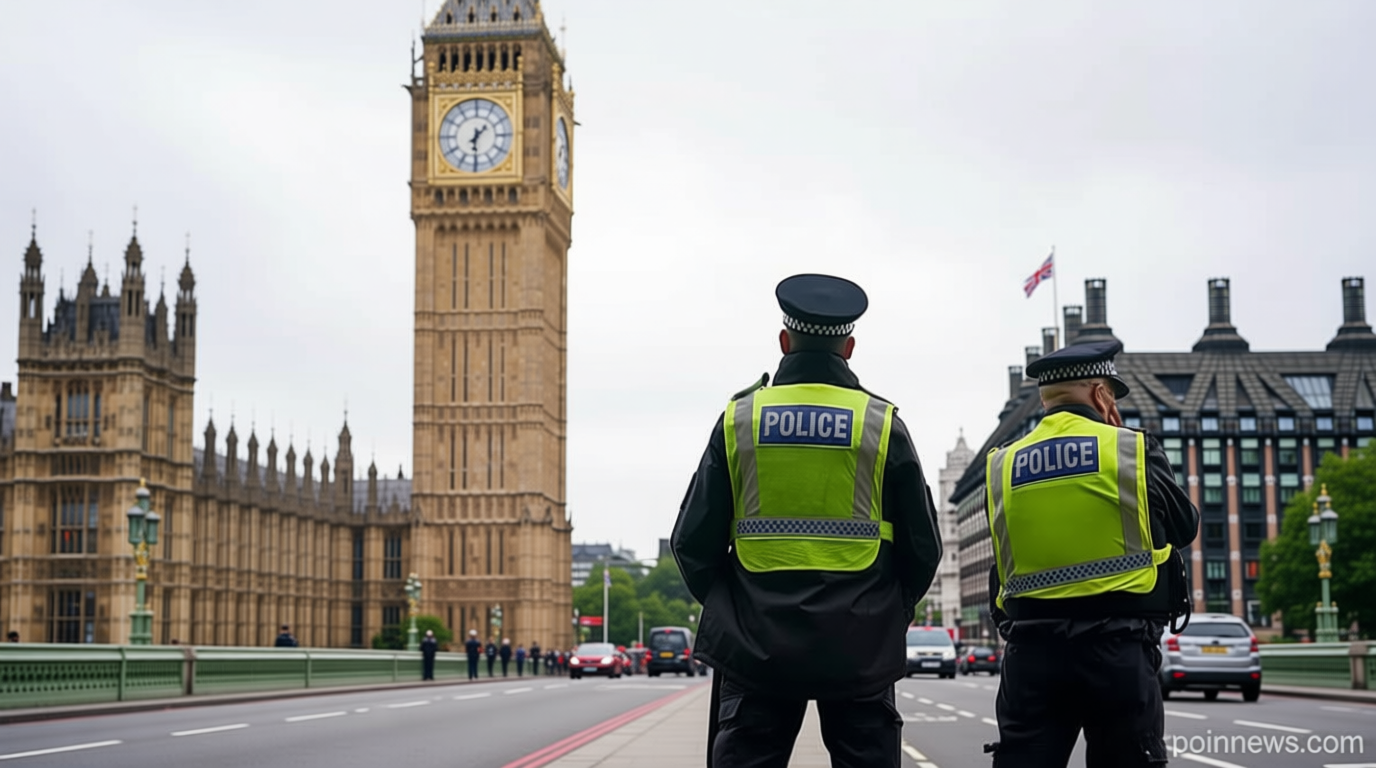
Poinews.com – London’s Metropolitan Police is set to significantly expand its use of drones and live facial recognition technology as part of a modernization effort to combat evolving crime trends. The decision, announced by Commissioner Mark Rowley, underscores the force’s commitment to leveraging advanced digital tools to enhance public safety. With the goal of scaling up operations, the Met aims to integrate these technologies more seamlessly into daily policing, ensuring they are deployed in a way that maximizes their potential while addressing growing public scrutiny.
Technology as a Tool for Enhanced Surveillance
The scale-up of drone deployment and facial recognition systems reflects a broader shift toward technology-driven policing in London. Rowley highlighted that criminals are increasingly using digital platforms to coordinate activities and avoid traditional surveillance methods. By scaling up their technological arsenal, the Met hopes to detect threats in real time, track suspects, and respond to emergencies with greater speed and precision. This approach aligns with the force’s vision of creating a more proactive and data-centric policing model.
Live facial recognition technology, already in use at high-traffic areas like transport hubs and shopping districts, will now be expanded to fixed cameras embedded in street infrastructure. These static devices will allow for continuous monitoring, enabling the Met to analyze patterns of movement and identify individuals of interest without the need for mobile units. The scaling of this system is expected to reduce response times and improve the accuracy of identification, though critics argue it could lead to over-surveillance.
Public Safety and Operational Efficiency
As part of its scaling initiative, the Met plans to work closely with emergency services such as the London Fire Brigade to establish a unified drone network. This collaboration will allow for shared data and resources, creating a more integrated and efficient system for tackling incidents ranging from traffic accidents to large-scale protests. The use of drones is also being expanded to monitor key infrastructure, such as bridges and tunnels, where traditional patrols may be less effective.
Rowley emphasized that the scaling of these technologies is essential for keeping pace with modern crime challenges. For instance, the Met has already reported that facial recognition contributed to over 2,000 arrests since its implementation in 2024, demonstrating its impact in identifying individuals who may be linked to criminal activity. By scaling up their use, the force aims to further reduce the backlog of cases and improve operational outcomes in a city that has seen an uptick in complex, tech-enabled crimes.
Concerns About Privacy and Accuracy
Despite the benefits, the scaling of drone and facial recognition systems has sparked debates over privacy and data security. Critics, including the civil liberties group Big Brother Watch, argue that the increased use of these tools could infringe on citizens’ rights. They point to instances where facial recognition systems have misidentified individuals, raising questions about the technology’s reliability. Silkie Carlo of Big Brother Watch warned that the Met’s scale-up could lead to “an extreme, militaristic form of surveillance,” urging lawmakers to introduce stronger safeguards.
“The Met’s scale-up of facial recognition and drones is a step toward a surveillance state where every citizen is monitored without their consent. Parliament must act to ensure these technologies are used ethically and transparently,” – Silkie Carlo.
Strategies for Implementation and Public Engagement
To support the scaling of these technologies, the Met has launched a public awareness campaign to explain their purpose and benefits. Rowley stated that the force is committed to balancing innovation with accountability, ensuring that data collected through drones and facial recognition is used appropriately. This includes measures to improve transparency, such as publishing information about the number of identifications made and the accuracy of the system. The Met also plans to involve local communities in discussions about the rollout of these technologies, aiming to build trust and address concerns.
While the Met has made progress in scaling up its use of drones and facial recognition, the process is not without challenges. Funding, public acceptance, and technical refinement are key factors in the successful implementation of these tools. Rowley acknowledged that the scaling of such technologies requires ongoing evaluation to ensure they meet the needs of the city’s policing demands without compromising individual freedoms. The force is also exploring partnerships with private technology firms to enhance the capabilities of its surveillance network.
As the Met continues to scale its technological initiatives, the debate over their impact on privacy and civil liberties is expected to intensify. Proponents argue that these tools are necessary to combat rising crime rates and protect public safety, while opponents call for stricter regulations to prevent misuse. With the city’s population growing and crime patterns becoming more sophisticated, the scaling of drones and facial recognition may become a defining feature of London’s policing strategy in the coming years.