Leonard Cohen estate slams use of ‘Hallelujah’ at Trump’s Freedom 250 rally
Leonard Cohen Estate Condemns Use of 'Hallelujah' at Trump's Freedom 250 Rally Leonard Cohen estate slams use of Hallelujah - On June 25, the Leonard Cohen

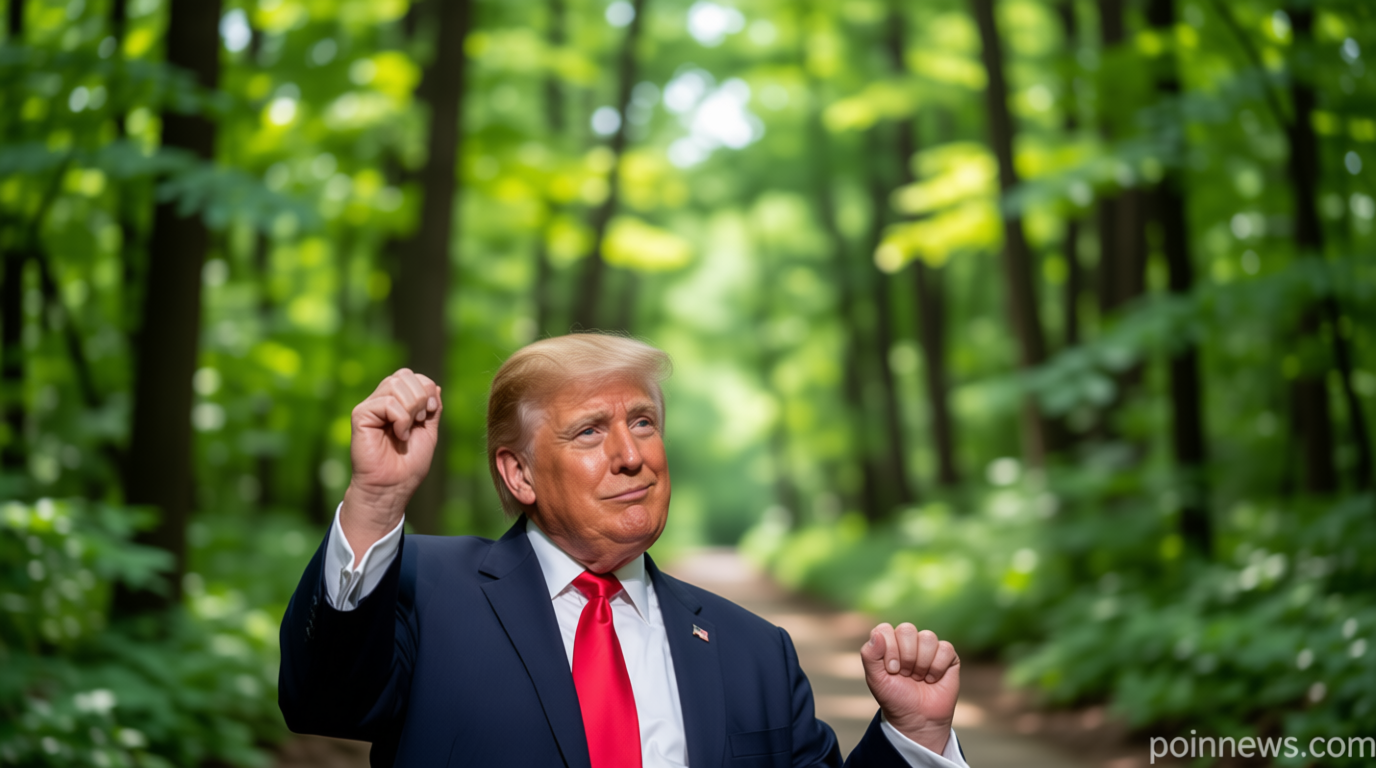
Leonard Cohen Estate Condemns Use of ‘Hallelujah’ at Trump’s Freedom 250 Rally
Poinews.com – On June 25, the Leonard Cohen Estate publicly criticized the use of his iconic song “Hallelujah” during a rally held at the Freedom 250 event in Washington, D.C., marking the United States’ 250th anniversary. The estate’s objection came as the rally, initially planned as a celebration of American heritage, sparked controversy over its political alignment and selection of musical performances. The focus keyword, “Leonard Cohen estate slams use,” encapsulated the growing tension between the artist’s legacy and the event’s association with President Donald Trump’s political agenda.
Context of the Song’s Controversial Performance
The Freedom 250 rally, which was intended to honor the nation’s history, faced backlash after several artists withdrew due to its ties to the MAGA movement. Among the key criticisms was the performance of “Hallelujah” by Christopher Macchio and Master Gunnery Sgt. Kevin Bennear of the U.S. Marine Band. The Leonard Cohen Estate swiftly issued a statement through the singer’s social media platform, asserting that the song’s use at the event was unauthorized. This declaration emphasized the estate’s commitment to protecting Cohen’s artistic integrity and highlighted the perceived political misuse of his work.
The estate’s message, ending with a reference to Truth Social, underscored the urgency of the issue. Despite the warning, the performance proceeded, with Macchio delivering a rendition that, according to critics, lacked the nuance of Cohen’s original. The singer’s public praise for Macchio on Truth Social earlier that year had set the stage for the controversial collaboration. This incident became a focal point for discussions about how music licensing and copyright rights intersect with political messaging.
Leonard Cohen Estate’s Stance on Political Usage
Leonard Cohen, known for his poetic lyrics and soulful delivery, had long been a cultural icon whose work resonated beyond mere entertainment. The estate’s objection to the song’s performance at the rally was part of a broader pattern of resistance from musicians against the political exploitation of their music. In October 2024, the estate had already requested Sony Music to issue a cease-and-desist letter regarding similar unauthorized uses of Cohen’s compositions in Trump’s campaign events. This latest incident reinforced their stance on maintaining the song’s artistic and emotional authenticity in public performances.
The use of “Hallelujah” at the rally was not the first time Cohen’s music had been tied to political events. Macchio had previously performed the song at the 2020 Republican National Convention, a move that drew mixed reactions. The Leonard Cohen Estate’s ongoing efforts to assert control over the song’s usage reflected a desire to preserve its legacy and ensure it was not co-opted for partisan purposes. This added another layer of scrutiny to the rally’s musical lineup, which had already been criticized for its alignment with Trump’s political base.
As the Great American State Fair continued over 16 days, it became a battleground for cultural and political narratives. The inclusion of Alexis Wilkins, a country singer with 5,620 monthly Spotify listeners and the girlfriend of FBI Director Kash Patel, further fueled debates about the event’s impartiality. Wilkins defended her participation on X, stating that her involvement was a personal choice and that she had earned the opportunity through her career. However, critics argued that her last-minute addition signaled a broader effort to align the event with Trump’s interests.
The rally’s blend of American history and political activism highlighted the complexities of public events in the modern era. While some praised the creative use of Cohen’s music to engage audiences, others saw it as a strategic move to associate the song with Trump’s centennial celebrations. The Leonard Cohen Estate’s continued emphasis on the song’s unauthorized use served as a reminder of the importance of protecting intellectual property in an age where music is often repurposed for political messaging. As the event unfolded, the debate over artistic expression and political influence remained at the forefront of public discourse.