Mediterranean travel trends: How ‘blue mind experiences’ and local culture keep people coming back
Mediterranean Travel Trends: Blue Mind Experiences and Local Culture Draw Repeat Visitors Mediterranean travel trends - As Mediterranean travel trends

Mediterranean Travel Trends: Blue Mind Experiences and Local Culture Draw Repeat Visitors
Poinews.com – As Mediterranean travel trends continue to evolve, the region’s enduring appeal lies in its unique ability to blend natural beauty with cultural richness. With the MGallery Trends 2026: The Mediterranean Briefing report revealing a growing demand for immersive, authentic experiences, travelers are increasingly seeking more than just sun-soaked beaches. Instead, they are drawn to destinations that offer meaningful connections to local traditions, history, and the tranquil rhythms of coastal life. This shift reflects a broader movement toward mindful exploration, where the Mediterranean’s distinct character becomes the cornerstone of repeat visits.
The Rise of Authentic Cultural Experiences
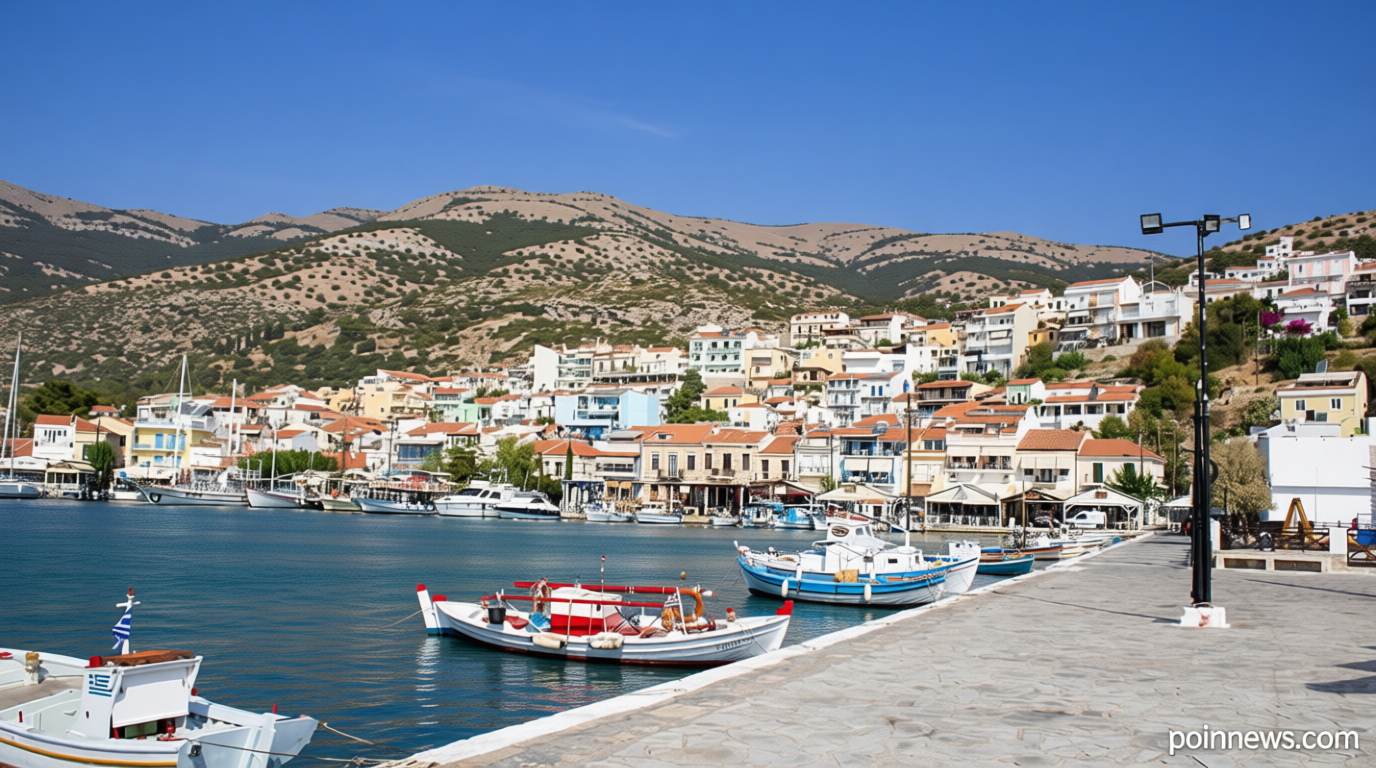
Mass tourism has given way to a more deliberate approach in the Mediterranean. Travelers are now prioritizing destinations that provide a deeper understanding of their heritage, from the vibrant street markets of Marrakech to the ancient ruins of Ephesus in Turkey. The report emphasizes that the Mediterranean region, spanning 22 coastal states, is no longer just a backdrop for leisure but a living tapestry of stories, crafts, and customs. For instance, visitors to Albania are exploring iso-polyphony folk singing, while those in Greece are engaging with shipbuilding traditions on Samos. These activities not only enrich the travel experience but also support local economies, creating a symbiotic relationship between tourists and communities.
Blue Mind Experiences: A New Frontier in Wellness Travel
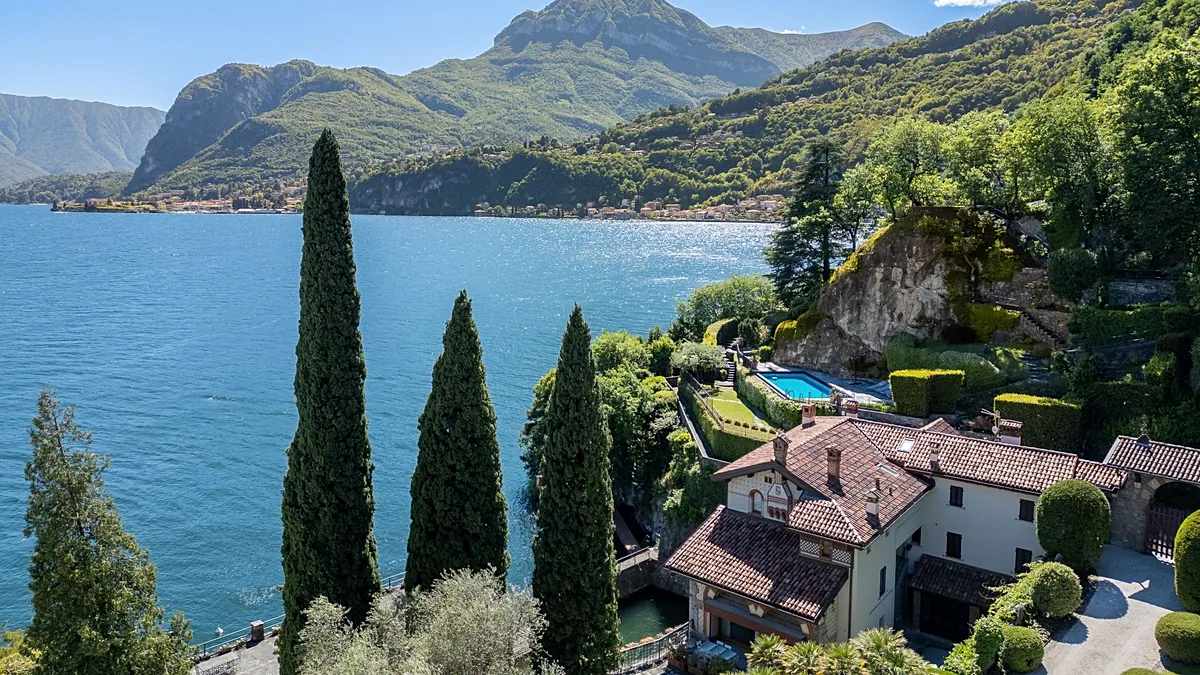
Another transformative force shaping Mediterranean travel trends is the concept of “blue mind experiences,” a term coined by marine biologist Wallace J Nichols to describe the mental and emotional benefits of being near water. The region’s natural coastlines and accessible waters have made it a prime location for such practices, with travelers opting for private boat rentals, water-centric hotel designs, and coastal yoga retreats. This trend underscores a growing desire to disconnect from digital overload and reconnect with the calming essence of the sea, making the Mediterranean a haven for restorative travel.
Hotels and tour operators are adapting to this demand by integrating eco-friendly practices and wellness-focused amenities. In Italy, for example, boutique resorts are offering guided meditative walks along the Amalfi Coast, while in Portugal, eco-conscious lodges are designed to minimize environmental impact while maximizing proximity to the ocean. These innovations not only align with the “blue mind” philosophy but also position the Mediterranean as a leader in sustainable tourism. By weaving wellness into the fabric of travel, the region is redefining how visitors engage with their surroundings.
The Comeback Effect: Why Travelers Are Returning Again and Again
Recurring visits to the same cities or hotels are becoming more common, but this trend is shifting. Instead of settling for the same routines, travelers are now seeking out hidden gems that offer a fresh perspective. This phenomenon, dubbed “The Comeback Effect,” highlights a desire for both familiarity and discovery. Returning visitors are actively searching for local producers, secluded beaches, and neighborhood eateries that lie beyond mainstream tourism. For example, in Spain, travelers are revisiting small coastal towns to experience traditional fishing practices and family-run olive oil tastings, which provide a contrast to the overcrowded resorts of the past.
Such deliberate returns also reflect a deeper emotional investment. The Mediterranean’s ability to evoke nostalgia and belonging is a key factor in its sustained popularity. According to the report, 62% of repeat visitors cite a sense of familiarity and comfort as a primary motivator. Yet, this comfort is now paired with curiosity, as travelers look to uncover new aspects of the region they’ve already loved. The result is a more intentional and enriching form of tourism that celebrates both the known and the undiscovered.
Preserving the Region’s Unique Identity Amidst Growth
As the demand for Mediterranean travel trends intensifies, the region faces the challenge of balancing popularity with preservation. Overcrowding in iconic spots like Barcelona and Santorini has raised concerns about the erosion of local culture and natural landscapes. However, the emphasis on authenticity is helping to mitigate these issues. Destinations are now promoting lesser-known areas—such as the hidden coves of Corsica or the historic villages of Crete—to spread the tourist load and protect the region’s unique charm.
Furthermore, the integration of cultural storytelling into marketing strategies is playing a crucial role. Travelers are responding to narratives that highlight the human element behind the destinations, from the art of sipping ouzo in Greece to the rituals of tea ceremonies in Turkey. This approach not only enhances the traveler’s experience but also fosters a sense of responsibility toward preserving the Mediterranean’s heritage. By aligning with local values and traditions, the region is ensuring that its future remains as vibrant and diverse as its past.
With the Mediterranean’s natural and cultural assets at the heart of modern travel, the region is poised to thrive in the years ahead. As Mediterranean travel trends continue to prioritize depth, sustainability, and personal connection, the destination’s allure will remain timeless. Whether through the meditative presence of water, the richness of local culture, or the comfort of returning to familiar places, the Mediterranean is proving that true travel is not just about seeing new sights, but about experiencing the essence of a place with intention and respect.