Marco Rubio announces Israel-Lebanon framework deal, hailing it as first step toward peace
Marco Rubio Announces Israel-Lebanon Framework Deal as Peace Move Marco Rubio announces Israel Lebanon framework - US Secretary of State Marco Rubio has

Marco Rubio Announces Israel-Lebanon Framework Deal as Peace Move
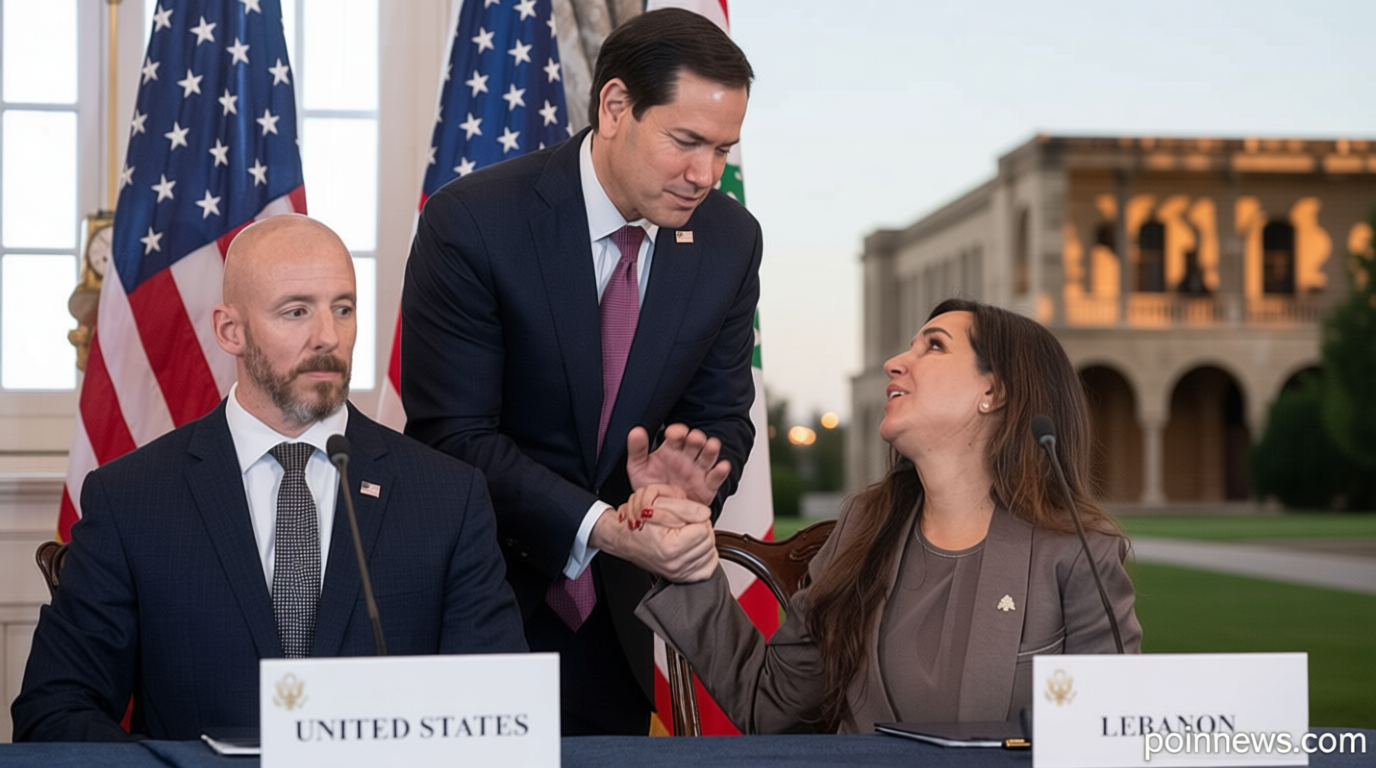
Poinews.com – US Secretary of State Marco Rubio has unveiled a groundbreaking agreement between Israel and Lebanon, marking a pivotal moment in the long-standing conflict. The framework deal, signed in Washington, D.C., involves Israeli and Lebanese diplomats alongside US representatives, and is hailed as a potential breakthrough in securing lasting peace. Rubio emphasized that this accord represents a significant step toward resolving tensions that have plagued the region for decades, particularly those involving Hezbollah, a powerful militant group backed by Iran. The agreement aims to establish a structured framework for cooperation, ensuring both nations can address security concerns while working toward mutual understanding.
Context of the Ongoing Conflict
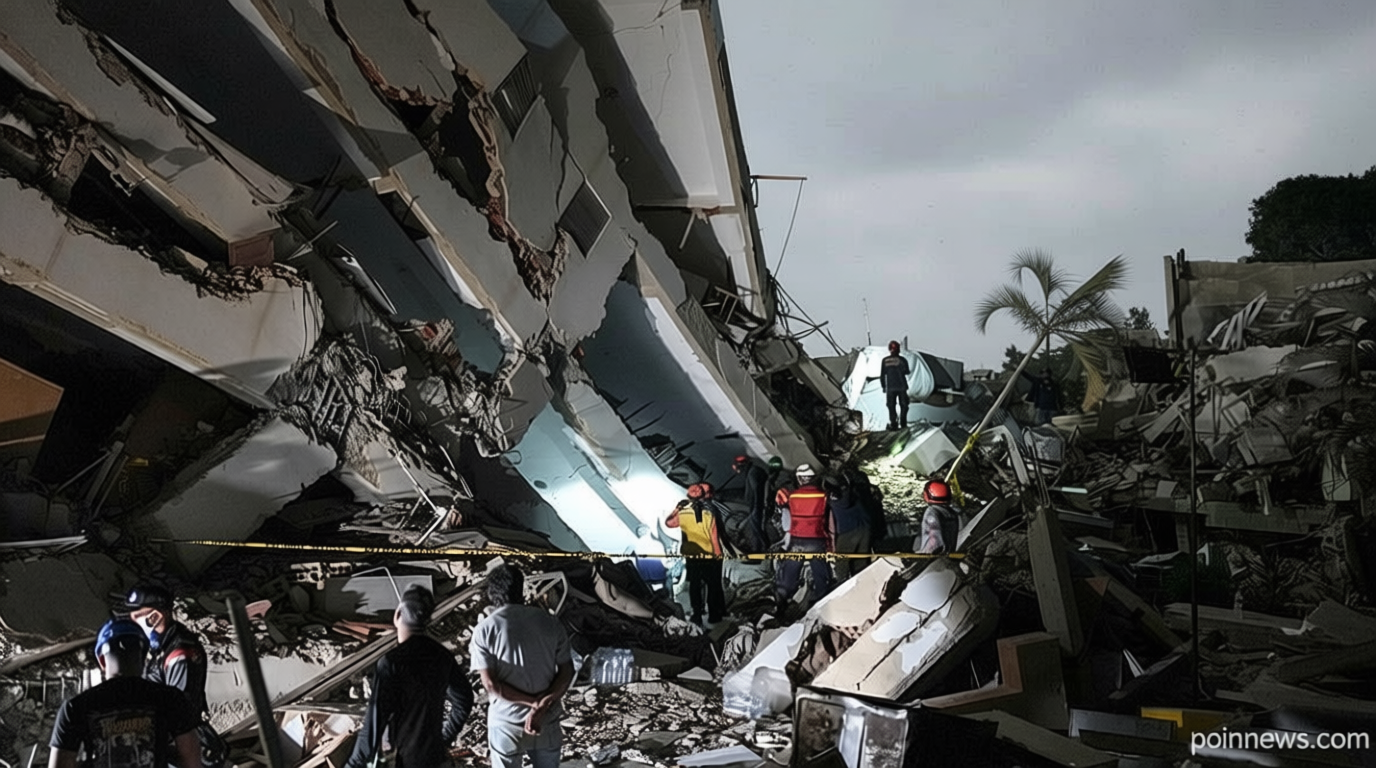
The Israel-Lebanon conflict has deep historical roots, dating back to the 1970s when Hezbollah emerged as a key player in Lebanese politics. The current crisis, however, intensified in early 2026 following a series of coordinated attacks by Hezbollah on Israeli territory. These strikes, which targeted military installations and civilian infrastructure, prompted Israel to launch a major operation in southern Lebanon, drawing international criticism for its scale. By late March, the death toll had surpassed 4,000 Lebanese civilians, with over 37 Israeli soldiers also killed. Despite temporary pauses in fighting, the situation remained volatile, with both sides accusing each other of aggression.
Analysts note that the framework deal comes after months of diplomatic efforts, including high-level talks between the US and Lebanon’s government. The agreement’s focus on disarmament and territorial boundaries reflects a strategic shift in negotiations, as both nations seek to reduce the risk of further escalation. Lebanon’s President Joseph Aoun has expressed cautious optimism, highlighting the potential for the deal to restore stability and rebuild trust in the region. Meanwhile, Israel’s leadership has emphasized the importance of neutralizing Hezbollah’s threat to national security, a goal they believe the framework addresses.
Key Provisions of the Framework Agreement
The Israel-Lebanon framework deal outlines several key provisions designed to create a balanced approach to conflict resolution. Central to the agreement is the establishment of a joint security zone in southern Lebanon, where Israeli forces will maintain a presence while Lebanese troops take control of border regions. This arrangement is intended to prevent future attacks from Hezbollah while ensuring Lebanon retains sovereignty over its territory. Additionally, the deal includes a timeline for Hezbollah’s disarmament, with the group required to dismantle its military infrastructure within 18 months.
Rubio, who led the negotiations, stated that the framework was crafted to address both sides’ core priorities. “This agreement is not just a truce, but a foundation for long-term peace,” he said. The deal also incorporates mechanisms for regular diplomatic dialogue, with quarterly meetings between Israeli and Lebanese officials to monitor progress and address disputes. While the specifics of the agreement remain classified, officials confirmed that it includes provisions for humanitarian aid to affected communities and economic cooperation to foster regional development.
Lebanon’s ambassador, Nada Hamadeh, underscored the significance of the deal, noting that it could pave the way for broader Middle East peace efforts. “The Israel-Lebanon framework is a testament to our shared commitment to ending the cycle of violence,” she said. However, she also acknowledged that challenges remain, particularly regarding Hezbollah’s willingness to comply with disarmament terms. The agreement’s success will depend on the group’s adherence to the outlined conditions, which could influence its political influence in Lebanon.
Challenges and Path Forward
Despite the positive momentum, the Israel-Lebanon framework deal faces several hurdles. Hezbollah’s leadership has yet to formally endorse the agreement, with some members arguing that it compromises their strategic position in the region. Additionally, the Lebanese government must secure approval from its parliament, which has shown mixed support for the deal. “While the agreement is a step in the right direction, we need to ensure it aligns with Lebanon’s national interests,” said a spokesperson for the Lebanese Foreign Ministry.
The path to implementation requires careful coordination. Israel plans to deploy its military to the designated zones, while Lebanon will establish a monitoring system to verify compliance. The US will play a mediating role, providing financial and logistical support to facilitate the process. However, the agreement’s durability depends on external factors, including Iran’s stance on Hezbollah and regional powers’ influence. Rubio highlighted the importance of sustained international backing, stating that the deal’s success will be measured by its ability to reduce violence and promote dialogue.
Experts suggest that the framework deal could serve as a model for similar agreements in the region. By creating a structured process for conflict resolution, it offers a template for addressing disputes with other actors, such as Syria and Hamas. “This is a crucial moment for the Middle East,” said Dr. Amina Al-Faraj, a political analyst based in Beirut. “The Israel-Lebanon framework not only addresses immediate security concerns but also sets the stage for broader peace initiatives.” Nevertheless, the agreement remains a work in progress, with ongoing discussions to refine its terms and address concerns from all parties involved.
International Reactions and Strategic Implications
The announcement of the Israel-Lebanon framework deal has drawn reactions from global leaders. European Union representatives praised the agreement for its potential to stabilize the region, while the United Nations expressed hope that it would contribute to reducing civilian casualties. The deal also aligns with US President Joe Biden’s vision of a Middle East peace corridor, which seeks to involve regional allies in resolving long-standing conflicts.
Strategically, the framework could reshape the balance of power in the region. By securing Hezbollah’s compliance, Israel may gain a strategic advantage in its eastern front, while Lebanon could assert greater control over its borders. This shift might also impact Lebanon’s relations with its neighbors, particularly Syria, which has historically supported Hezbollah. Analysts warn that the deal’s long-term success will hinge on Lebanon’s ability to maintain political unity and resist external pressures. “The Israel-Lebanon framework is a victory for diplomacy, but it’s also a test of Lebanon’s internal cohesion,” said former diplomat Hassan Al-Rami.
For Marco Rubio, the deal represents a landmark achievement in his tenure. The Secretary of State has consistently advocated for a peaceful resolution to the Israel-Lebanon conflict, and this agreement reflects his efforts to bridge divides. However, the framework’s impact on the broader Israeli-Palestinian issue remains uncertain. While some view the deal as a positive sign for regional stability, others caution that it could create new tensions if Lebanon’s internal dynamics shift. “The focus keyword is an essential part of this historic agreement, and its implications will be felt far beyond the immediate conflict zones,” Rubio noted in a press conference following the deal’s announcement.