Going on holiday to this beach? Wild boars may steal your lunch
Going on holiday to this beach? Wild boars may steal your lunch Unexpected Encounters at Popular Coastal Spots Going on holiday to this beach - Wild boars in

Going on holiday to this beach? Wild boars may steal your lunch
Unexpected Encounters at Popular Coastal Spots
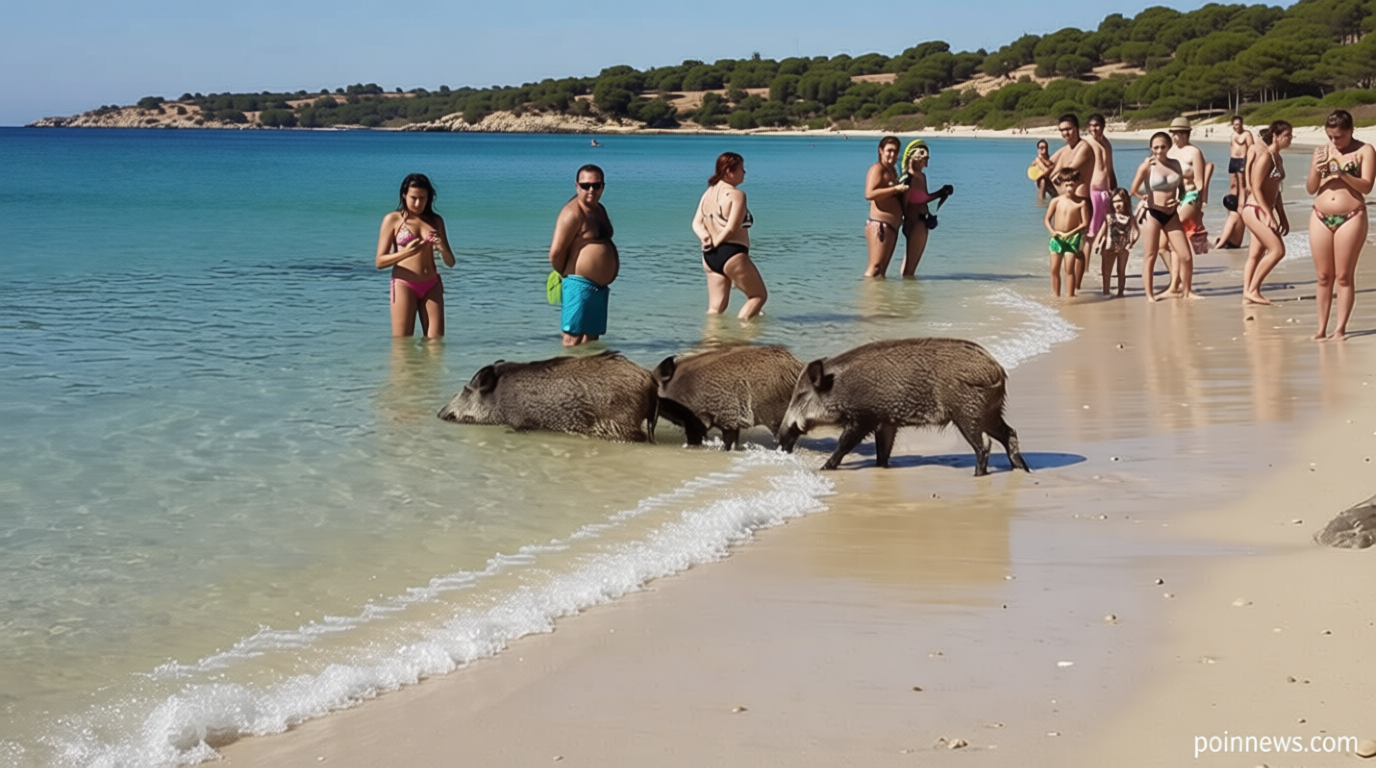
Poinews.com – Wild boars in the Serra da Arrábida region of Portugal are no longer a rare sight, but their presence has grown more frequent near tourist-heavy areas. Recently, these animals have been spotted near beaches, where they rummage through belongings left by visitors. The phenomenon has gained attention, especially with incidents occurring more often during the summer months when food waste from beachgoers is abundant.
Footage shared on social media this week highlights wild boars stealing food from bathers at Portinho da Arrábida beach. The videos show the creatures approaching towels and picking through leftover snacks, often without human interference. Such scenes have become a talking point for travelers planning visits to the area, raising awareness about the need for caution.
Beaches with High Boar Activity
Portinho da Arrábida, along with Creiro and Galapinhos, ranks among the most affected beaches in the Setúbal district. Galapinhos, in particular, is known for frequent boar sightings, as it lies deep within the Serra da Arrábida. Despite being named Europe’s most beautiful beach in 2017, its natural charm now coexists with wildlife encounters.
For tourists, these encounters can be surprising, while locals view them as a regular part of life. Although boars are a common sight, their presence sometimes sparks worry, especially when they access food supplies. Conservation efforts are focusing on managing this growing interaction between humans and wildlife.
Managing the Boar Population
This year, the number of wild boar culling operations in the Serra da Arrábida has risen sharply. According to the Institute for Nature Conservation and Forests (ICNF), 85 capture efforts have been approved, involving methods such as controlled hunting and trapping near beaches or food sources. These actions aim to reduce the population while balancing ecological needs.
“The wild boar population in the Arrábida Natural Park remains large and stable, with a slight increase in the numbers culled. The annual count of animals removed from the park ranges between 600 and 700,” said ICNF.
Experts emphasize that culling alone isn’t sufficient. They recommend ongoing monitoring to ensure the boar population stays in check and to address the ecological impact of their increasing numbers. The challenge of managing these animals is now a key focus for environmental authorities in the Setúbal region.
Wild boars are also becoming more common in urban zones, as they descend from the mountains in search of food. This trend underscores the need for coordinated strategies to prevent conflicts between wildlife and humans, both in natural and developed areas.