Porsche plans Cayenne return to Leipzig as staff face pay cuts
Porsche plans Cayenne return to Leipzig as staff face pay cuts Porsche plans Cayenne return to Leipzig, marking a pivotal shift in the automaker’s production

Porsche plans Cayenne return to Leipzig as staff face pay cuts
Poinews.com – Porsche plans Cayenne return to Leipzig, marking a pivotal shift in the automaker’s production strategy. The decision to relocate the Cayenne model from Slovakia’s Bratislava to the Leipzig plant in Saxony reflects Porsche’s ongoing efforts to optimize costs and adapt to evolving market demands. While the move is expected to streamline manufacturing processes, it also brings challenges, particularly as employees at the Leipzig facility are preparing for potential salary reductions to bridge the financial gap between Slovakia and Germany. This adjustment underscores the complex balance between operational efficiency and workforce management in the competitive automotive industry.
The Strategic Move Behind Cayenne’s Return to Leipzig
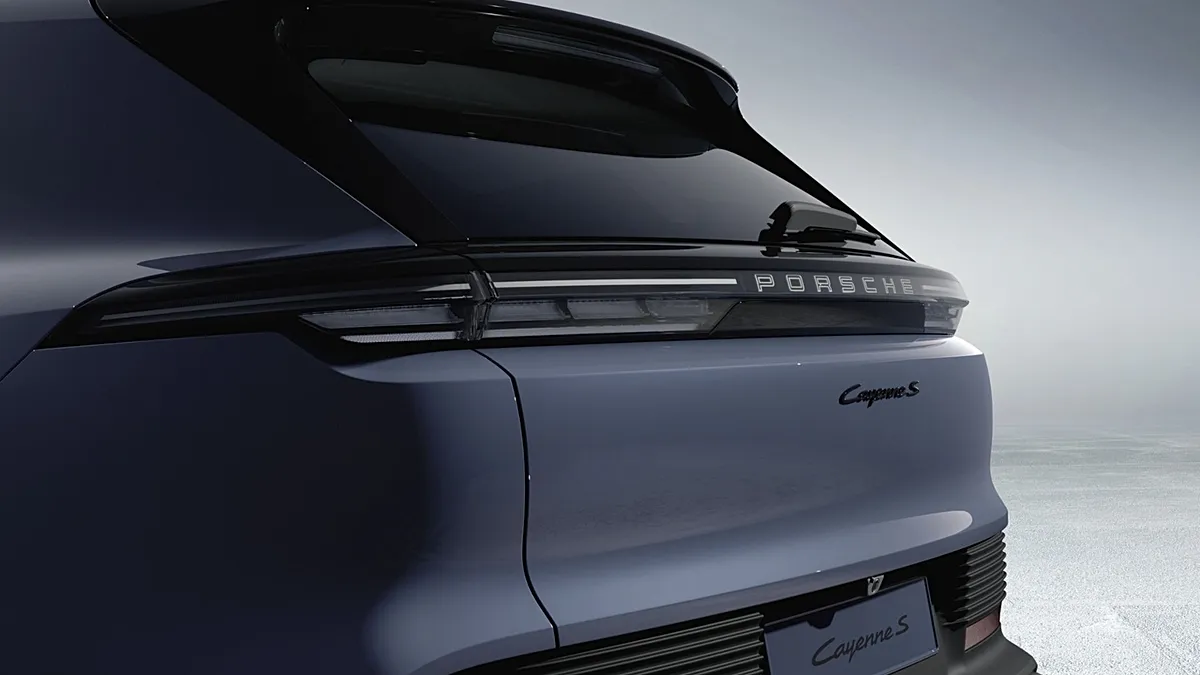
The relocation of the Cayenne production to Leipzig is part of a broader reorganization within Porsche’s manufacturing network. By consolidating the SUV’s production at the German plant, the company aims to leverage advanced technology, reduce logistics expenses, and strengthen its supply chain. However, the shift is not without consequences. Reports suggest that the Leipzig facility’s capacity will now be dedicated to the Cayenne model, potentially increasing its output while decreasing the production of other vehicles. This change highlights Porsche’s prioritization of certain models amid fluctuating market conditions and a need for operational agility.
Key to the success of this relocation is the cooperation of the workforce. Porsche has initiated discussions with the group works council to secure employee agreement on salary cuts, which are projected to save millions in operational costs. The cost differential between Slovakia and Germany has been a driving force behind the decision, as lower labor expenses in Slovakia have long made it an attractive location for vehicle assembly. Yet, the move to Leipzig could offer long-term benefits, including reduced dependency on cross-border supply chains and improved alignment with local economic policies.
Impact on Employees and Workforce Dynamics
As Porsche plans Cayenne return to Leipzig, the implications for its employees are significant. The relocation coincides with broader restructuring efforts that have already led to the expiration of hundreds of temporary contracts and the potential elimination of 200 positions by August. Some workers may face temporary reassignment to Volkswagen’s Wolfsburg plant, adding to the uncertainty in the workforce. The group works council has emphasized the need for transparent communication, warning that unresolved issues could lead to strikes or further morale concerns among staff.
Employee representatives have expressed mixed reactions to the pay cut proposals. While some acknowledge the necessity of cost-cutting measures in the current economic climate, others argue that the financial burden on workers could affect their quality of life. Ibrahim Aslan, chair of the works council, stressed that the negotiations must address not only salary reductions but also job security and future opportunities for staff. This internal dialogue will shape the success of Porsche’s plan, as employee buy-in is crucial for the smooth execution of the relocation.
Broader Industry Trends and Financial Pressures
The decision to move Cayenne production to Leipzig aligns with broader trends in the automotive sector, where manufacturers are increasingly seeking to reduce costs in response to economic headwinds. Declining sales in China, the impact of US tariffs, and heavy investments in strategic realignment have all contributed to Porsche’s need for efficiency gains. The first quarter of 2026 saw a sharp decline in global deliveries, and the automaker reported a notable profit drop for the 2025 fiscal year. These financial pressures have forced Porsche to explore options for optimizing its manufacturing footprint, with the Cayenne relocation serving as a key component of that strategy.
Despite the challenges, Porsche remains committed to its vision of modernizing operations. The move to Leipzig is expected to enhance the plant’s technological capabilities, potentially increasing its competitiveness in the European market. However, the company must navigate the delicate relationship between cost savings and employee satisfaction. Leiters, Porsche’s Group Chief Executive, highlighted that the restructuring is essential for maintaining profitability, but he also acknowledged the importance of maintaining a motivated and skilled workforce to support the transition.
Future Outlook and Industry Implications
As Porsche plans Cayenne return to Leipzig, the automotive industry will be watching closely for the outcomes of this shift. The decision could set a precedent for other manufacturers seeking to balance cost efficiency with regional manufacturing commitments. Analysts suggest that the relocation may also signal Porsche’s confidence in the long-term viability of the Leipzig plant, which has been a hub for innovation and engineering excellence. However, the success of the plan will depend on the company’s ability to secure employee cooperation and adapt to changing market conditions.
While the Cayenne return to Leipzig is a significant step, it is part of a larger transformation within Porsche. The automaker’s focus on efficiency and modernization is expected to influence its product development and market strategies in the coming years. As negotiations with employees continue, the outcome of these discussions will shape not only the production landscape but also the company’s relationship with its workforce. The automotive sector’s ongoing challenges, from supply chain disruptions to global economic shifts, will likely drive further changes in the near future.