German Federal Criminal Police records 486 offences against media and journalists in 2025 2025
German Federal Criminal Police Records 486 Offences Against Media and Journalists in 2025 German Federal Criminal Police records 486 offences - The German

German Federal Criminal Police Records 486 Offences Against Media and Journalists in 2025
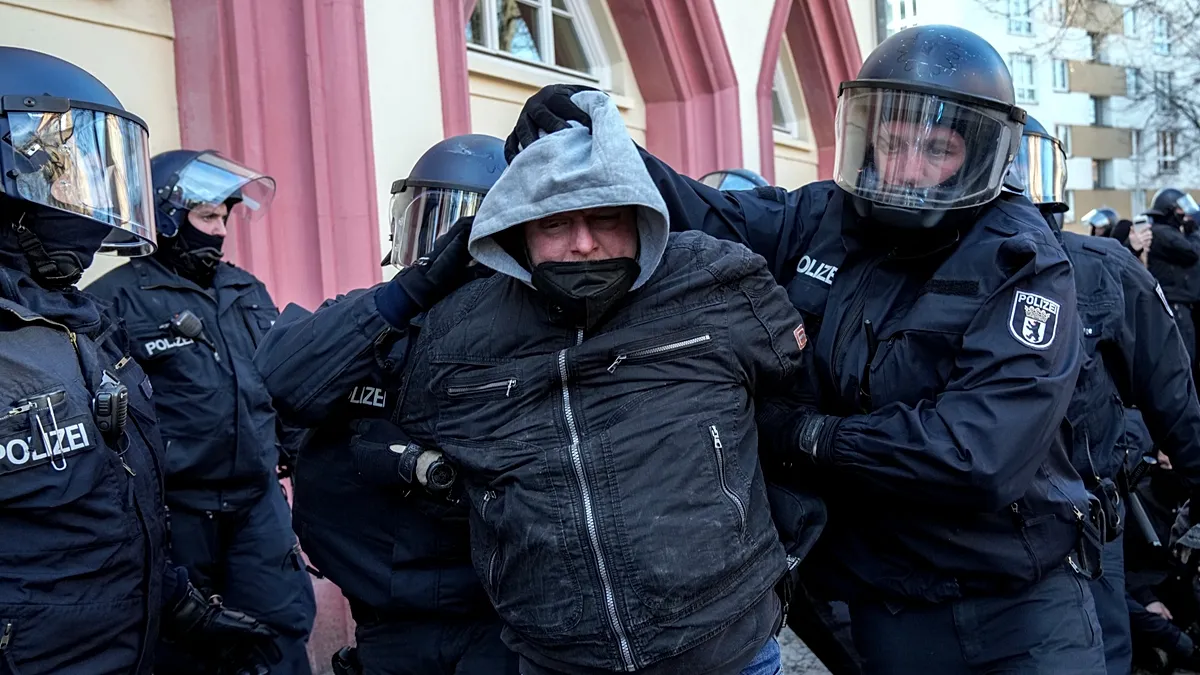
Poinews.com – The German Federal Criminal Police Office (BKA) recorded a total of 486 criminal offences targeting the media and journalists in 2025, as disclosed in recent data shared with Euronews. This alarming figure underscores a significant rise in attacks on press freedom, with the incidents spanning both violent and non-violent acts. The BKA’s report reveals that 54 of these offences involved physical violence, while the remaining 432 were classified as non-violent, such as defamation, intimidation, or cyber-related threats. The data highlights the growing challenges journalists face in maintaining their independence and safety in an increasingly polarized environment.
Violent Offences: A Closer Look
Of the 54 violent crimes documented, 26 were attributed to individuals or groups associated with “foreign ideology,” a category encompassing both left-wing and right-wing extremists. This group was responsible for all 13 resistance-related incidents, which included attacks on media personnel during demonstrations or protests. Additionally, 13 of the violent offences involved bodily harm, such as assaults or injuries sustained during confrontations. Left-wing ideology accounted for 15 of these violent cases, while right-wing ideology was linked to nine attacks, reflecting a split in ideological motivations behind the aggression.
“The perpetrators with ‘foreign ideology’ were the primary contributors to the violent incidents, with 26 cases in total, including all 13 resistance offences and 13 instances of bodily harm,” stated a BKA spokesperson. “This suggests that ideological extremism remains a key driver of attacks on the media in Germany.”
Non-Violent Offences: Rising Threats to Journalism
While violent acts accounted for a smaller portion of the total, the 432 non-violent offences highlight a more pervasive challenge to media independence. These included cyberattacks on news outlets, smear campaigns, and threats directed at journalists through social media platforms. Notably, 150 of the total offences were linked to right-wing ideology, the largest single category in the report. The BKA attributed these incidents to a combination of political bias, public distrust, and online harassment. Left-wing ideology was responsible for 43 cases, while “religious ideology” accounted for 10, illustrating the diverse motivations behind the attacks. The remaining 181 offences were categorized as having no clear ideological affiliation, indicating a need for further investigation into their origins.
The surge in non-violent offences against the media suggests a shift in tactics, with perpetrators increasingly relying on digital tools to undermine journalistic credibility. Cyberattacks, in particular, have become a major concern, as they can disrupt communication, spread misinformation, and intimidate sources. Experts warn that these indirect methods are often more difficult to trace and can have long-term effects on public trust in media institutions. The BKA’s data also reveals a pattern of targeting specific segments of the press, such as investigative journalists and those covering political controversies, which may exacerbate the risk of self-censorship.
Context and Implications
The BKA’s 2025 report places Germany at the forefront of Europe’s ongoing struggle to protect media freedom. With 486 offences recorded, the country’s journalists face a higher risk of harassment compared to their counterparts in other European nations. The report also notes a correlation between the rise in these incidents and the increasing polarization of public discourse. As debates over immigration, climate change, and social policies intensify, the media becomes a focal point for ideological clashes. The BKA’s analysis suggests that these attacks are not isolated events but part of a broader trend of using the press as a battleground for political influence.
Industry leaders and civil rights advocates have called for stronger legal protections and quicker responses to threats against journalists. The BKA’s data underscores the need for targeted interventions, such as training for media professionals on digital security and increased collaboration with law enforcement agencies to track and prosecute offenders. While the German government has taken steps to improve press freedoms, the persistence of 486 offences in 2025 highlights the urgent need for continued vigilance and reform. As the media landscape evolves, the role of the BKA in safeguarding journalistic integrity will remain critical to maintaining democratic discourse.