Europe send search and rescue personnel to Venezuela in response to massive quakes
Europe Sends Search and Rescue Teams to Venezuela After Major Quakes Europe send search and rescue personnel - In response to the catastrophic earthquakes

Europe Sends Search and Rescue Teams to Venezuela After Major Quakes
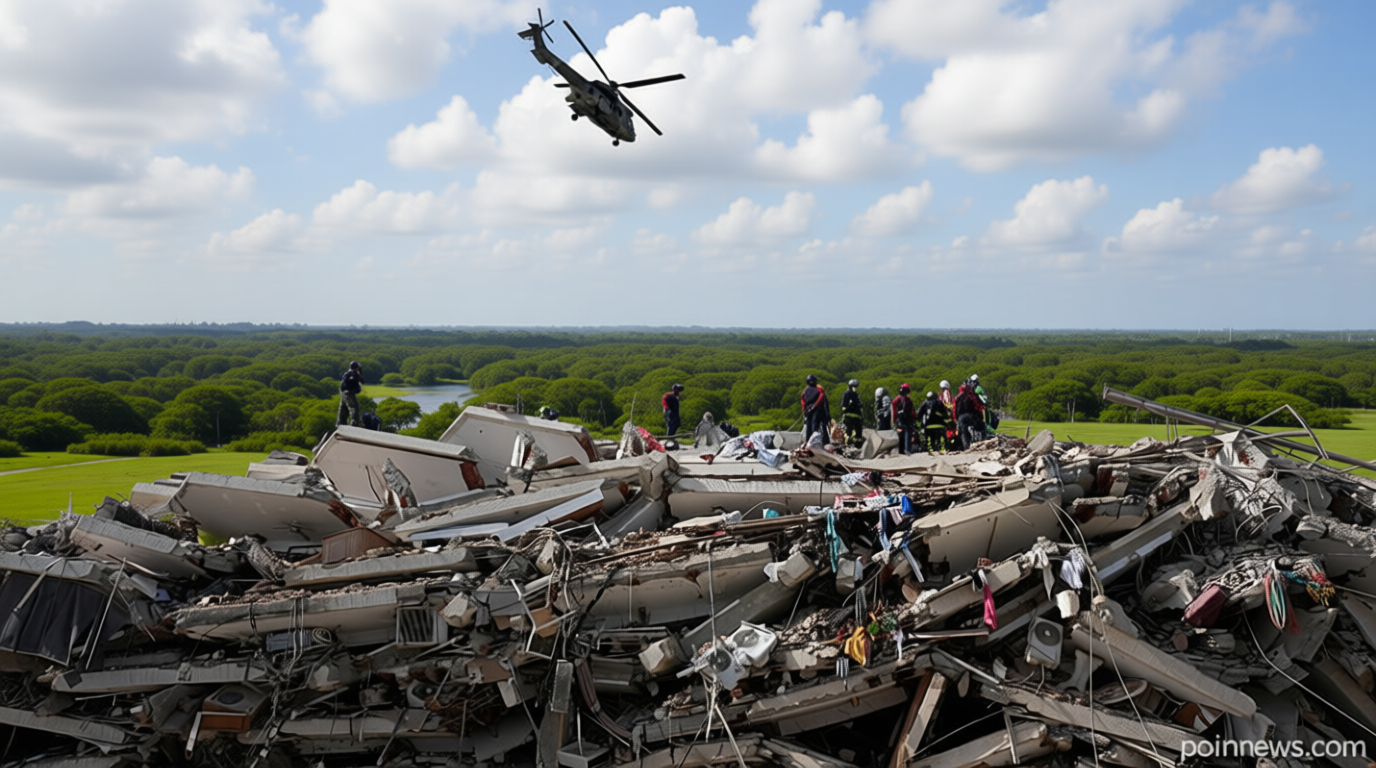
Poinews.com – In response to the catastrophic earthquakes that struck Venezuela on June 27, 2026, Europe has sent search and rescue personnel to aid in the recovery efforts. The two powerful tremors, which occurred within a minute of each other, caused widespread devastation across the northern Yaracuy region, prompting an urgent call for international assistance. The European Union (EU) has activated its disaster response mechanisms to deploy specialized teams and resources, emphasizing Europe send search and rescue as a critical component of the global humanitarian effort.
EU Civil Protection System Mobilized
Europe send search and rescue personnel through the EU’s civil protection system, which coordinates cross-border aid during emergencies. Over 500 rescue workers from eight EU member states—Czechia, Spain, Italy, France, Luxembourg, Germany, Portugal, and the Netherlands—have been mobilized to Venezuela. This coordinated effort underscores the EU’s commitment to disaster relief, with teams equipped to conduct urban search and rescue operations, provide medical care, and restore essential services. The activation of the system reflects Europe’s readiness to respond swiftly to crises, even in distant regions.
Italian Air Force and Specialist Teams
Italy has played a pivotal role in Europe send search and rescue efforts, with an Air Force plane arriving in Venezuela to deliver over 100 specialists. These teams include medical professionals, structural engineers, and search and rescue experts, who are working alongside local authorities and international partners. The Italian Civil Protection agency and the Crisis Unit have coordinated these missions, ensuring a streamlined approach to rescue operations in the hardest-hit areas. A second plane is currently prepared to transport additional personnel, including firefighters and technical support staff, to bolster the response.
“The second plane is ready for departure to transport more specialized personnel and firefighters to the affected zones,” said Italy’s Defence Minister Guido Crosetto. “Our teams are focused on locating survivors and clearing debris from collapsed buildings.”
Spain and France have also contributed significantly to the mission. Spain’s Foreign Minister Antonio Tajani announced an initial allocation of five million euros, earmarked for the Red Cross, Caritas, and the World Food Programme. This funding supports relief initiatives, including shelter, food, and medical supplies for displaced families. Meanwhile, 85 French rescuers have arrived in Caracas, where they are collaborating with local teams to search for survivors and assess the damage. The UK’s Royal Air Force has added its support by assembling aid packages, while Turkey has sent two military planes equipped with search and rescue teams, medical personnel, and humanitarian supplies to the region.
As the recovery process continues, Europe send search and rescue teams are focusing on both immediate rescue operations and long-term recovery planning. The European Commission has emphasized the need for sustained support, highlighting the importance of international collaboration in mitigating the aftermath of such disasters. The Copernicus satellite network has been activated to provide free data for monitoring the disaster zones, enabling better coordination of resources and improving the accuracy of rescue efforts. This data includes real-time imagery and environmental analysis, which are crucial for identifying vulnerable areas and planning logistics.
The earthquakes have not only caused physical destruction but also disrupted communication and transportation networks, complicating the delivery of aid. Europe send search and rescue teams are working to restore these critical infrastructures while ensuring the safety of both responders and civilians. The international community’s rapid response has been praised for its efficiency, with officials noting that the coordination of multiple nations has maximized the impact of the relief efforts. Despite the challenges, the combined expertise of European and global teams is expected to significantly reduce the loss of life and accelerate the recovery process.
As the situation unfolds, the scale of Europe send search and rescue operations highlights the EU’s proactive stance in global crises. The mobilization of over 500 personnel from across Europe demonstrates a unified approach to disaster response, with each country contributing based on its strengths. This collaborative model not only strengthens the effectiveness of the mission but also sets a precedent for future international efforts. The commitment of these teams to saving lives and rebuilding communities underscores Europe’s role as a key player in global humanitarian initiatives.