US and Iran trade strikes amid claims of ceasefire violations
asefire Violations US and Iran trade strikes amid - The ongoing conflict between the United States and Iran has intensified as both nations exchange strikes

US and Iran Trade Strikes Amid Claims of Ceasefire Violations
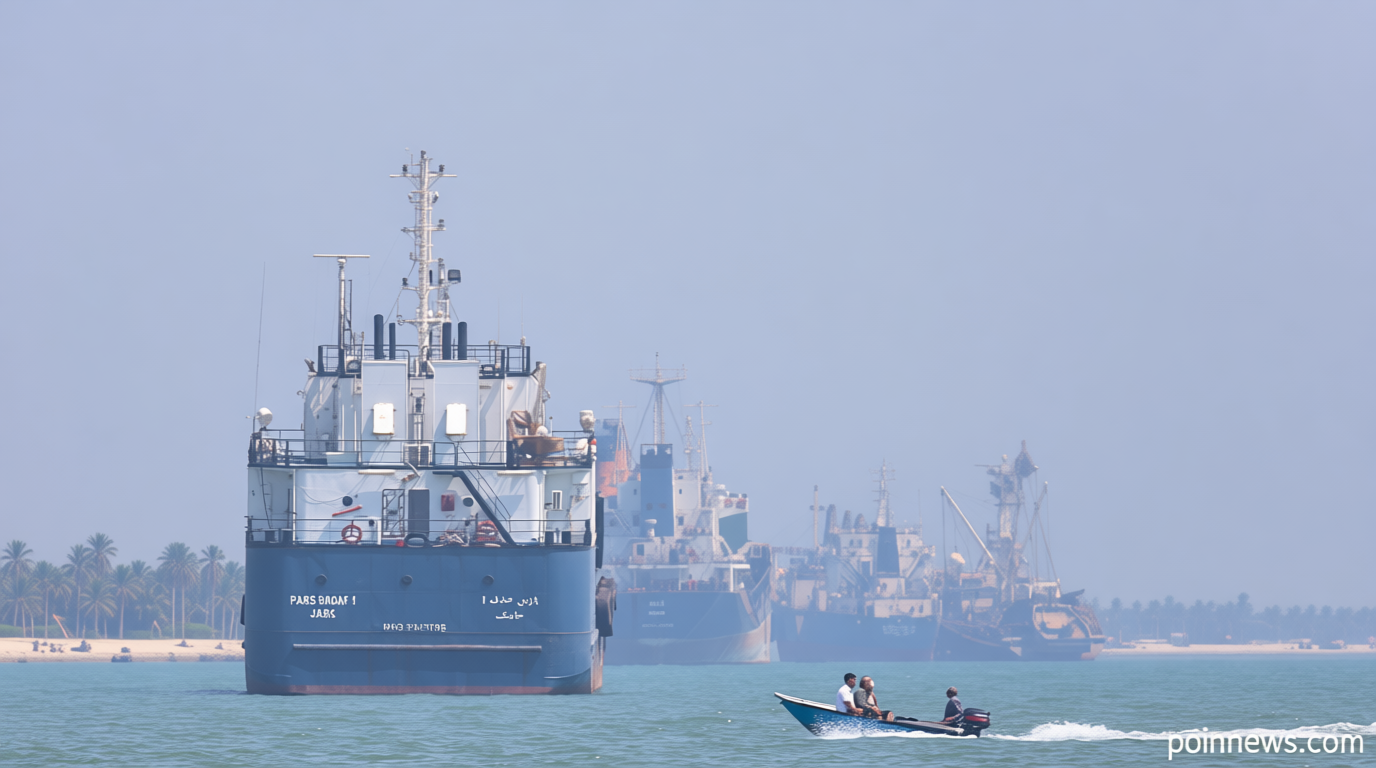
Poinews.com – The ongoing conflict between the United States and Iran has intensified as both nations exchange strikes following accusations of ceasefire breaches. In response to an Iranian drone attack on the Panama-flagged M/T Kiku oil tanker near the Strait of Hormuz, the U.S. military launched a series of coordinated strikes targeting Iranian military infrastructure. According to US Central Command, these strikes focused on key assets such as drone storage facilities, surveillance systems, communication hubs, and air defense sites. The operation was swift, underscoring the escalating tensions in the region and the U.S. commitment to protecting critical shipping lanes.
The skirmishes mark a significant escalation in the US and Iran trade strikes, which have been a recurring feature of their military confrontations. The initial Iranian attack on the M/T Kiku, which occurred during a high-stakes moment in the Strait of Hormuz, prompted an immediate U.S. reaction. This strategic waterway, vital for global oil transportation, became the focal point of the latest exchange. The U.S. strikes were not only a retaliation but also a demonstration of resolve to maintain security in the region. Iran, in turn, accused Washington of undermining the fragile ceasefire agreement, signaling a potential breakdown in diplomatic efforts.
Escalation and Diplomatic Tensions
Iran’s accusations of ceasefire violations have drawn strong reactions from U.S. officials, who insist their actions were justified. The U.S. military’s strikes targeted facilities in Iraq and Syria, areas believed to be central to Iran’s drone and missile operations. These strikes were part of a broader effort to counter Iranian advances in the region and ensure the safety of international vessels. Meanwhile, Iran’s retaliation included missile and drone attacks on U.S. bases in Bahrain and Kuwait, escalating the conflict and raising concerns about the stability of the current peace deal.
“The U.S. actions are a clear violation of the ceasefire and a sign of their unwillingness to negotiate,” stated Iranian Foreign Minister Hossein Amir-Abdollahian in a press briefing. This statement highlights the deepening rift between the two nations, with each side accusing the other of breaking promises. The U.S. maintains that its strikes were a necessary response to the threat posed by Iranian military activity, while Iran argues that Washington has not upheld its commitments under the agreement.
The ceasefire agreement, signed earlier this month, was intended to de-escalate tensions between the U.S. and Iran. It included provisions for mutual restraint in military operations and a commitment to safe passage for ships in the Strait of Hormuz. However, the recent strikes have cast doubt on the agreement’s effectiveness. Analysts suggest that the conflict may be entering a new phase, with both nations prioritizing military actions over diplomatic dialogue. This shift could have far-reaching implications for regional stability and international trade.
Strategic Implications and Global Reactions
The US and Iran trade strikes have sparked concerns among global powers about the potential for wider conflict. The European Union and other countries have called for restraint, emphasizing the importance of maintaining a stable shipping corridor. The Strait of Hormuz, which sees over 20% of the world’s oil exports, remains a critical area of interest for all nations reliant on Middle Eastern energy supplies. The U.S. and Iran’s continued military engagement in this region could disrupt global oil markets and trigger economic repercussions.
“The US and Iran trade strikes are a worrying sign of renewed hostilities,” remarked a spokesperson for the International Energy Agency. “This could lead to a situation where ships are targeted not only by Iran but also by U.S. forces, creating a dangerous precedent for international maritime trade.” The agency has urged both sides to return to negotiations and avoid further escalation, as the region’s strategic importance demands careful diplomacy.
In addition to the immediate impact on trade, the US and Iran trade strikes have also influenced the broader geopolitical landscape. The conflict has drawn attention to the role of Iran in regional security and the U.S. military’s presence in the Middle East. With the ceasefire agreement now under threat, the potential for a full-scale military confrontation looms. Analysts warn that the situation could escalate rapidly, particularly if both sides perceive their actions as a strategic advantage. This scenario would test the resilience of the current peace deal and the willingness of both nations to uphold it.
As the situation continues to evolve, the international community watches closely for signs of a new peace initiative. The US and Iran trade strikes have highlighted the challenges of maintaining stability in a region already fraught with conflict. While the ceasefire agreement was a positive step, its success now hinges on both parties’ ability to de-escalate tensions and prioritize dialogue. The strikes serve as a reminder of the delicate balance between military action and diplomatic resolution, with the potential for either outcome to shape the future of Middle Eastern relations.