Heatwave: Which European countries are running out of water?
pean countries are running out of water? Heatwave - A heatwave is not just a meteorological event—it’s a growing crisis across Europe, where the demand for

Heatwave: Which European countries are running out of water?
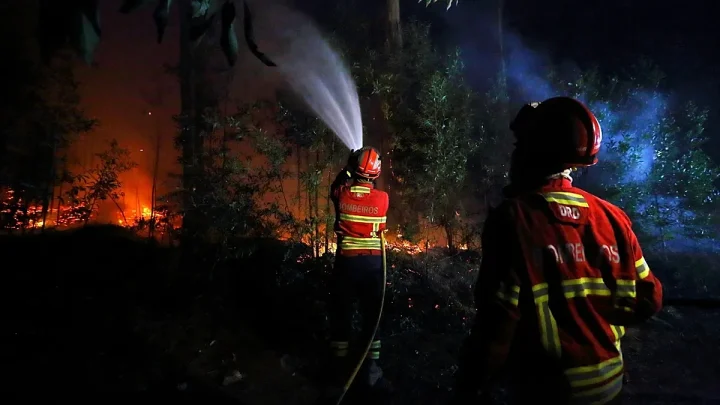
Poinews.com – A heatwave is not just a meteorological event—it’s a growing crisis across Europe, where the demand for water is outpacing supply in several regions. While the EU as a whole uses 5.8% of its freshwater resources annually, this figure conceals stark regional inequalities. Countries experiencing the most severe effects of a heatwave are increasingly under pressure, with some already operating near or beyond their water capacity. The combination of prolonged droughts, rising temperatures, and population growth is creating a perfect storm, threatening to disrupt access to clean water for millions. As the summer months stretch, the challenge becomes more urgent, requiring immediate and coordinated action to prevent long-term damage to ecosystems and human livelihoods.
Crisis in the Mediterranean: A Heatwave-Driven Water Emergency
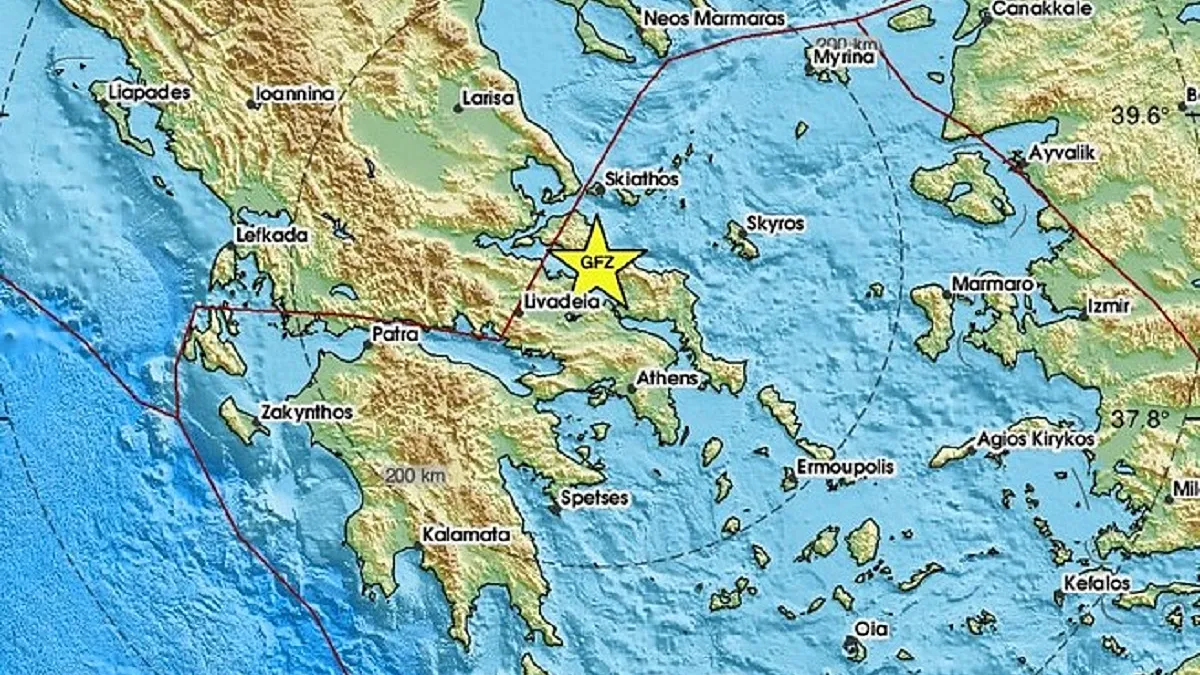
The Mediterranean region is particularly vulnerable to the effects of a heatwave, with Cyprus standing out as a stark example of the crisis unfolding. According to Eurostat and the European Environment Agency, Cyprus’s freshwater usage has skyrocketed to 72% annually, peaking at 92% during the summer. This level of exploitation is alarming, as it exceeds the warning threshold of 20%—a benchmark that signals the onset of severe water shortages. The country’s reliance on desalination plants has surged, especially in preparation for the peak tourist season, which strains resources further. Yet, even with these measures, the impact of a heatwave continues to intensify, highlighting the need for sustainable water management strategies to mitigate long-term risks.
The European Environment Agency warns that climate change and drought events will likely intensify the ‘frequency, intensity, and impact’ of water shortages at least until 2030.
Summer Strain on Water Supplies: The Heatwave’s Toll Across the EU
The summer months bring heightened stress to water supplies in many EU countries, with some nations experiencing exploitation rates that double or triple during the heatwave season. Malta, for instance, sees its annual usage climb from 33% to 67%, while Greece and Portugal report summer rates of 37% and 31%, respectively. These figures underscore the critical role that a heatwave plays in accelerating water depletion, particularly in regions with limited reserves. Even countries like Italy and Spain, which have larger water reserves, face challenges as the heatwave drives up demand for irrigation, industrial use, and domestic consumption. The situation is compounded by rising temperatures, which increase evaporation rates and reduce river flows, further straining already fragile systems.
Systemic Challenges Beyond Scarcity: Infrastructure and Distribution
While some countries face water shortages due to overexploitation, others struggle with systemic inefficiencies that exacerbate the impact of a heatwave. Bulgaria, Hungary, Croatia, and Ireland, for example, report lower freshwater usage rates but still grapple with inadequate infrastructure. Aging pipelines, leaky storage facilities, and uneven distribution networks contribute to significant losses, making it harder to meet rising demand during extreme weather events. In contrast, nations like France, Portugal, and Spain demonstrate better management practices, with national percentages of affected citizens comfortably below the EU’s 9% average. This disparity highlights the importance of investing in modern water systems to combat the effects of a heatwave and ensure resilience against future crises.
Government Responses to the Heatwave: Policy and Innovation
As the heatwave continues to test water systems, governments are stepping up efforts to address the challenge. In Cyprus, officials have launched a multi-pronged strategy, including expanding desalination capacity and promoting water recycling. Malta, too, has implemented strict conservation measures, urging residents to cut their water use by 10% during peak periods. Across the EU, the push for innovation is evident, with investments in smart irrigation systems, rainwater harvesting, and drought-resistant crops helping to reduce dependency on traditional sources. However, these solutions are not enough on their own—policy reforms, such as revising water pricing and incentivizing conservation, are also critical to ensuring long-term sustainability during heatwave events.
Climate change is a key driver behind the escalating frequency and severity of heatwaves, which in turn heighten water stress in vulnerable regions. The EEA report highlights that the EU is projected to see a 40% increase in water scarcity by 2030, with the Mediterranean and southern Europe being the hardest hit. This trend is already evident, as prolonged dry spells and higher temperatures deplete groundwater reserves and reduce rainfall. Countries with existing water challenges are now racing to adapt, but the scale of the problem demands a unified European approach. From investing in renewable water sources to updating policies for climate resilience, the path forward requires both immediate action and long-term planning to safeguard water access in the face of intensifying heatwaves.