Critical 72-hour rescue window closes in Venezuela as earthquake death toll nears 1,500
Venezuela's Critical 72-Hour Rescue Window Closes as Earthquake Death Toll Nears 1,500 The Final Hours of Hope Critical 72 hour rescue window closes - The

Venezuela’s Critical 72-Hour Rescue Window Closes as Earthquake Death Toll Nears 1,500
The Final Hours of Hope
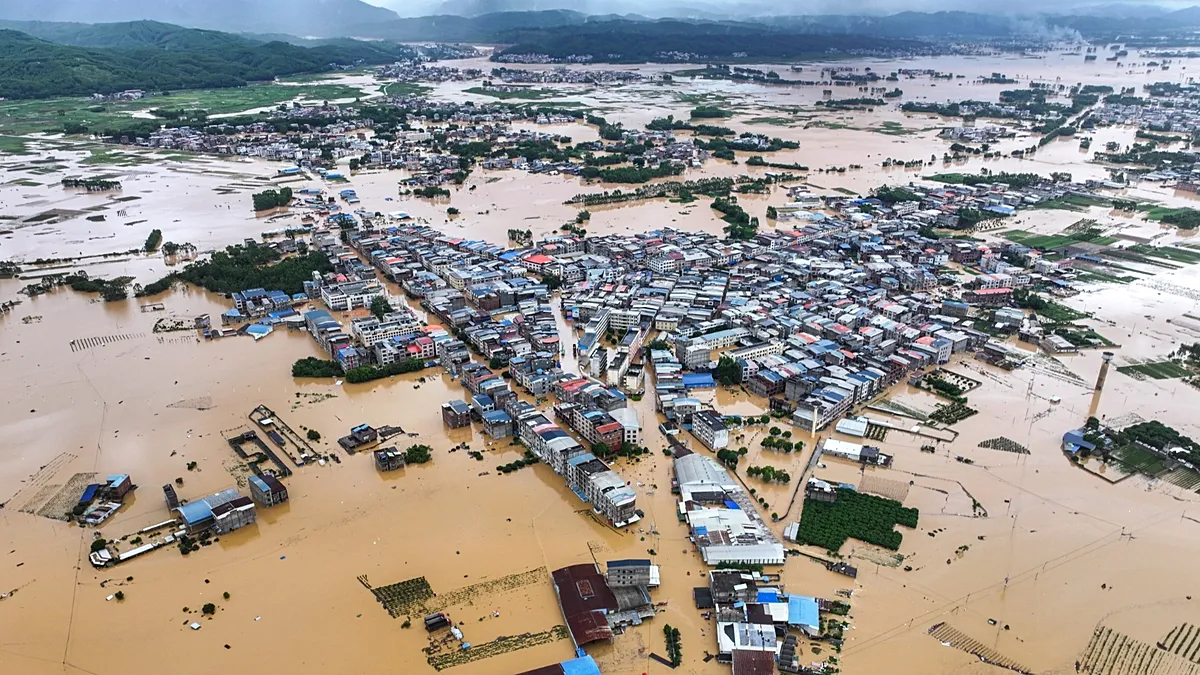
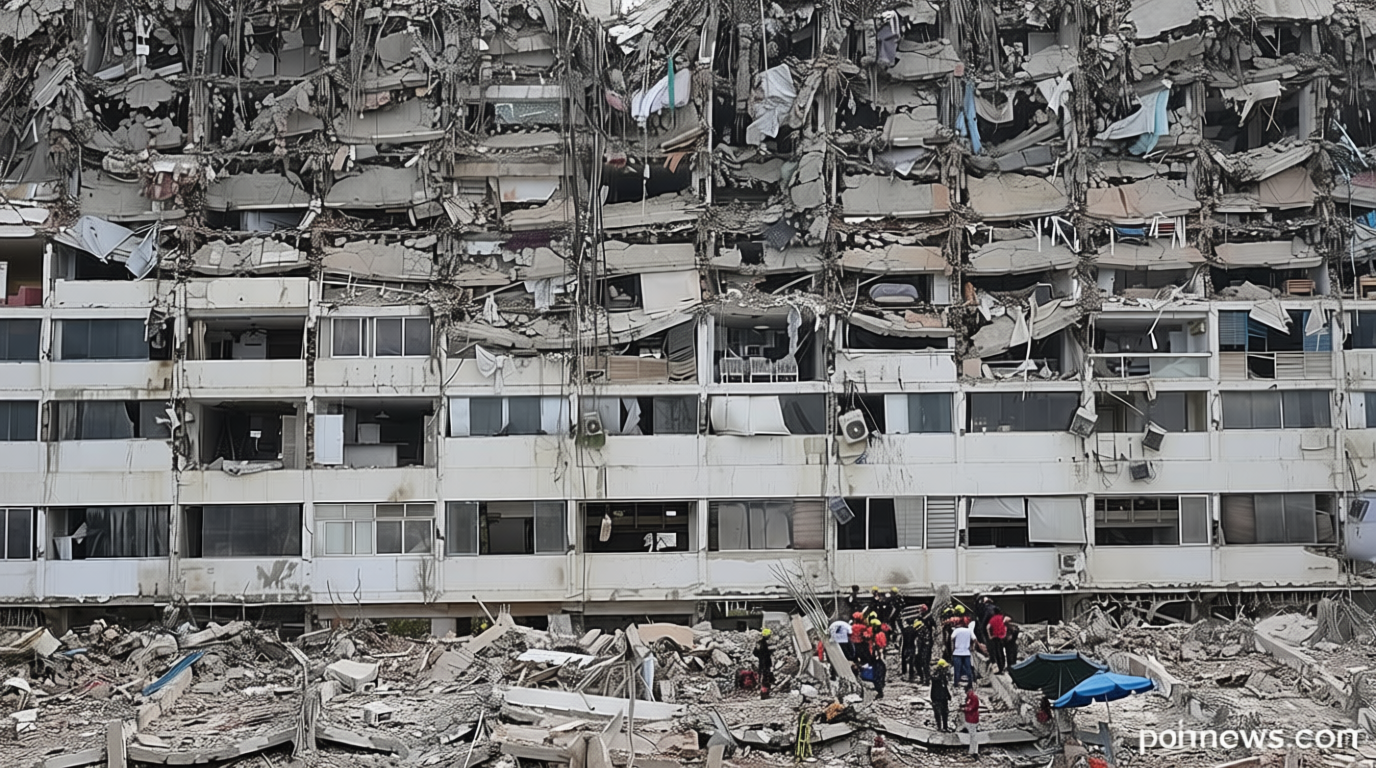
Poinews.com – The critical 72-hour rescue window in Venezuela has officially closed, marking a pivotal moment in the nation’s devastating earthquake response. As the death toll climbed to nearly 1,500, emergency teams scrambled to save as many lives as possible in the aftermath of two back-to-back quakes measuring 7.2 and 7.5 on the Richter scale. These tremors, which struck on Wednesday evening, left over 200 buildings completely collapsed, with 774 structures damaged and 189 destroyed. The 72-hour period—often considered the golden timeframe for rescue operations—has now expired, shifting the focus from saving survivors to recovery efforts.
Despite the efforts of international rescue teams from France, the U.S., and Mexico, the window for life-saving interventions has narrowed. The urgency of the situation was underscored by the grim reality that thousands of people remain unaccounted for, while millions face critical needs such as access to clean water, food, and medical care. Officials like National Assembly President Jorge Rodríguez emphasized that the first 72 hours after an earthquake are crucial for minimizing casualties, yet the deadline has passed without fully exhausting the potential for rescue.
Challenges in the Field
Rescue operations have been hindered by the scale of destruction and logistical constraints. In La Guaira, a coastal city hit particularly hard by the quakes, residents like Hector Aguilera expressed frustration over the slow pace of aid distribution. “We don’t have the support to get them out,” he said, describing the struggle of searching for family members buried under pancaked buildings. Looting erupted in the region as desperation grew, with some residents turning to manual methods to dig through rubble, while others criticized the government for delays in providing essential supplies.
“Today we have rescued people who are still alive,” interim President Delcy Rodríguez stated, vowing to continue efforts despite the passage of the critical rescue window. She noted that 24 nations had contributed 521 tonnes of supplies, 86 trained canine units, and over 2,700 personnel to the relief effort. However, the U.S. Southern Command reported that additional military support was arriving to bolster operations, including expanding airport capacity and reopening key ports. While these resources are valuable, they may not be enough to address the full scope of the crisis.
The UN migration agency warned that up to 6.76 million people could be displaced by the disaster, exacerbating the nation’s already fragile infrastructure. With roads and bridges damaged in multiple regions, access to affected areas has been limited, slowing the delivery of aid. The economic strain of the country, which has been grappling with hyperinflation and political instability, has further complicated recovery efforts. The U.N. estimated that the earthquakes caused $6.7 billion in damage, equivalent to 6% of Venezuela’s GDP, highlighting the catastrophic scale of the event.
International Support and Local Struggles
Amid the chaos, international support has played a vital role in sustaining rescue operations. The critical 72-hour rescue window saw coordinated efforts between local authorities and global teams, with specialized equipment and trained personnel deployed to navigate the rubble. However, challenges such as limited communication and power outages in affected zones have tested the efficiency of these collaborations. A Salvadoran rescue worker, who remained anonymous, described the situation as “bleak,” noting that many victims were likely already deceased by the time crews reached them.
Residents in Caraballeda, one of the hardest-hit regions, have taken matters into their own hands. Manual digging and makeshift shelters have become common as people wait for official assistance. The emotional toll of the disaster is evident in stories of families searching for loved ones and communities rallying to support each other. While the critical 72-hour window has closed, the resilience of Venezuelans remains a testament to the human spirit in the face of adversity. The focus is now on long-term recovery, but the urgency of the initial phase continues to shape the nation’s response.