EU sets October deadline to get ‘tangible’ results with China
EU Sets October Deadline for Tangible Progress in Trade Talks with China EU sets October deadline to get tangible - European Union Trade Commissioner Maroš

EU Sets October Deadline for Tangible Progress in Trade Talks with China
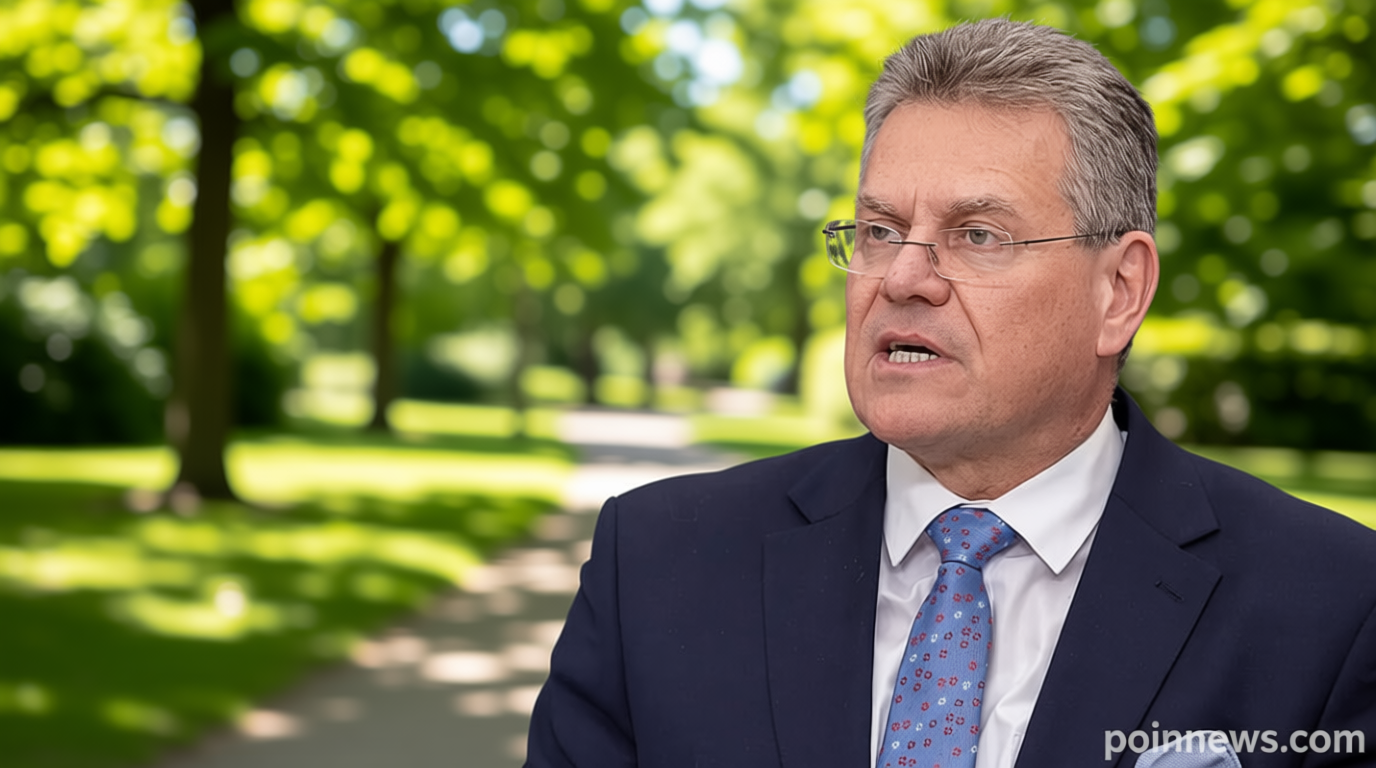
Poinews.com – European Union Trade Commissioner Maroš Šefčovič announced on Monday that the bloc aims to secure measurable outcomes from its discussions with China by October. The meeting with Chinese Trade Minister Wang Wentao in Brussels marked the start of negotiations that extended into the evening. Recent weeks have seen heightened tensions between the EU and China, driven by Beijing’s threats to counter EU efforts to shield its market from Chinese overproduction.
Intensive Dialogue and Strategic Goals
“Today’s talks were focused, productive, and aimed at building a framework for a more balanced trade relationship,” Šefčovič stated after concluding the session with Wentao. His goal, he emphasized, was to create a fairer trade dynamic between the EU and China, addressing concerns about market access and trade imbalances.
The EU’s trade deficit with China has reached a staggering €1 billion per day across the bloc, prompting Brussels to prioritize diplomatic engagement with Beijing. A mandate from the June EU summit instructed the European Commission to initiate dialogue that would yield concrete solutions to this economic challenge. Šefčovič confirmed that talks would be intensified, with plans for a visit to China later this autumn to evaluate advancements.
Trade Deficit and Market Access Concerns
China’s push for market access became a focal point after the EU introduced a March bill favoring European products in public procurement. This move sparked fears of retaliation, as Beijing could limit exports of critical rare earths used in green tech and defense sectors. Meanwhile, EU businesses struggle to penetrate the Chinese market, creating a delicate balancing act for European policymakers.
During the meeting in Brussels, Wentao also convened with Germany’s Federal Minister of Economics, Katherina Reiche. The German ministry highlighted the importance of aligning shared interests to foster mutual economic gains. Figures from last autumn revealed a record €87 billion trade gap between Germany and China, prompting Berlin to shift its stance on protecting domestic industries.
Challenges and Policy Measures
Germany’s automotive sector, for instance, has announced over 100,000 job cuts due to fierce competition from Chinese manufacturers. This underscores the broader dilemma Europe faces: safeguarding its economy from cheap imports and unfair practices like dumping while avoiding Chinese countermeasures. To tackle this, EU leaders have tasked Commission President Ursula von der Leyen with reviewing trade defense tools and exploring new strategies.
Proposed initiatives include a diversification mechanism to reduce reliance on Chinese suppliers and a solidarity framework to support nations hit hardest by trade pressures. These measures reflect Europe’s effort to maintain stability in its economic ties with China amid rising global competition.