Lithuania’s parliament approves Sinkevičius as prime minister
Lithuania's Parliament Approves Sinkevičius as Prime Minister Lithuania s parliament approves Sinkevičius as prime - Lithuania’s parliament has officially

Table of Contents
Lithuania’s Parliament Approves Sinkevičius as Prime Minister
Poinews.com – Lithuania’s parliament has officially confirmed the appointment of Sinkevičius as prime minister, marking a pivotal moment in the nation’s political landscape. This decision follows a series of parliamentary debates and negotiations, with the ruling Social Democrats securing the necessary support to finalize his tenure. The move comes as the country prepares for a new phase of governance, with Sinkevičius taking over after Inga Ruginienė’s resignation, which was driven by internal restructuring within the ruling coalition. The approval by Lithuania’s parliament not only solidifies Sinkevičius’s position but also signals a shift in leadership that aligns with the broader goals of the Social Democrats, who have been in power since their victory in the 2024 parliamentary election.
The Approval Process and Coalition Dynamics
The process of Lithuania’s parliament approving Sinkevičius was marked by both procedural rigor and political strategy. After Ruginienė stepped down, the Social Democrats, in collaboration with the Lithuanian Farmers and Greens Union, quickly moved to present Sinkevičius as their successor. The parliamentary vote required a simple majority, which Sinkevičius achieved with a clear mandate, reflecting confidence in his leadership capabilities. His appointment underscores the stability of the coalition, which has managed to navigate recent challenges, including the reshuffling of ministerial portfolios to ensure a cohesive policy direction. This decision also highlights the role of the parliament in shaping the nation’s future, with Sinkevičius now tasked with translating legislative support into actionable governance.
Sinkevičius’s Political Background and Career
Sinkevičius, a seasoned political figure with deep roots in local governance, has long been associated with Jonava, a city in central Lithuania. His career, which has spanned decades, has been characterized by a focus on administrative efficiency and community development. Before assuming the role of prime minister, he served as the mayor of Jonava since 2011, a tenure that saw significant infrastructure projects and economic initiatives. This experience in local government has equipped him with a nuanced understanding of public administration, which he now aims to apply on a national scale. His earlier role as economy minister in 2016, though brief, demonstrated his ability to handle complex policy portfolios, and his return to the mayoral position after a legal dispute over municipal fund usage further cemented his reputation as a resilient leader.
Sinkevičius’s Vision for Lithuania’s Future
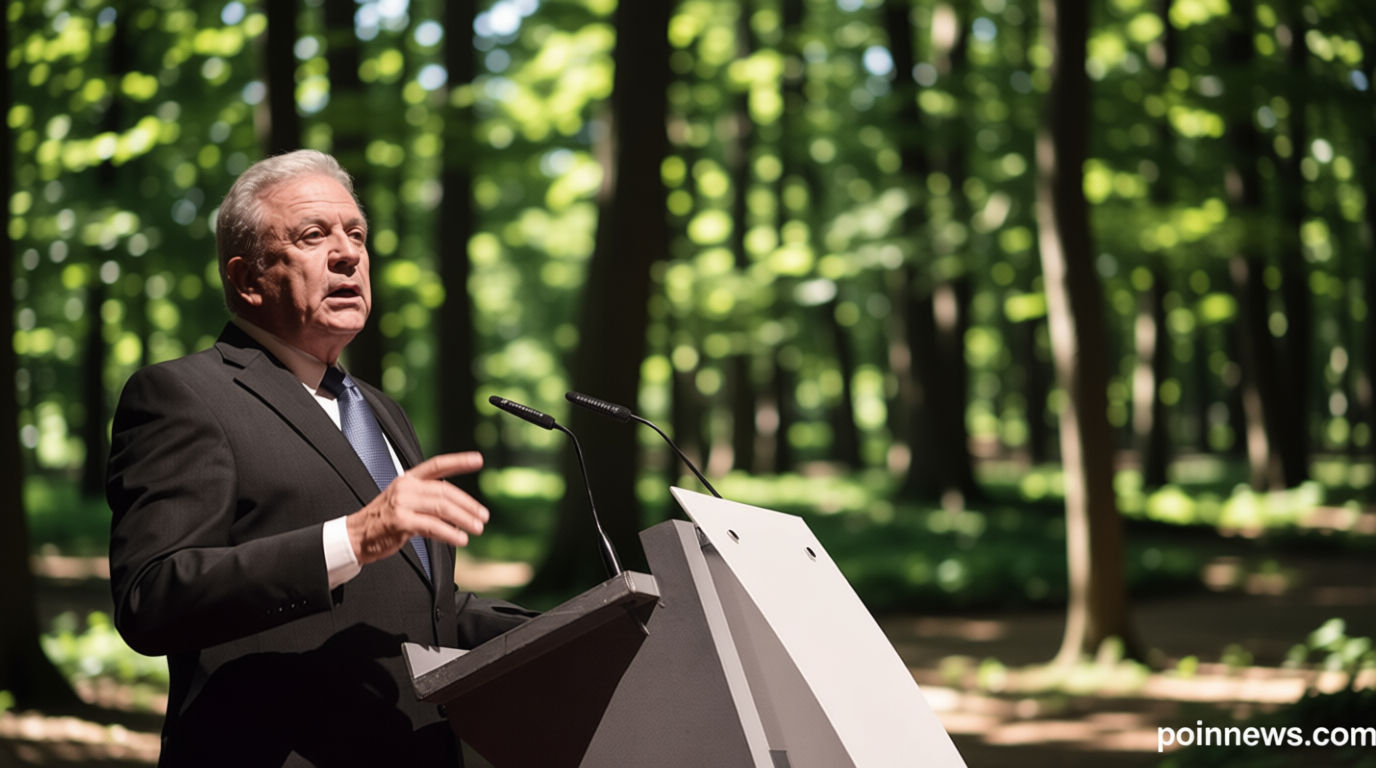
In his address to the parliament, Sinkevičius emphasized his commitment to fostering unity and addressing the pressing challenges facing Lithuania. “I will strive to be a Prime Minister who unites rather than divides, who listens and is not afraid to make decisions,” he declared, setting a tone of collaboration and decisive action. His vision centers on strengthening Lithuania’s position within the European Union, promoting economic growth, and enhancing social welfare programs. Sinkevičius has also pledged to prioritize environmental sustainability and digital transformation, key areas that align with the broader goals of the Social Democrats. This platform, however, comes with the responsibility of navigating a complex political environment, where public expectations and international pressures are both significant.
Challenges and Opportunities Ahead
As Lithuania’s parliament approves Sinkevičius, the new prime minister faces a mix of opportunities and challenges. One of the immediate priorities is the formation of a government, which requires negotiations with coalition partners and the alignment of policy priorities. Sinkevičius has 15 days to present his cabinet and outline a comprehensive legislative agenda, a timeline that adds pressure to his administration’s initial steps. The recent legal case that questioned his use of municipal funds has already sparked debates about transparency and accountability, which he must address to maintain public trust. Additionally, the coalition’s ability to stay united will be crucial, as any internal friction could jeopardize the effectiveness of Sinkevičius’s leadership.
Public and political reactions to the approval have been largely positive, with many viewing Sinkevičius as a pragmatic leader capable of steering Lithuania through its current economic and social challenges. Analysts note that his background in local governance provides a unique advantage in understanding the needs of different regions within the country. However, the road to success will not be without hurdles, as Sinkevičius must also balance the interests of the ruling Social Democrats with the demands of the Lithuanian Farmers and Greens Union. His ability to do so will determine the long-term stability of the government and its capacity to implement progressive reforms. Ultimately, the approval by Lithuania’s parliament represents not just a change in leadership, but a new chapter in the nation’s political and economic development.