Legendary St. Bernard rescue dogs still roam the Swiss Alps
Legendary St. Bernard Rescue Dogs Still Roam the Swiss Alps Legendary St Bernard rescue dogs still - For over two centuries, the St.

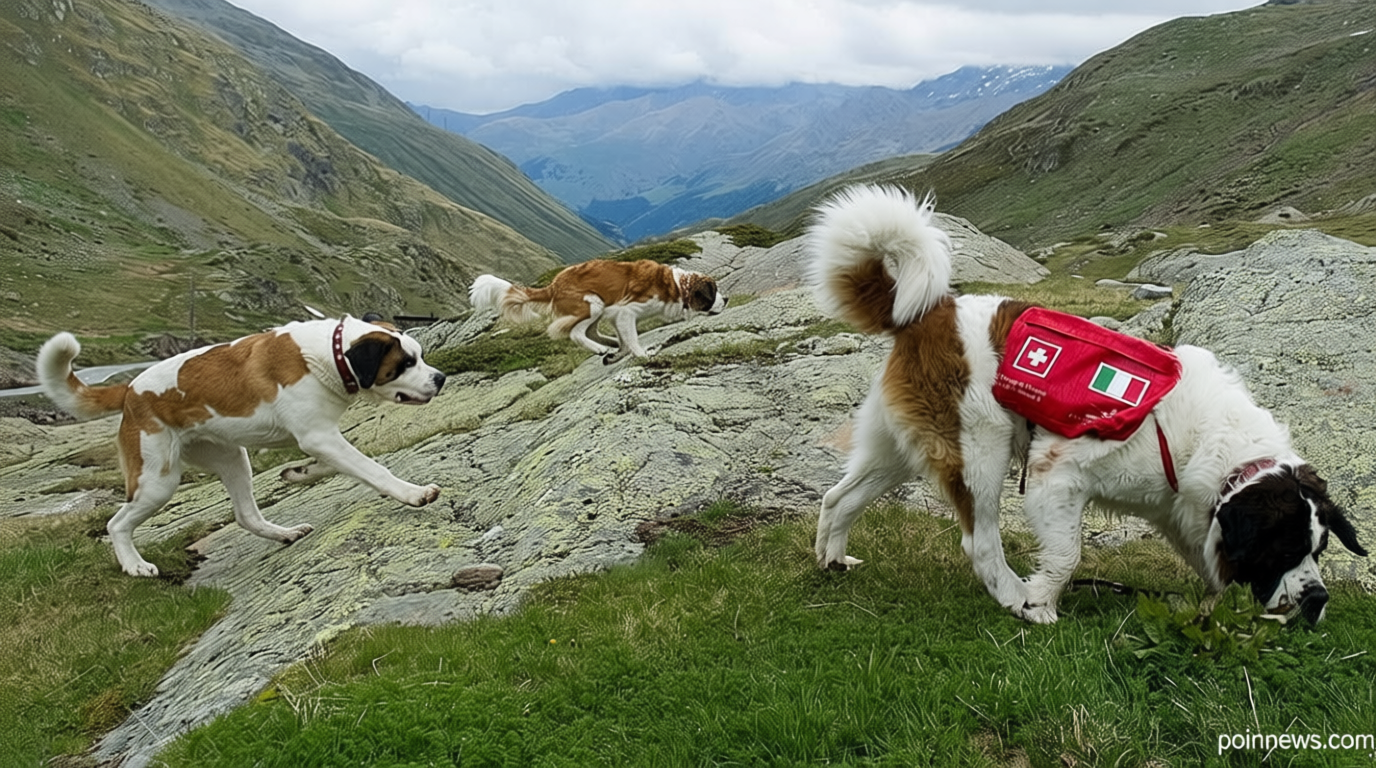
Legendary St. Bernard Rescue Dogs Still Roam the Swiss Alps
Poinews.com – For over two centuries, the St. Bernard rescue dog has been synonymous with alpine heroism, earning its place as a symbol of bravery and dedication in the treacherous landscapes of the Swiss Alps. These massive, gentle giants have long been revered for their unparalleled ability to locate lost hikers, traverse snow-covered peaks, and navigate icy crevices with unwavering determination. The focus keyword, “Legendary St Bernard rescue dogs,” encapsulates their enduring reputation, not just as working animals but as cultural icons that have become deeply embedded in the history of mountain rescue operations. Their presence in the Swiss-Italian border region, particularly around the Great St. Bernard Pass, remains a testament to the bond between humans and dogs in high-altitude survival scenarios.
The Historical Roots of Alpine Rescue
The St. Bernard’s legacy as rescue dogs dates back to the 18th century, when they were first bred by monks at the Great St. Bernard Monastery to assist in saving lives during the harsh winter months. These dogs were specifically developed for their strength, endurance, and thick coats, which allowed them to endure freezing temperatures and steep terrain. The breed’s name itself is a tribute to their role—named after the mountain pass, they became the go-to companions for travelers and mountaineers in the Alps. Over time, their contributions to rescue efforts expanded beyond the monastery, with teams of St. Bernards being deployed to search for stranded hikers, lost children, and even avalanche victims. Their unmatched sense of smell and ability to follow human scent through miles of snow made them indispensable to mountain rescuers.
Modern-Day Preservation and Innovation
Today, the legacy of these legendary dogs lives on through dedicated organizations like the Barry Foundation, which continues to nurture and train St. Bernards for both rescue missions and therapeutic roles. The foundation’s sanctuary, located at the Great St. Bernard Pass, houses 32 of these dogs, ensuring their survival and readiness for service. While their traditional work in alpine rescues has diminished with the advent of technology and modern equipment, the breed still plays a vital part in emergency response teams across Switzerland. In addition to their rescue duties, St. Bernards are now trained as therapy animals, offering comfort and companionship to patients in hospitals, schools, and nursing homes. This evolution highlights their adaptability and the ongoing need for their unique skills in both life-threatening and emotional situations.
Barryland, the world’s only theme park dedicated to the St. Bernard breed, represents a modern effort to celebrate and educate about these dogs. Opening its doors just a year ago, the park has already welcomed over 135,000 visitors, showcasing the breed’s historical significance alongside its contemporary relevance. Exhibits at Barryland delve into the dogs’ rescue history, featuring replicas of 18th-century rescue equipment and interactive displays that explain their role in saving lives. The park also serves as a training ground for young St. Bernards, providing them with simulated rescue scenarios to hone their instincts. This blend of education and practical training ensures that the breed’s legacy is not only preserved but also shared with a wider audience, fostering appreciation for their enduring contributions.
St. Bernard dogs are more than just symbols of resilience—they are a testament to the power of human-animal partnerships. Their history is intertwined with the Swiss Alps, where they have been trusted to navigate some of the most dangerous conditions imaginable. Even in the age of advanced technology, these dogs remain unmatched in their ability to detect human presence in remote, icy environments. Their physical strength, combined with their friendly disposition, makes them ideal for both rescue and companionship roles. The Barry Foundation and Barryland have played a crucial role in sustaining this legacy, ensuring that future generations can still benefit from the expertise and loyalty of these remarkable animals. As the Swiss Alps continue to be a popular destination for adventurers, the presence of St. Bernard rescue dogs ensures that their story of courage and service remains alive.
“The St. Bernard is a dog of legends, a living history of the mountains,” said Dr. Elena Moretti, a canine behaviorist specializing in alpine rescue training. “Their ability to work in extreme conditions is unmatched, and their gentle nature makes them a perfect choice for both rescue and therapy.”
While their numbers have declined over the years, the St. Bernard breed still holds a special place in Swiss culture. Known for their thick, white coats and sturdy build, these dogs are often seen as a national treasure, celebrated in folklore and art. Their role as rescue dogs has also inspired literature and film, with many stories highlighting their heroic deeds. Today, the breed’s preservation is a collaborative effort between conservationists, breeders, and local communities. By maintaining their population and promoting their skills, organizations like the Barry Foundation ensure that these dogs remain a vital part of Switzerland’s alpine heritage. As the demand for search and rescue services continues, the Legendary St Bernard rescue dogs remain a trusted ally in the mountains, proving that their story is far from over.