‘When every minute counts: German air rescue between emergencies and cost pressures’
When Every Minute Counts: German Air Rescue Between Emergencies and Cost Pressures When every minute counts - In the high-stakes world of air medical rescue

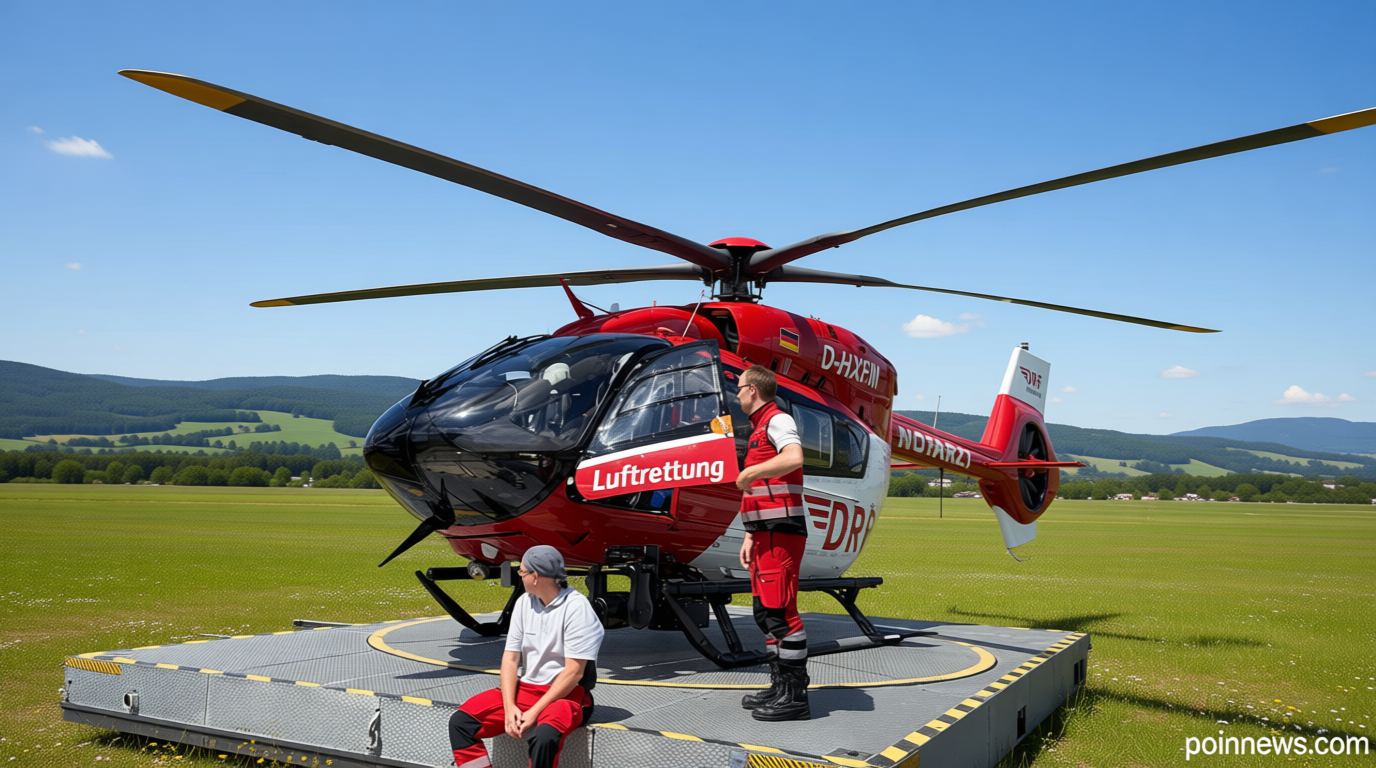
Table of Contents
When Every Minute Counts: German Air Rescue Between Emergencies and Cost Pressures
Poinews.com – In the high-stakes world of air medical rescue, timing is everything. The phrase “when every minute counts” isn’t just a slogan—it’s a reality for teams like those at the DRF Luftrettung, where rapid response can mean the difference between life and death. When an emergency call is received, a helicopter is swiftly deployed from the Unfallkrankenhaus Berlin (ukb) in Marzahn, a base that operates with precision and preparedness. The crew, consisting of a pilot, an emergency physician, and a paramedic, is trained to handle situations where speed and expertise are critical, such as transporting a severely burned patient to a specialized unit in Brandenburg’s rural town of Lübben.
The Critical Need for Rapid Response
“Every second can be a matter of life and death,” says emergency doctor Jan Martin. “For patients with heart attacks or strokes, the window for effective treatment narrows rapidly without immediate intervention. That’s why our team is always ready to act, ensuring that no delay occurs in the race against time.”
The urgency of such missions requires meticulous preparation. Crews at the Marzahn base ensure all equipment is functional and weather conditions are favorable before the first call of the day. This streamlined process allows them to achieve an average response time of just two minutes from alarm to takeoff. While air rescue complements ground ambulance services, its true value shines in remote areas where distances are vast and access to specialized care is limited. Helicopter transport not only bridges these gaps but also accelerates the critical care process, providing a lifeline in emergencies that demand swift action.
Operational Efficiency and Coverage
DRF Luftrettung manages 33 bases across 31 locations in Germany, with the Marzahn base strategically positioned to cover approximately 70 kilometers within 17 minutes. This rapid coverage is vital for saving lives in regions where ground transport may be too slow or impractical. The base serves a dual role: responding to emergencies such as car accidents or sudden medical crises and transporting patients to clinics with advanced treatment facilities. Whether it’s a direct response to a trauma site or an inter-hospital transfer, the team’s efficiency ensures that “when every minute counts” is never a distant promise.
Working in such a demanding environment requires a unique blend of skills and endurance. The crew at the Berlin-Marzahn base operates under 13-hour shifts, often facing extended waits between missions. Despite the grueling schedule, their commitment remains unwavering. During these periods, they conduct thorough inspections, evaluate weather patterns, and rehearse scenarios to stay prepared. This proactive approach not only enhances their readiness but also underscores the balance they must maintain between speed and accuracy in every operation.
Training and Specialization
The effectiveness of the German air rescue system is rooted in the specialized training of its personnel. Emergency physicians, for instance, undergo rigorous education to work in the dynamic environment of a helicopter. Many have backgrounds in anaesthetics or intensive care, ensuring they can deliver critical treatments even mid-flight. Pilots and paramedics also receive extensive training in medical protocols and aviation operations, mastering the delicate art of navigating both the skies and the demands of urgent care.
Since November 2024, the Berlin-Marzahn helicopters have been equipped with blood and plasma supplies, enabling on-the-way transfusions that can stabilize patients during transit. This innovation highlights the system’s commitment to reducing delays and improving outcomes. However, the challenges of operating in the air persist. Nighttime missions, unpredictable weather, and the emotional weight of critical care all require a level of dedication that goes beyond the call of duty. As one crew member notes, “When every minute counts, you have to be truly committed to this job.”
Despite the high stakes, the German air rescue teams must also navigate the pressures of cost efficiency. Funding for such services is often scrutinized, especially in an era of budget constraints. Yet, the value of air rescue remains undeniable. Its ability to reach remote areas quickly and provide specialized care justifies the investment, even as the teams strive to maintain operational standards without compromising speed or quality. The phrase “when every minute counts” encapsulates not just their mission but also the ongoing challenge of keeping pace with both emergencies and financial demands.