Health ministry changes conditions for medical residents in overhaul of framework statute
Health ministry changes conditions for medical -

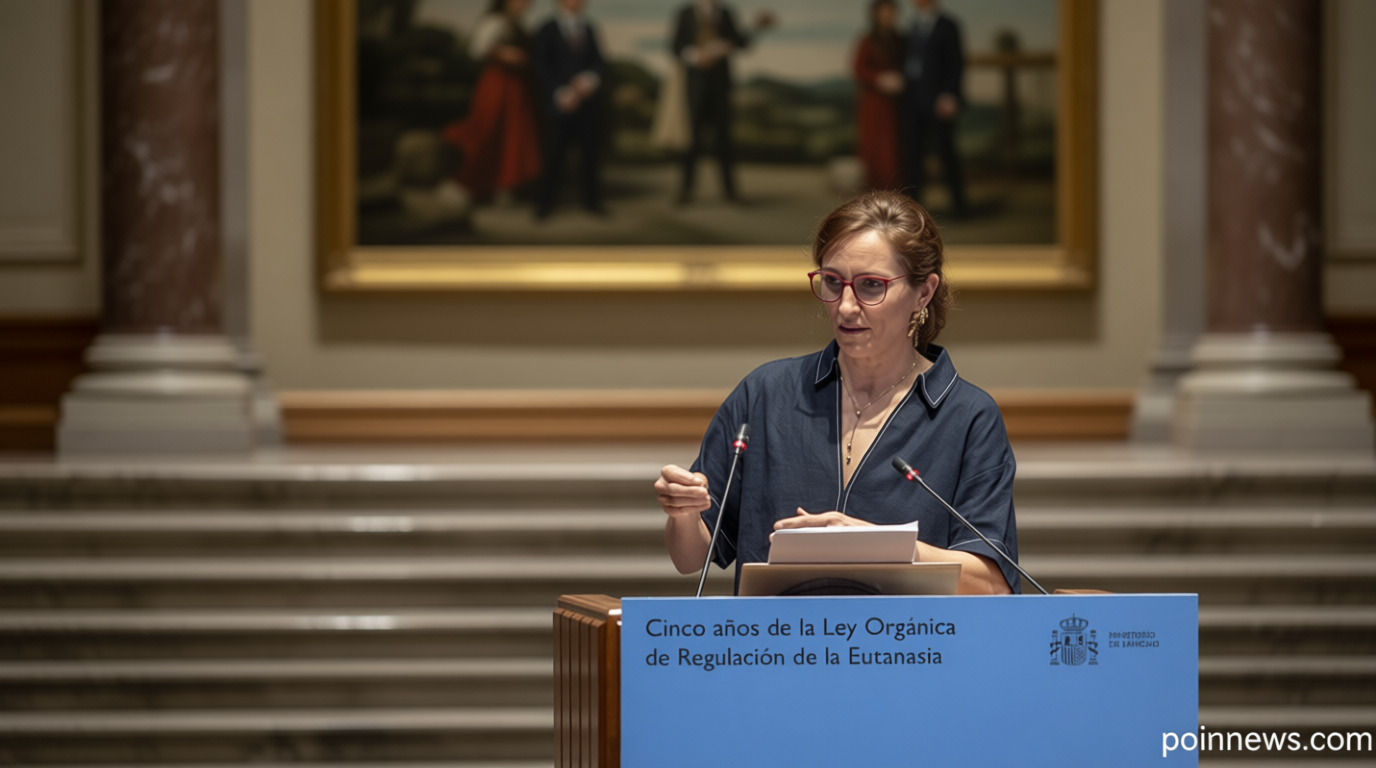
Health Ministry Changes Medical Residents’ Working Conditions in Major Statute Overhaul
New Regulations Aim to Modernize MIR Doctors’ Framework
Poinews.com – The Spanish Health Ministry has revised the conditions for medical residents, marking a pivotal shift in the Framework Statute that governs the profession. This overhaul, which has ignited widespread discussion, seeks to address long-standing issues surrounding the work-life balance of MIR doctors, Spain’s medical trainees. Key changes include reducing the maximum on-call hours from 24 to 17 per month, allowing up to four instances of extended shifts. The reforms also introduce a standard 35-hour workweek and progressive pay supplements tied to years of experience, a move widely praised as a step toward fairer compensation.
These adjustments, however, are not without controversy. The ministry’s decision to limit the number of long shifts has sparked debates among professionals, with some arguing that flexibility remains critical for emergency response. Meanwhile, the requirement for two months’ notice for rotation schedules has been met with mixed reactions, as medical experts highlight the logistical challenges of implementing such changes in high-demand departments.
Shifts, Pay, and Rotations: A Focus on Balance and Equity
Under the updated framework, MIR doctors will no longer face the grueling 24-hour on-call shifts that have defined their training for years. The change to a 17-hour cap per month is expected to reduce burnout while still maintaining the rigorous demands of residency. Additionally, the introduction of a 35-hour standard week and performance-based pay raises align with broader efforts to improve the attractiveness of medical careers in Spain. The two-month notice period for rotations aims to give trainees more stability, though some critics question whether it will be feasible in practice.
“While the new rules provide clarity, they still leave room for flexibility in response to urgent service needs,” noted a medical policy analyst.
Professional Advocacy and Unmet Expectations
Despite the reforms, medical professionals argue that the Health ministry changes conditions for medical residents fall short of addressing core challenges. The Spanish MIR Association (AME) has emphasized that while the adjustments are a positive development, they do not resolve issues like inconsistent pay, mandatory mobility, and the lack of night work supplements. Many trainees also call for recognition of on-call hours as part of their Social Security contributions, a demand that has been excluded from the latest proposals.
“The current reforms are a starting point, but they miss the mark on true professional equality,” said a spokesperson for the AME.
Industry Reactions: Support and Skepticism
The medical community’s response to the Health ministry changes conditions for medical residents has been polarized. While some institutions welcome the updated framework as a necessary improvement, others remain skeptical about its practicality. For instance, the requirement for compensating extra hours within 14 days has raised concerns about administrative strain and potential budget challenges. However, the AME has acknowledged the reforms as a “step forward,” though they caution that additional measures are needed to ensure long-term sustainability. “The balance between structured hours and emergency flexibility is crucial,” added an AME representative, stressing the importance of aligning the statute with modern healthcare demands.
Historical Context and Future Implications
This latest update follows years of pressure from medical unions and public health advocates, who have highlighted the precarious conditions of MIR doctors. Previous strikes over the framework statute underscored the need for systemic change, particularly in reducing overwork and improving career prospects. The new regulations are seen as a response to these demands, though their success will depend on implementation. Experts warn that without robust monitoring, the Health ministry changes conditions for medical residents may not translate into meaningful improvements. “The real test will be how these rules are enforced in practice,” said a health policy professor at Madrid University. “If they are too rigid, the impact on patient care could be significant.”
Broader Impact on Spain’s Healthcare System
The reforms are expected to have a ripple effect across Spain’s healthcare landscape. By easing the workload of medical residents, the changes may lead to improved patient outcomes and reduced staff turnover. However, the shift could also create new challenges, such as the need for additional training hours or adjustments in hospital staffing models. The Health ministry changes conditions for medical residents also signal a broader effort to modernize the profession, with potential implications for recruitment and retention. As the framework statute undergoes its latest revision, stakeholders continue to advocate for further refinements to ensure it meets the needs of both trainees and the public they serve.