Nicolás Maduro sued in US court over alleged extrajudicial killings in Venezuela
Nicolás Maduro Sued in U.S. Over Alleged Extrajudicial Killings in Venezuela Nicolás Maduro sued in US court - Former Venezuelan President Nicolás Maduro is

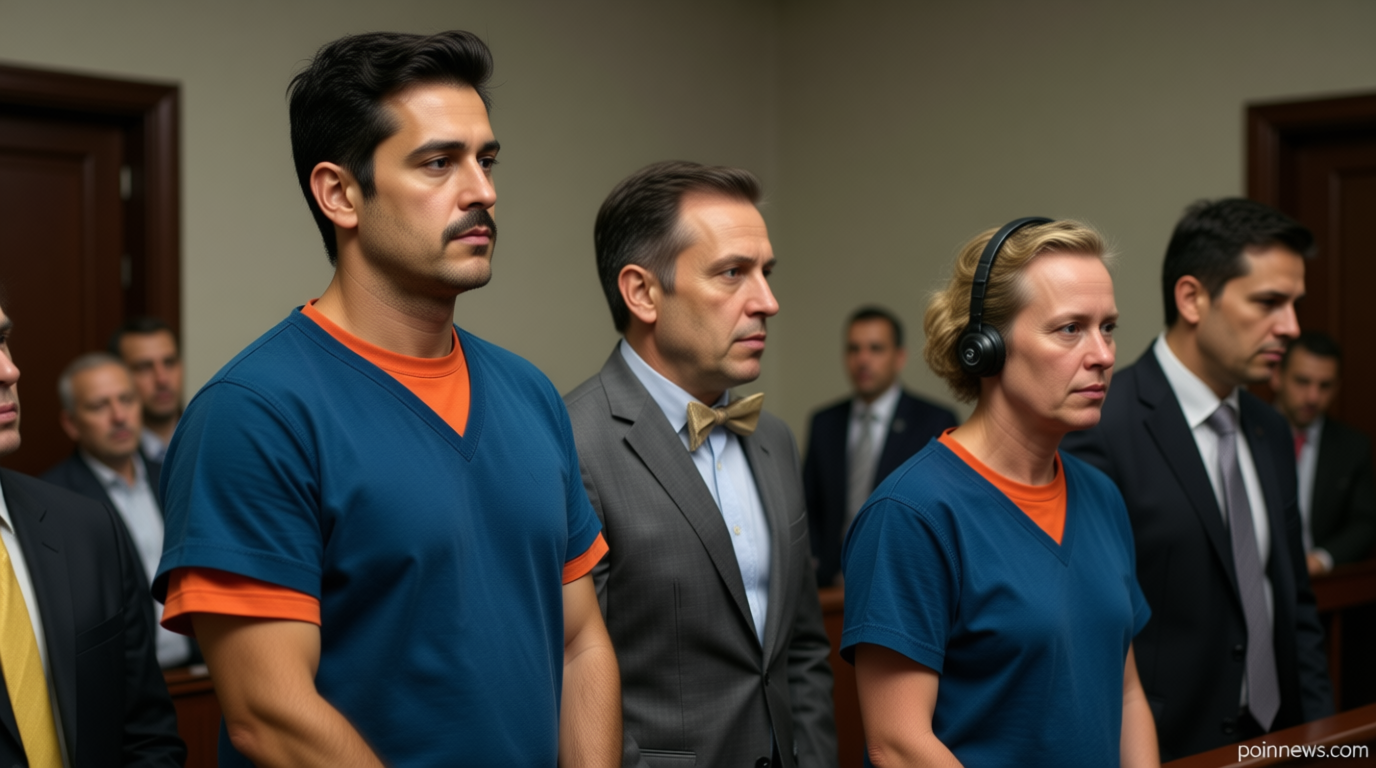
Nicolás Maduro Sued in U.S. Over Alleged Extrajudicial Killings in Venezuela
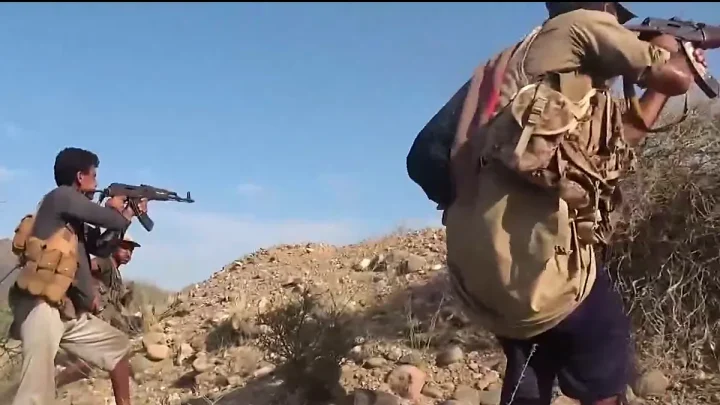
Poinews.com – Former Venezuelan President Nicolás Maduro is facing a landmark lawsuit in a U.S. court, alleging that he authorized extrajudicial killings during his tenure from 2017 to 2020. The case, initiated by five men who died in Venezuela’s violence, claims Maduro used his security forces to target individuals in a coordinated effort to eliminate political opponents and suppress dissent. The 44-page legal filing outlines a pattern of state-sanctioned brutality, with the Special Action Forces (FAES) playing a central role in the alleged executions. The unit, which disbanded in 2021 after international scrutiny, is accused of carrying out targeted killings in marginalized communities, often under the guise of anti-terrorism operations.
Patterns of Violence and Political Repression
According to the lawsuit, Maduro’s administration orchestrated a campaign of fear and intimidation, with FAES operatives executing victims in the early hours of the day. The legal documents describe how the security forces used masks and black uniforms to blend into civilian environments, isolating individuals before lethal force was applied. The families of the victims argue that these killings were part of a broader strategy to silence dissent and maintain political control. The legal team highlights the regime’s creation of false narratives, branding the deceased as “resistors of authority” to justify their actions.
“Maduro weaponized FAES as a tool for political dominance and social control, instilling fear in marginalized areas and silencing opposition,” the lawsuit states.
The families, who have chosen to remain anonymous for safety, are now seeking justice through the U.S. Torture Victim Protection Act. This legal framework allows victims or their families to file claims against individuals or entities responsible for torture or cruel treatment. The case is significant as it challenges the Venezuelan judiciary’s ability to hold the government accountable for its alleged crimes. Legal experts note that this lawsuit could set a precedent for similar cases against regime officials, leveraging U.S. jurisdiction to address human rights violations.
Legal Proceedings and Immunity Claims
Maduro, currently detained in New York under U.S. military operation charges, is accused of four counts: conspiracy for “narco-terrorism,” cocaine importation, possession of weapons, and conspiring to possess destructive devices. He has asserted his status as a “prisoner of war,” arguing that his immunity as a head of state protects him from prosecution. However, the families’ lawsuit aims to dismantle this claim, asserting that his actions constitute personal criminal liability. The case could test the limits of diplomatic immunity and open the door for international legal action against Maduro and his allies.
International Response and Context
The lawsuit has drawn attention from human rights organizations and international bodies, with the United Nations previously criticizing FAES for its role in violence. The families’ legal strategy relies on the U.S. government’s commitment to human rights, citing past cases where officials were held accountable for atrocities. Meanwhile, Venezuela’s government has dismissed the allegations, calling them politically motivated. The legal battle underscores the growing tension between the U.S. and Venezuela, as well as the impact of extrajudicial actions on civilian populations.
Maduro’s alleged involvement in the killings comes amid a broader crisis in Venezuela, where protests and political unrest have led to widespread reports of disappearances and torture. The lawsuit not only seeks compensation for the victims but also aims to establish a legal link between Maduro’s leadership and the state-sanctioned violence. This case could highlight the U.S. as a key player in holding authoritarian leaders accountable, even when they are abroad. Legal analysts suggest that the outcome may influence future cases against political figures in similar situations.
Victims and Their Families’ Perspectives
The five individuals named in the lawsuit represent a broader wave of alleged extrajudicial killings attributed to Maduro’s regime. Each victim’s story is detailed in the legal filing, emphasizing their role as activists, journalists, or community leaders. The families describe how their loved ones were targeted without due process, often in the dead of night. This personal account adds emotional weight to the legal arguments, compelling the U.S. court to consider the human cost of Maduro’s policies. The lawsuit also highlights the families’ determination to seek justice, despite the risks of retaliation in Venezuela.
As the legal proceedings unfold, the case will serve as a critical example of how international law can be used to address domestic human rights abuses. The focus keyword, “Nicolás Maduro sued in US court,” is central to the narrative, reinforcing its relevance in both search engines and legal discourse. The ongoing litigation not only seeks to hold Maduro accountable but also to shine a light on the systemic nature of the violence he is accused of orchestrating. This could have far-reaching implications for the political and legal landscape in Venezuela, as well as the U.S.’s role in international justice.