Flavoured noodles linked to more than 100 Salmonella infections in Europe
Flavoured Noodles Linked to Over 100 Salmonella Infections in Europe Flavoured noodles linked to more than 100 Salmonella infections have sparked widespread

Flavoured Noodles Linked to Over 100 Salmonella Infections in Europe
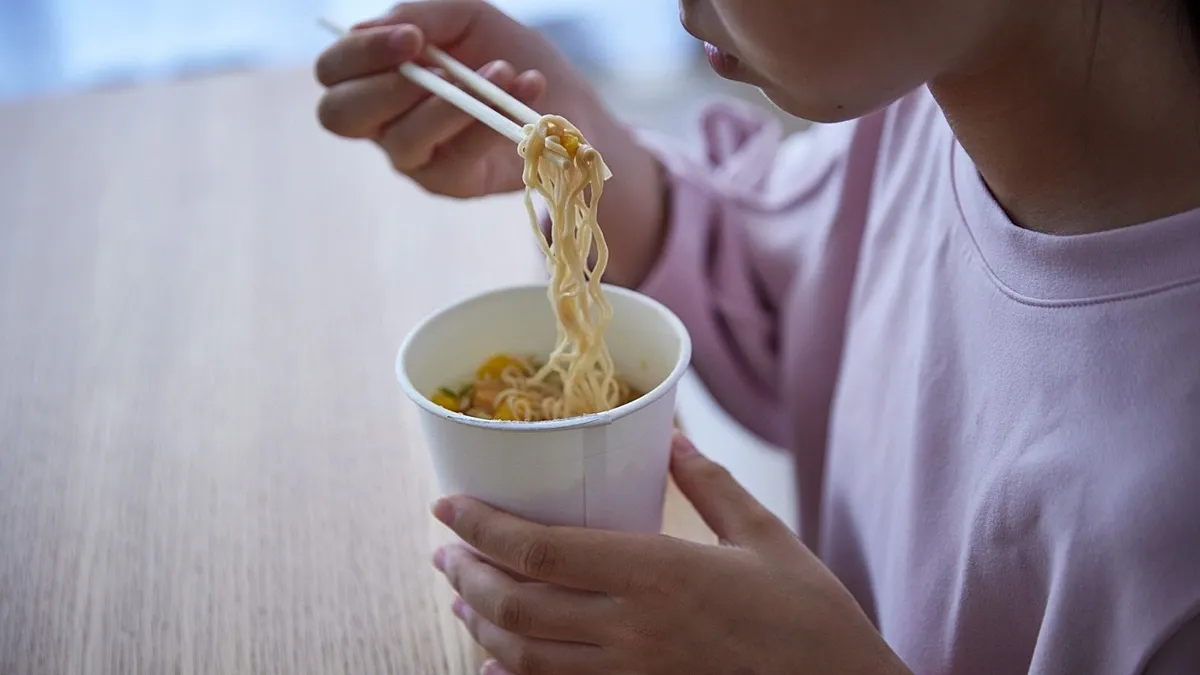
Poinews.com – Flavoured noodles linked to more than 100 Salmonella infections have sparked widespread concern across Europe, with health authorities confirming a multi-country outbreak tied to specific noodle products. The European Food Safety Agency (EFSA) and the European Centre for Disease Prevention and Control (ECDC) have reported that 106 individuals have fallen ill in 14 European nations, primarily due to consumption of flavoured noodle items from a single brand. While the exact supplier has yet to be identified, the outbreak has been linked to a shared brand, highlighting the potential for contaminated food to affect large populations. This surge in cases has raised alarms about food safety standards and the importance of traceability in the supply chain.
Outbreak Spread and Public Health Response
The spread of the Salmonella outbreak has been particularly notable in regions with high consumption of flavoured noodles linked to more than 100 cases. According to the EFSA and ECDC, the infections have been reported in Austria, Britain, Czechia, Denmark, Estonia, France, Germany, Hungary, Latvia, Lithuania, the Netherlands, Norway, Poland, and Sweden. Health officials are currently working to determine the exact origin of the contamination and are urging consumers to check packaging for the affected brand. The agencies have also advised food establishments to review their inventory and halt the sale of potentially contaminated products.
“Flavoured noodle products are the most likely source of an ongoing multi-country outbreak of infections, with evidence linking the cases to items from the same brand,” the EFSA and ECDC jointly stated. The agencies emphasized that while the exact vendor is still under investigation, the shared brand connection is a critical factor in tracing the outbreak. They also highlighted the need for stricter monitoring of food production facilities to prevent similar incidents in the future.
Ukrainian Producer Identified in Recall Efforts
Although the specific supplier responsible for the contamination has not been officially named, preliminary investigations have pointed to a connection with a producer based in Ukraine. Reeva Foods, which distributes products in the Baltic region, confirmed that an “alleged detection” of Salmonella Stanley was found in a batch of its instant noodles. These noodles were manufactured by Euro Food Service, a Ukrainian company that has since initiated a full-scale internal review and recalled the affected product lines. The company’s swift action has been praised by European officials as a crucial step in containing the outbreak.
Reeva Foods has implemented a range of measures to address the issue, including independent laboratory analysis, regulatory inspections, and environmental checks at production sites. The company has also partnered with local health authorities to trace the distribution of the contaminated products and ensure that they are removed from shelves across Europe. “Flavoured noodles linked to more than 100 cases are being investigated thoroughly, and our team is working around the clock to identify the root cause of the contamination,” a spokesperson for Reeva Foods stated in a recent press release.
Health Impacts and Risk Factors
Salmonellosis, the illness caused by Salmonella bacteria, typically manifests with symptoms such as diarrhoea, fever, stomach pain, nausea, and vomiting. These symptoms can last anywhere from a few days to a week, with most patients recovering without long-term complications. However, the illness can be more severe for vulnerable groups, including young children, elderly individuals, and those with weakened immune systems. In the current outbreak, 49 patients required hospital care, underscoring the potential for serious health risks associated with flavoured noodles linked to more than 100 cases.
Public health experts are now emphasizing the importance of hygiene practices when handling and preparing food, especially in households where children and adults often share meals. They have also urged consumers to be vigilant about checking expiry dates and storage conditions of flavoured noodles linked to more than 100 cases. Additionally, the ECDC is working to develop a comprehensive strategy to prevent future outbreaks, including enhanced surveillance and collaboration with food producers to improve safety protocols.
Consumer Awareness and Preventive Measures
In response to the outbreak, European health authorities have launched a consumer awareness campaign to educate the public about the risks associated with flavoured noodles linked to more than 100 Salmonella infections. The campaign includes guidelines on how to identify affected products, proper food handling techniques, and the importance of cooking food thoroughly to kill harmful bacteria. Consumers are advised to report any suspected cases of illness to local health departments and to keep track of their purchases for potential recalls.
Meanwhile, the food industry is under increased scrutiny as regulators evaluate the safety of flavoured noodles linked to more than 100 cases. The EFSA has called for a review of current food safety regulations, particularly those governing the production and packaging of instant noodles. This includes examining the possibility of cross-contamination during manufacturing and ensuring that all products meet stringent hygiene standards. The agencies have also emphasized the need for transparency from producers to build trust among consumers and prevent panic in the market.