Tavolara glamping: Government revokes special economic zone approval in Sardinia, no luxury resort
Tavolara Glamping: Italian Government Revokes Special Economic Zone Approval in Sardinia Tavolara glamping - The Italian government has officially revoked the

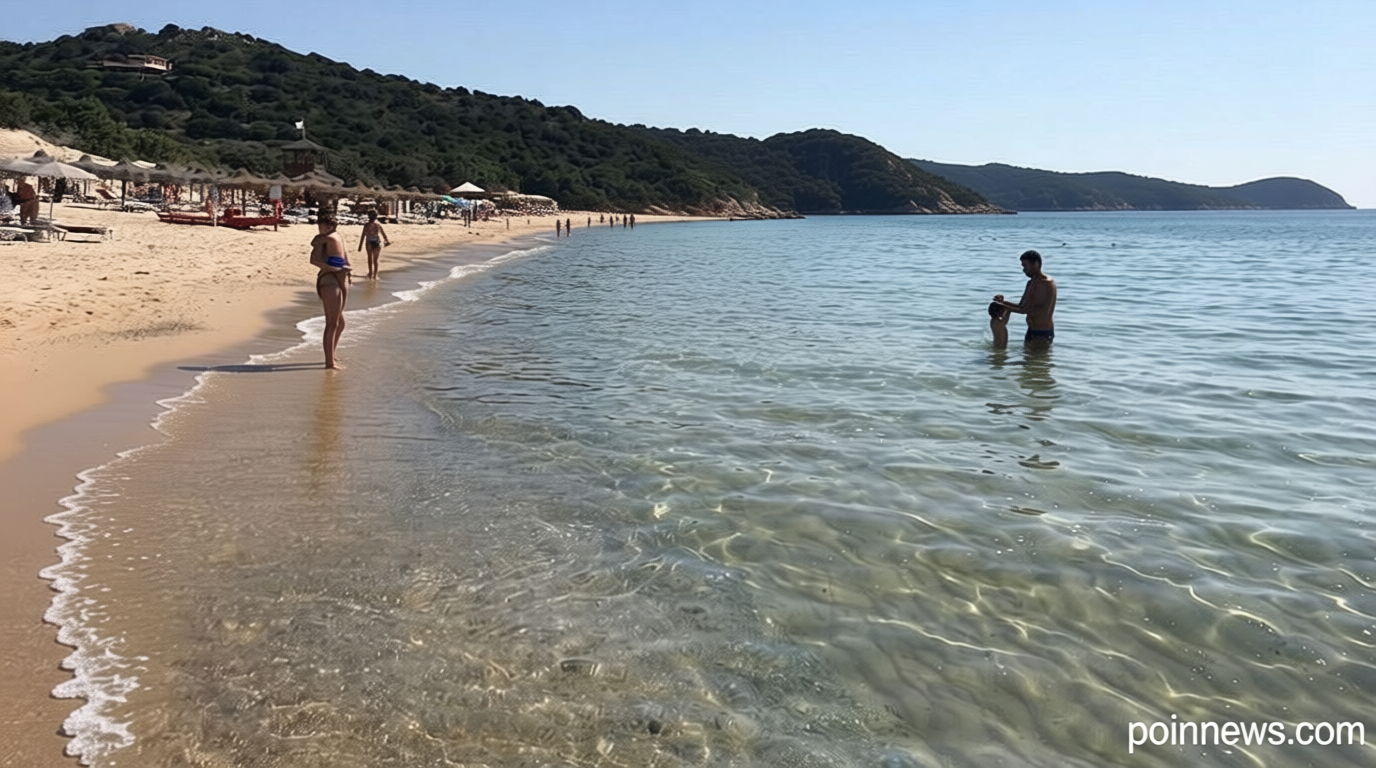
Table of Contents
Tavolara Glamping: Italian Government Revokes Special Economic Zone Approval in Sardinia
Poinews.com – The Italian government has officially revoked the special economic zone (ZES) approval for the Tavolara glamping project in northeastern Sardinia, marking a significant setback for plans to develop the area into a luxury resort. This decision comes after mounting pressure from local communities, environmental activists, and concerned stakeholders who argued the project would compromise the region’s natural beauty and ecological balance. With the green light now withdrawn, the Tavolara glamping initiative faces renewed challenges, underscoring a growing resistance to rapid coastal development in Sardinia.
Project Overview and Controversy
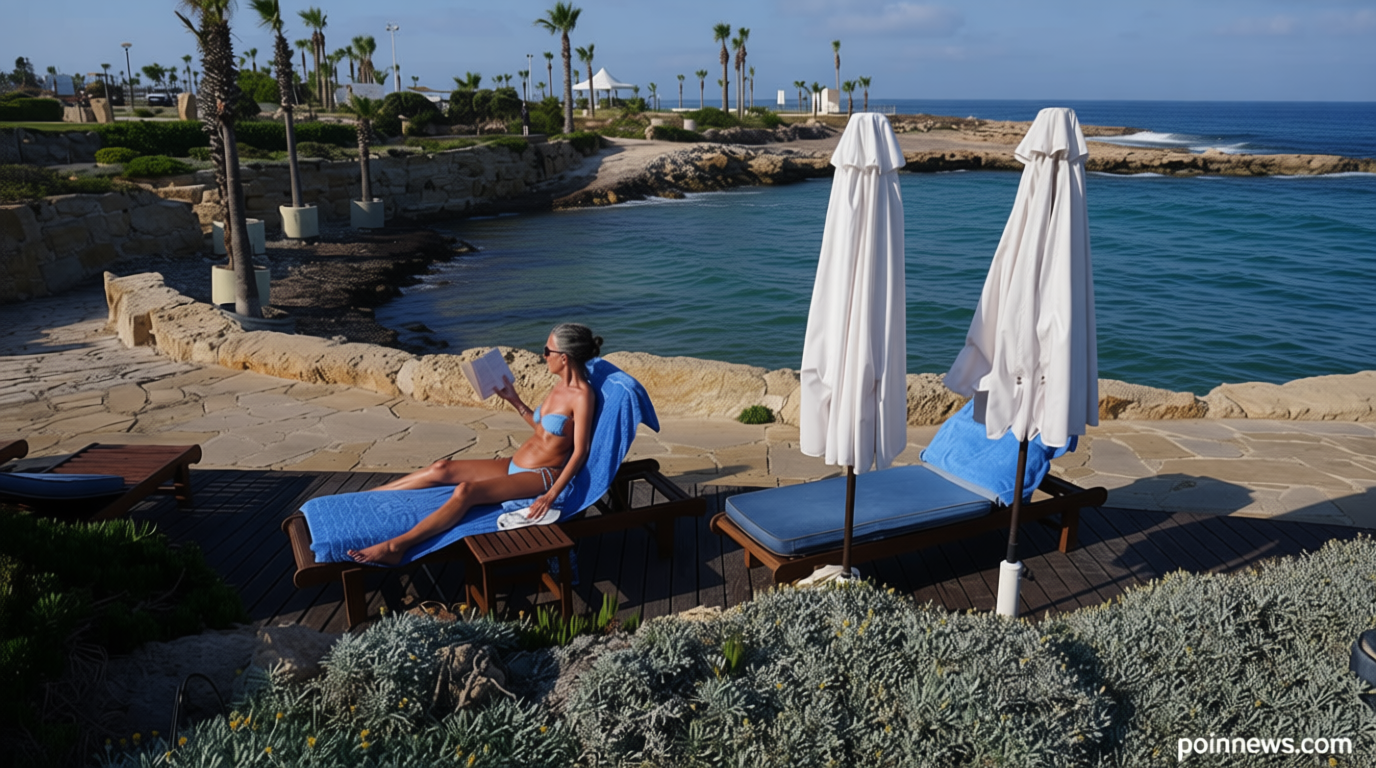
The Tavolara glamping project, initially approved in February 2026, aimed to transform the coastal region of Cala Finanza into a high-end tourist destination. Located just 20 kilometers south of Porto Rotondo, the site, which lies opposite the island of Tavolara, was set to feature 20 temporary cabins and a renovated villa, offering a blend of luxury and nature-based experiences. However, the approval sparked widespread debate, with critics fearing it would lead to overdevelopment similar to the controversial resort in Albania, where environmental concerns and community backlash had previously emerged.
Proponents of the Tavolara glamping project argued that it would boost local tourism and create jobs, aligning with Sardinia’s economic goals. They highlighted the site’s strategic location and its potential to attract eco-conscious travelers seeking unique accommodations. Yet, opponents painted a different picture, emphasizing that the project’s rapid approval bypassed crucial environmental assessments and threatened the delicate marine ecosystem of the area. This tension has now culminated in the government’s decision to revoke the ZES designation, effectively halting the project’s progress.
Legal and Environmental Challenges
The revocation of the ZES approval was triggered by the regional government’s intervention, led by President Alessandra Todde, who contested the initial decision. The case was appealed to the regional administrative court (TAR), with hearings scheduled for July 8. Todde has indicated that if the court upholds the revocation, the dispute may escalate to the Constitutional Court, highlighting the political and legal complexities surrounding the Tavolara glamping initiative. The 2006 regional law, enacted by former president Renato Soru, plays a central role in the controversy, as it mandates that construction projects must maintain a 300-meter buffer from the coastline to protect the environment.
The Tavolara glamping site, which is designated as a marine protected zone, was targeted for development under simplified ZES procedures. These procedures, designed to expedite approvals for economic projects, allowed the Brazilian company JHSF to proceed without full environmental impact assessments. Critics, including the WWF, Legambiente, and Italia Nostra, argue that this approach undermines Sardinia’s commitment to sustainable tourism. “The Tavolara glamping project represents a risky precedent for coastal development in Sardinia,” stated a spokesperson for the environmental coalition, emphasizing the need for stricter regulations to safeguard the region’s natural heritage.
Community Response and Broader Implications
Local residents and environmental advocates had long opposed the Tavolara glamping project, fearing its impact on the area’s tranquility and biodiversity. Protests and public rallies were organized to voice concerns, with participants highlighting the potential for noise pollution, habitat destruction, and the erosion of traditional Sardinian lifestyles. Mayor Francesco Lai, who spearheaded the revocation of the ZES authorizations, reiterated the significance of the decision in a public statement: “This affair must be a lesson. For everyone. For investors, first and foremost: Sardinia is not up for grabs.” His remarks reflect a broader sentiment among communities who see the Tavolara glamping project as a symbol of unchecked commercialization.
The revocation of the ZES approval for Tavolara glamping signals a shift in the Italian government’s approach to coastal development. With the project now stalled, the decision may influence future approvals for similar initiatives in Sardinia and other regions. Environmentalists welcome the move, calling it a victory for preserving natural landscapes. However, they caution that the outcome of this case will depend on the legal process, which could take months to resolve. “This is a critical moment for Sardinia’s ecological policies,” said a local environmental lawyer, adding that the Tavolara glamping controversy has reignited discussions about the balance between tourism and conservation.
“This affair must be a lesson. For everyone. For investors, first and foremost: Sardinia is not up for grabs.”
The Tavolara glamping project has become a focal point for debates about sustainable tourism in Sardinia. While the government’s revocation of the ZES approval halts immediate development, it also raises questions about the role of simplified procedures in fast-tracking luxury resort projects. As the legal battle continues, the Tavolara glamping case may set a precedent for future projects, ensuring stricter scrutiny of their environmental and social impacts. For now, the coastal area remains untouched, preserving its natural charm and serving as a reminder of the importance of community and environmental voices in shaping Sardinia’s future.