Plovdiv travel guide: How to spend 48 hours in Europe’s oldest continuously inhabited city
Plovdiv Travel Guide: 48 Hours in Europe’s Oldest City Plovdiv travel guide - Looking for a Plovdiv travel guide?

Plovdiv Travel Guide: 48 Hours in Europe’s Oldest City
Poinews.com – Looking for a Plovdiv travel guide? This Bulgarian gem, recognized as Europe’s oldest continuously inhabited city, offers a unique blend of ancient history, architectural marvels, and cultural vibrancy. In just two days, visitors can explore its Roman amphitheatre, Ottoman-era streets, and UNESCO-listed Old Town, all while discovering hidden gems that showcase its timeless charm. Whether you’re a history enthusiast or a curious traveler, Plovdiv has something for everyone, ensuring an unforgettable 48-hour adventure.
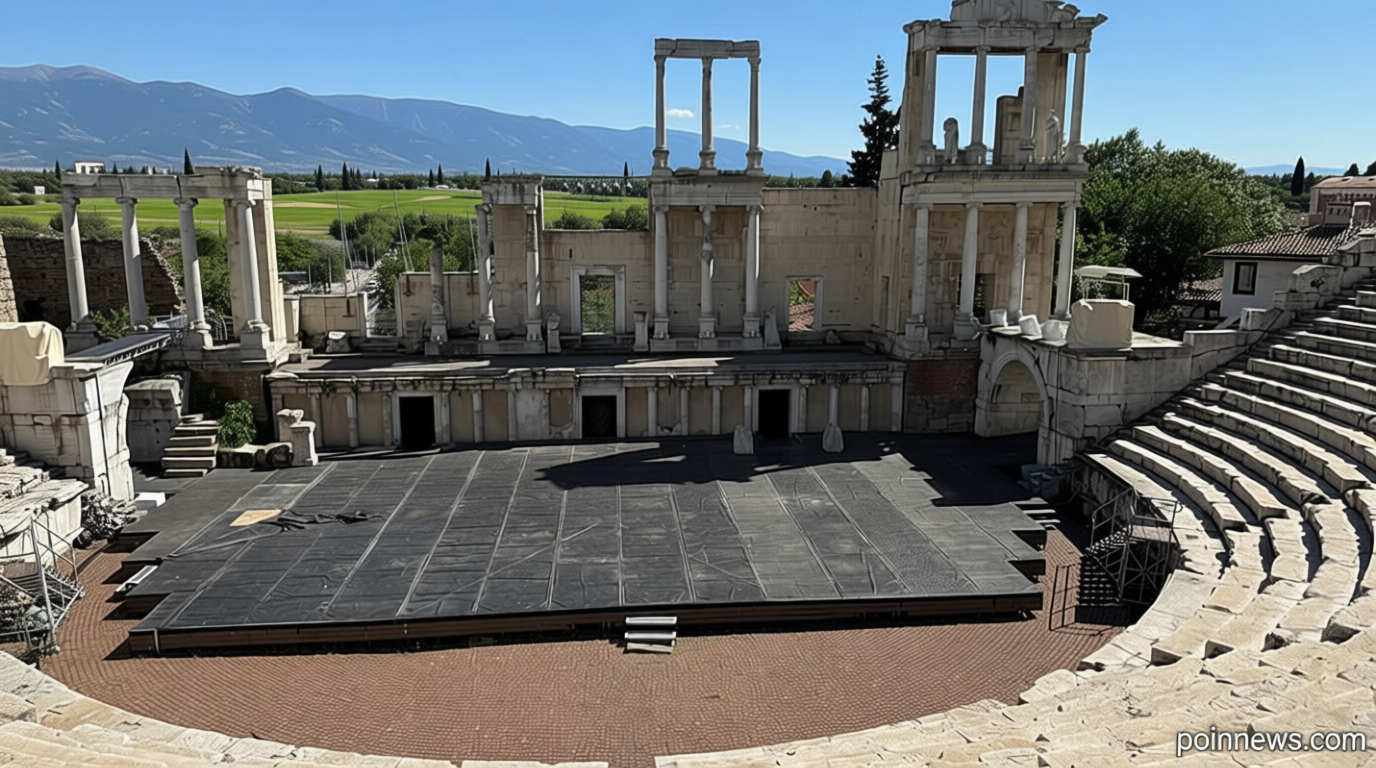
With roots tracing back over 6,000 years, Plovdiv has witnessed the rise and fall of empires, from Thracian tribes to the Roman Empire and the Ottoman Empire. Its Roman theatre, a UNESCO World Heritage site, remains one of the best-preserved ancient amphitheatres in Europe. The city’s designation as a Eurovision host in 2027 will further cement its status as a destination that bridges the past and present. For those seeking a Plovdiv travel guide, this city is a must-visit, offering rich historical layers and modern appeal.
Exploring Plovdiv’s Roman Heritage
Plovdiv’s Roman legacy is deeply embedded in its landscape, with the city’s ancient stadium and theatre serving as enduring symbols of its historical significance. Built in the 1st century AD, the stadium once hosted gladiatorial contests and athletic events for thousands of spectators. Today, its remnants are part of the city’s central pedestrian walkway, offering a glimpse into its ancient past. The Roman theatre, also a key attraction, is a marvel of engineering and design, with its well-preserved structure drawing history buffs and casual tourists alike.
“Plovdiv’s Roman ruins are a window into Europe’s ancient soul,” remarked a local historian during a guided tour, emphasizing the city’s rare preservation. The Roman theatre, for instance, is one of the few in Europe that retains its original layout, making it a standout feature in any Plovdiv travel guide.
Among the city’s Roman sites, the statue of Milyo Ludia, a 19th-century eccentric, adds a quirky touch. Located in the Old Town, the statue’s polished knees are said to bring luck in love, a tradition that locals still honor. This blend of historical depth and playful folklore makes Plovdiv a fascinating destination for travelers eager to uncover its layered stories.
Unveiling Ottoman and Bulgarian Architectural Fusion
The Ottoman era left an indelible mark on Plovdiv, with the Djumaya Mosque and other structures reflecting a unique synthesis of Byzantine, Ottoman, and Bulgarian influences. Constructed in the 15th century, the mosque’s intricate brickwork and carved wooden elements highlight the city’s multicultural heritage. The Old Town, where this architectural blend is most evident, is a UNESCO tentative World Heritage site, home to centuries-old buildings like the Nedkovich and Stambolyan houses, which feature ornate facades and traditional Bulgarian Revival styles.
Modern Plovdiv seamlessly integrates its historical roots with contemporary experiences. The city’s vibrant cultural scene includes festivals like the Opera Open, which transforms the ancient theatre into a hub for music and performance. For those following a Plovdiv travel guide, the mix of old-world charm and modern energy ensures a dynamic exploration of both past and present. The city’s pedestrian-friendly streets and historic sites make it easy to navigate, even for first-time visitors.
Don’t miss the opportunity to experience Plovdiv’s rich tapestry of history and culture. Whether you’re wandering through its Roman ruins, admiring Ottoman architecture, or enjoying the city’s modern amenities, a Plovdiv travel guide will help you make the most of your two-day visit. The city’s blend of ancient and modern attractions makes it a hidden treasure in Europe, waiting to be discovered.