80 vials of fentanyl stolen from Rome hospital, enough for 20,000 doses
80 Vials of Fentanyl Stolen from Rome Hospital, Enough for 20,000 Doses 80 vials of fentanyl stolen - On June 24, Italian authorities confirmed the theft of

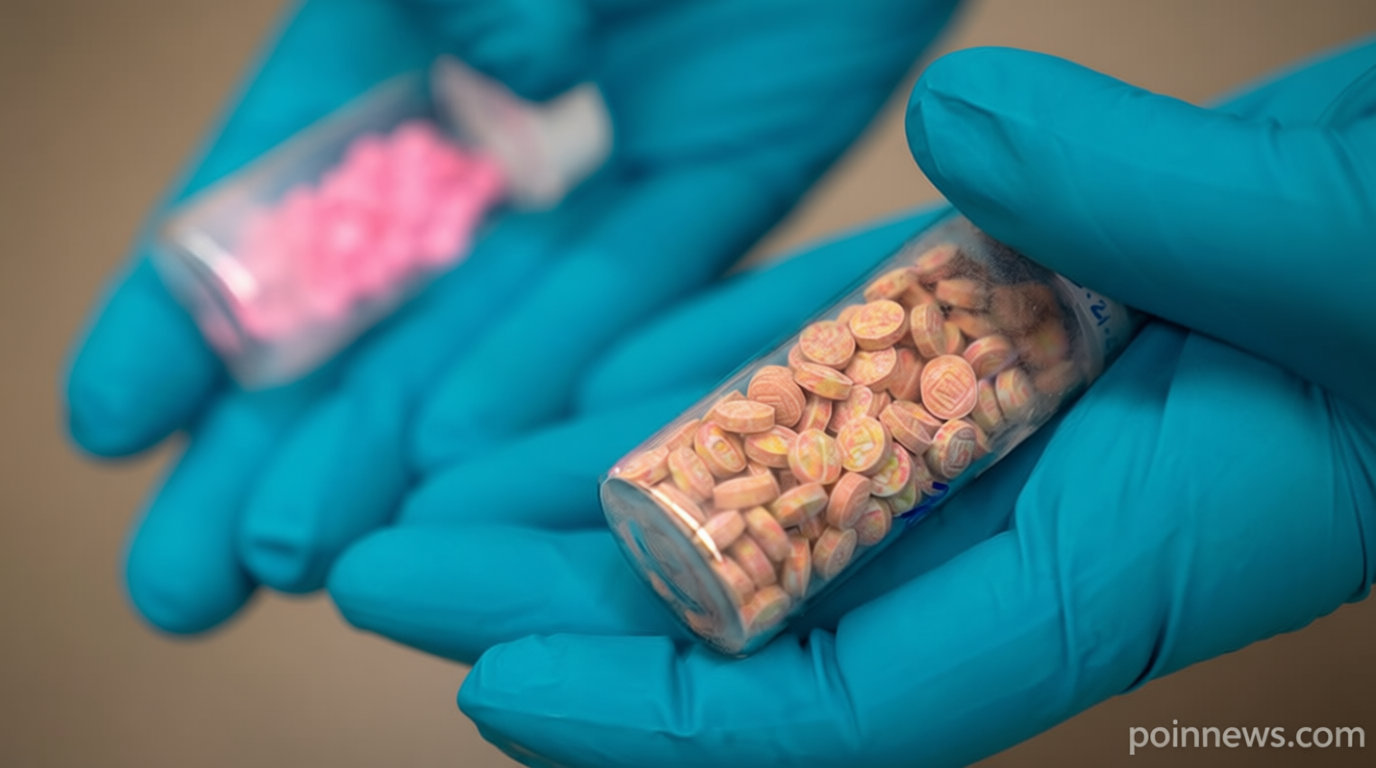
80 Vials of Fentanyl Stolen from Rome Hospital, Enough for 20,000 Doses
Poinews.com – On June 24, Italian authorities confirmed the theft of 80 vials of fentanyl from the Israelitic Hospital in Rome, a significant incident that has raised alarms about the security of high-risk medications. The stolen vials, containing a potent synthetic opioid, could be used to produce up to 20,000 illicit doses, highlighting the potential for widespread harm if the drugs fall into the wrong hands. This event has underscored the urgent need for stricter measures to prevent the misuse of fentanyl, which has already claimed thousands of lives in the United States and Canada.
The Mystery Behind the Theft
The theft occurred from a secure storage area at the hospital, with no signs of forced entry detected. This has left investigators puzzled, as the vials were reportedly stored in a location accessible to multiple staff members, each holding a key. The absence of physical damage to the storage room suggests the thieves may have had insider knowledge of the hospital’s operations. Rome’s prosecutors have launched a formal investigation, with the case now under review by the criminal court of the capital. Authorities are examining security protocols and monitoring systems to determine how the theft went unnoticed.
The Carabinieri’s Narcotics Squad (NAS) is leading the investigation, focusing on potential links to organized crime or individuals intent on supplying fentanyl to the black market. Investigators are also reviewing surveillance footage and interviewing hospital staff to piece together the timeline of the incident. The theft has sparked a broader discussion about the vulnerabilities in medical facilities’ drug storage systems, particularly in regions where fentanyl is widely used for pain management and anaesthesia.
The Impact of the Theft
Fentanyl, known for its extreme potency—up to 100 times stronger than morphine—has become a critical factor in the opioid crisis across Europe and North America. Just 3 milligrams of the drug, especially when combined with other substances like xylazine, can be lethal in a single dose. The stolen 80 vials from Rome represent a substantial supply, capable of contributing to a surge in overdoses, particularly in areas with limited access to naloxone or other overdose reversal treatments.
The incident has drawn attention to the risks associated with fentanyl’s dual use in both medical and illicit contexts. While it is an essential medication for patients with severe pain, its misuse has led to a dramatic increase in fatal overdoses. In Italy, the theft has intensified calls for a national strategy to combat the spread of synthetic opioids. The country’s Anti-Drugs Policy Department has already introduced a “National prevention plan against the improper use of fentanyl and other synthetic opioids,” a measure aimed at strengthening regulatory frameworks and public awareness.
Responses from Health Authorities
Following the theft, the Ministry of Health, led by Minister Schillaci, has initiated a comprehensive inspection of the hospital’s drug management procedures. The ministry is also drafting a new circular to enhance oversight of fentanyl storage and usage in medical facilities nationwide. This comes as part of a broader effort to mitigate the risks of fentanyl diversion, which has become a growing concern in Europe.
Meanwhile, the Lazio Region has ordered an urgent review of the hospital’s security practices, extending the scrutiny to other medical institutions in the area. Regional health officials are working to establish standardized protocols for handling narcotic substances, including improved inventory systems and staff training. The incident has also prompted a reevaluation of how Italy manages opioid distribution, with experts warning that the 80 vials stolen could serve as a catalyst for stricter regulations and better monitoring.
“This theft is a wake-up call for all healthcare providers to ensure rigorous procedures are in place to protect high-risk medications,” stated an official during a press briefing. The emphasis on procedural compliance has been a recurring theme in discussions about the 80 vials of fentanyl stolen, as authorities seek to prevent similar incidents in the future.
Broader Implications for Public Health
The theft of 80 vials of fentanyl has reignited debates about the balance between medical necessity and the dangers of misuse. Italy’s healthcare system, like many others, relies on fentanyl for critical treatments, but its accessibility has made it a target for illicit distribution. The 20,000 doses that could be produced from the stolen vials would be enough to fuel a significant portion of the country’s current opioid crisis, particularly in regions with high rates of addiction.
Public health officials are now urging increased vigilance, especially in light of recent trends in fentanyl-related deaths. The Italian National Institute of Health has called for greater collaboration between hospitals, law enforcement, and community organizations to address the issue. Additionally, the theft has highlighted the importance of international cooperation, as fentanyl trafficking often crosses borders, posing a threat to public health across Europe and beyond.
As the investigation continues, the 80 vials of fentanyl stolen from Rome will remain a focal point in discussions about drug security. The case serves as a reminder of the critical role that proper storage and monitoring play in preventing the opioid crisis from escalating further. With the stolen vials now a symbol of the vulnerability in medical systems, authorities are under pressure to implement effective measures that safeguard both patients and communities from the harmful effects of synthetic opioids.