Green groups say EU-backed chemical alliance puts polluters first
Industry Advocates Push for Less Regulation in EU's Chemical Alliance Green groups say EU backed chemical - The European Union's newly formed Critical

Industry Advocates Push for Less Regulation in EU’s Chemical Alliance
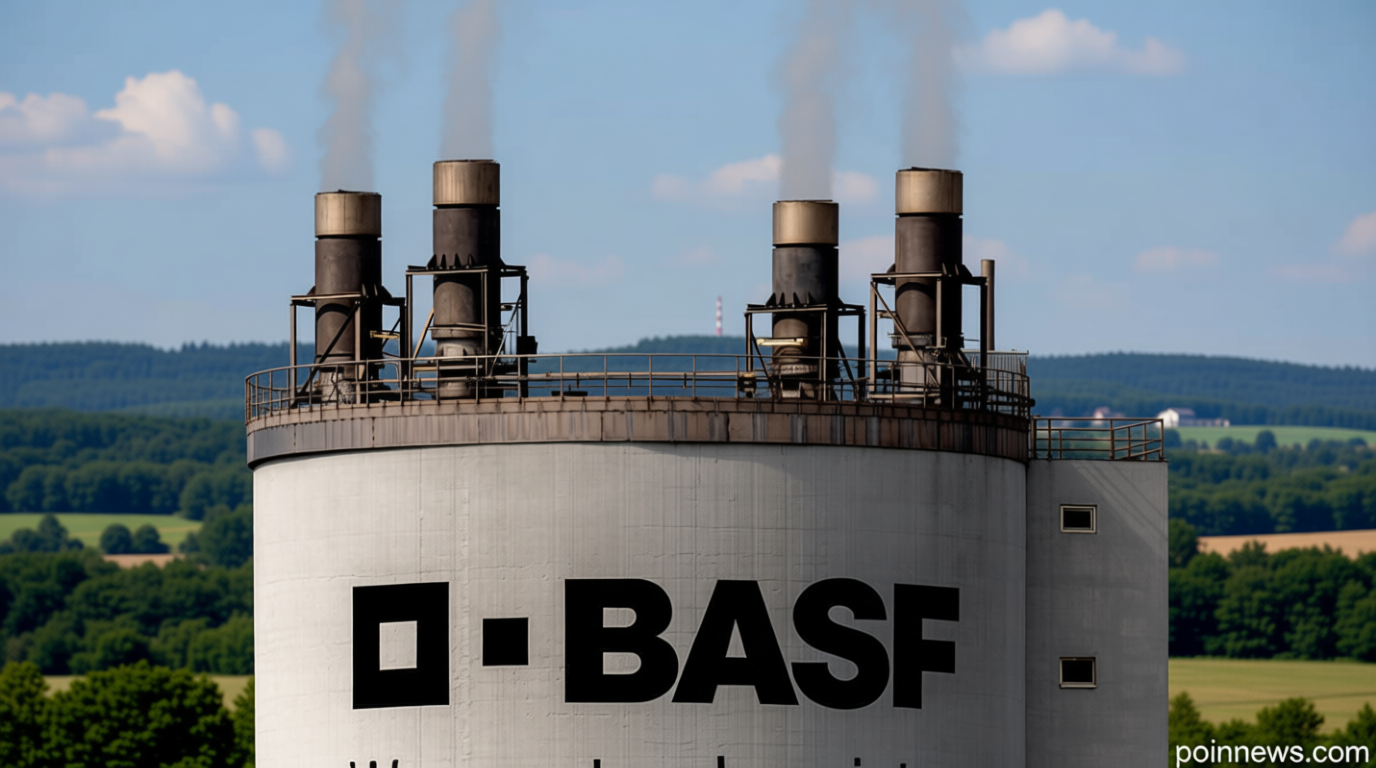
Poinews.com – The European Union’s newly formed Critical Chemicals Alliance (CCA), introduced as a strategy to address challenges in industrial resilience and economic competitiveness, has been criticized by environmental watchdogs for prioritizing corporate interests over public health. A report released by the Corporate Europe Observatory (CEO) and European Environmental Bureau (EEB) suggests the initiative is being used to advance deregulation and weaken pollution controls. Launched in January 2026 with the European Commission’s backing, the CCA includes major chemical producers such as BASF, TotalEnergies, and Avantium.
Industry Dominates the Agenda
According to the 30-page analysis, the CCA’s focus on “critical” chemicals and production sites is heavily influenced by the European Chemical Industry Council (CEFIC). The report highlights that the Commission’s industry department has shown little resistance to corporate dominance, allowing the alliance to shape policies in favor of manufacturers. “Since the CCA began, it’s evident that CEFIC is steering the process, with the Commission’s team seemingly indifferent to the risks of industry bias,” the report states.
“My impression, based on the way CEFIC presented things (…) the structure of the Steering Board and working groups, was that there must have been substantial preparatory work behind the scenes involving both DG GROW (Commission’s industry department) and CEFIC,” said Tatiana Santos, EEB’s head of chemicals policy. “My perception was that it was CEFIC running the show.”
The alliance has identified substances like benzene, chlorine, ethylene, and hydrofluoric acid—linked to “forever chemicals” such as PFAS—as critical for future public funding. However, the report disputes the claim that European chemical firms are in a dire financial situation, noting that they earned hundreds of billions in profits over the past decade, with much of it going to shareholders rather than reinvestment.
CEFIC’s influence is further underscored by its role in the Antwerp Declaration, a February 2026 initiative led by industry leaders to secure support for heavy sectors. The report argues that the CCA’s structure, with CEFIC representatives holding key positions, ensures that environmental concerns are sidelined. While the Commission formally chairs the alliance, industry actors control its priorities, governance, and technical work.
Environmental Priorities Overlooked
Key goals like reducing hazardous chemicals, shifting away from fossil fuels, and limiting plastic production have been deprioritized. Instead, the CCA emphasizes maintaining industrial capacity, securing investment, and promoting deregulation. The report also warns that climate measures, including carbon capture and some bio-based alternatives, may inadvertently sustain fossil fuel reliance rather than accelerate decarbonization.
Ultimately, the watchdogs argue that public funding for the chemical sector should be conditional on stronger safeguards and transparency. Without addressing conflicts of interest, they claim, the alliance risks entrenching a system that favors polluters over sustainability.